

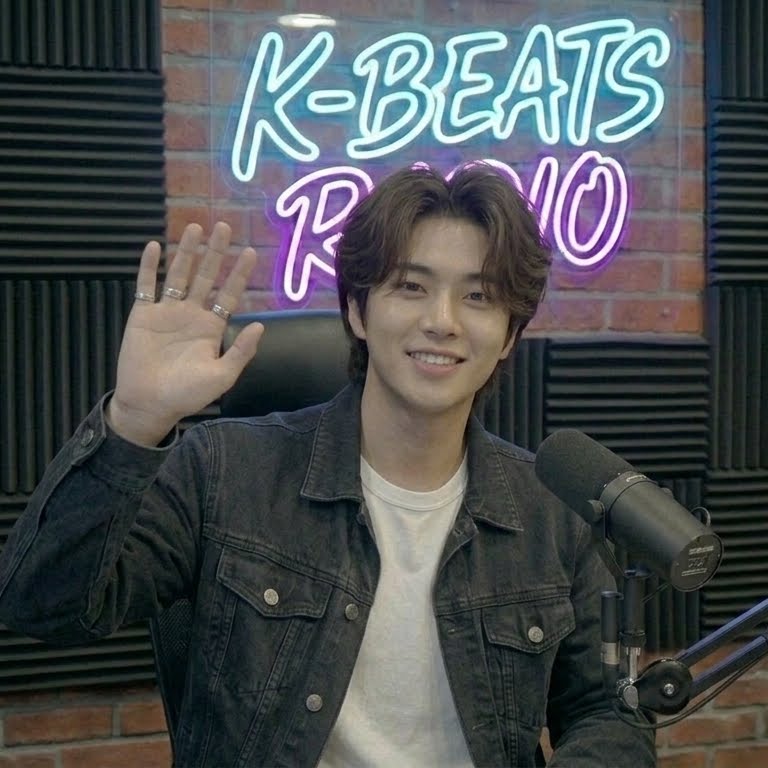
While K-Pop dominates global charts, a quiet revolution in J-Pop is producing sounds and strategies too innovative to ignore. This weekly analysis decodes the most noteworthy Japanese releases, revealing direct implications for K-Pop's fifth-gen evolution. We're tracking everything from hyper-niche genre splicing to radical fan engagement models that are poised to cross the Sea of Japan.
- What Exactly is Happening in J-Pop Right Now?
- Which 2026 J-Pop Trends Could Invade K-Pop Next?
- Virtual Idols & AI: Is J-Pop Winning the Future?
- How Does J-Pop's "Unit" Culture Differ From K-Pop's "Group" Focus?
- Case Study: Breaking Down a Standout Release
- FAQ: J-Pop's Influence on K-Pop
What Exactly is Happening in J-Pop Right Now?
The Japanese music scene in 2026 is characterized by a fearless deconstruction of its own formulas. While K-Pop refines its high-concept, performance-driven "cinematic universe" model, J-Pop is diving deep into hyper-specific sub-genres and decentralized artist development. The industry feels less monolithic and more like a thriving ecosystem of distinct musical villages.
The "Micro-Genre" Explosion
Forget broad labels like city-pop or J-rock. Current trends involve fusing genres like shamisen-core with DnB or idol-pop with math rock. This creates intensely loyal, niche fanbases. It's a contrast to K-Pop's strategy of incorporating global trends (like Jersey club or latin pop) into a cohesive group identity. J-Pop artists are often building a whole aesthetic around a single, bizarre fusion.
Indie Labels Driving Innovation
Major agencies still hold power, but the most sonically adventurous work is emerging from agile indie labels. These entities empower producers as auteurs, reminiscent of how K-Pop's H//PE Princess operates with curated, producer-driven projects. This shift challenges the top-down, A&R-heavy system that defines much of K-Pop.
Streaming-First Storytelling
With physical sales still strong, J-Pop is nonetheless mastering the album-as-experience on streaming platforms. This means intricate playlist curation, "secret" audio tracks only available after certain loop counts, and narrative arcs spread across singles. It's a level of digital-native lore that goes beyond K-Pop's standard video teaser campaigns.
Which 2026 J-Pop Trends Could Invade K-Pop Next?
Cultural exchange between Japan and Korea is a two-way street. The following J-Pop movements have the highest probability of seeping into fifth-gen K-Pop strategies within the next 12-18 months, potentially altering how groups are formed, music is composed, and fans are engaged.
The "Solo-Collective" Model
We're seeing the rise of solo artists who operate under a collective brand (e.g., "XYZ PROJECT") with a rotating cast of featured vocalists, producers, and visual artists. This offers narrative flexibility and endless refreshes without member change controversies. For K-Pop, this could influence how agencies handle sub-units or solo debuts, making them part of a larger, interconnected story rather than isolated endeavors.
Hyper-Localized Concepting
A new J-Pop group might base its entire concept on the folklore of a specific prefecture. This deep, location-specific storytelling fosters immense local pride before going national. K-Pop, which often uses broad "futuristic" or "retro" concepts, could adopt this for stronger regional marketing in key global cities, creating bespoke content for fans in Bangkok, São Paulo, or Berlin.

Fan-Directed Creative Branches
Some acts are releasing two versions of a single: a "producer's cut" and a "fan's cut," the latter voted on from demos. This level of creative ceding is risky but builds unprecedented loyalty. It's a more direct version of the fan service seen in idols showcasing their personal fandom, translating adoration into tangible creative input.
Virtual Idols & AI: Is J-Pop Winning the Future?
Japan's legacy with virtual icons like Hatsune Miku has evolved into a sophisticated ecosystem of AI-assisted and fully virtual performers. K-Pop has dabbled with aespa's æ and virtual concerts, but J-Pop is pushing the boundaries of what a "virtual idol" can be, testing waters K-Pop may soon have to navigate.
Beyond the Hologram: Narrative Integration
New J-Pop virtual idols aren't just performers; they are characters in ongoing, multi-platform narratives involving web comics, interactive story apps, and even episodic anime. Their "music" is one release channel within a larger story. This makes fandom about narrative investment as much as musical taste, a strategy more complex than K-Pop's prevailing "fictional universe" lore.
The AI Co-Writer Controversy
Several notable 2026 J-Pop credits list AI tools (e.g., "Lyric Assist: SONIC AI v.3") alongside human composers. The industry is publicly grappling with the ethics and artistry of this. K-Pop, no stranger to production innovation, is watching closely. The integration of AI in creative processes could become the next major industry debate, impacting everything from songwriter royalties to the authenticity fans crave.
Comparison: J-Pop vs. K-Pop Virtual Approaches
Aspect J-Pop Virtual Focus (2026) K-Pop Virtual Focus (2026) Primary Driver Narrative & Character Technology & Extension of Group Fan Interaction Story-based choices, collective world-building Concert experiences, SNS with "æ" versions Relation to Human Idols Often completely separate entities Direct digital counterparts (e.g., aespa's æ) Business Model Media mix (music, anime, games) Music & brand partnershipsHow Does J-Pop's "Unit" Culture Differ From K-Pop's "Group" Focus?
The structural philosophy of idol groups diverges significantly. K-Pop emphasizes fixed, meticulously trained groups with defined positions. J-Pop, while having such groups, has a stronger culture of temporary, project-based "units" that reshape the artistic landscape.
Project Units as Creative Playgrounds
It's common for members from rival J-Pop groups or even soloists from different genres to form a limited-time unit for a single or album. This lowers the stakes for experimentation and creates exciting, unexpected collaborations. K-Pop's inter-agency barriers make this rare, though the success of super-units like GOT the beat shows the appetite exists.
The Fluidity of Membership
In many J-Pop idol groups, especially those tied to theater troupes like the prolific 46/48 families, graduating and joining is a normalized part of the lifecycle. The "group" is a legacy brand. This contrasts sharply with K-Pop, where member changes are often traumatic events, as seen in the discourse around group performance and cohesion.
Implications for K-Pop's Fifth Generation
As fifth-gen K-Pop groups explore more individual member branding and solo activities, the line between "group" and "unit" may blur. We might see more official, agency-sanctioned sub-units with distinct sounds, or even short-term cross-group collaborations facilitated by larger conglomerates like HYBE or SM. This fluidity could be a key evolution, moving from rigid group identities to more flexible "artist collectives."
Case Study: Breaking Down a Standout Release
Let's apply this analysis to a hypothetical but representative standout release from this week's J-Pop round-up: "AmeNochiHaru" by unit PROJECT: KAMON.
The Concept & Sound
PROJECT: KAMON is a trio formed by a former idol, an anime composer, and an enka singer. Their single "AmeNochiHaru" ("Rain, Then Spring") fuses tropical house with traditional min'yō folk melodies. The production uses digital shamisen plucks as a percussive element underneath a four-on-the-floor beat. This isn't a mere sampling gimmick; it's a full fusion that demands the listener re-contextualize both genres.
The Marketing & Fan Engagement
The release was preceded by a "cultural decode" video series on YouTube, explaining the history of the min'yō scales used. Fans were challenged to create their own "modern folk" mixes using provided stems. The winning fan's elements were subtly integrated into the official instrumental released on our Charts page a week later. This turns passive listening into active, credited participation.
Why K-Pop A&R Teams Are Taking Note
This approach demonstrates a deep, respectful integration of cultural heritage with modern pop—a growing global demand. It also showcases a fan engagement model that goes beyond voting for music show wins. For a K-Pop industry keen on managing controversies and deepening global connection, this model offers a blueprint for collaborative, educational, and culturally rich promotion.
FAQ: J-Pop's Influence on K-Pop
Hasn't K-Pop always been influenced by J-Pop?
Yes, historically in areas like visual kei aesthetics, morning musume-style large groups, and the "idol" concept itself. The current influence is more nuanced, focusing on industry structure, niche genre creation, and digital-native storytelling rather than direct visual or musical mimicry.
Are K-Pop agencies actually looking at J-Pop for ideas?
Absolutely. Major agencies have dedicated trend-analysis teams in Japan. The focus isn't on copying hits, but on understanding shifting fan psychology, alternative revenue models (like the media mix), and methods for sustainable artist development outside the intense "debut-or-bust" K-Pop trainee system.
Could J-Pop's virtual idol success make K-Pop groups obsolete?
Unlikely. The human element of K-Pop—the relatability, the training journey, the real-time fan interaction—remains its core. However, virtual counterparts or AI-assisted production could become standard tools, much like autotune is today. The challenge will be balancing innovation with the authentic connection fans seek, a tension already visible in discussions about idol autonomy.
What's the biggest risk for K-Pop in ignoring J-Pop's evolution?
Complacency. While K-Pop leads globally, J-Pop's experimentation in a robust, domestic market acts as a risk-free R&D lab. Ignoring it means potentially missing the next wave of fan engagement or musical fusion that could resonate worldwide. It risks ceding innovative ground.
How can I, as a K-Pop fan, follow these J-Pop trends?
Start by following curated playlists that focus on "New J-Pop" or "J-Indie" on major streaming platforms. Follow niche music critics on social media who specialize in cross-border analysis. Check out our News page for future installments of this weekly analysis series, where we'll continue to connect the dots for you.
Conclusion & Your Next Step
The soundscape emerging from Japan in 2026 is not a rival to K-Pop, but a parallel universe of experimentation offering invaluable lessons. From the structure of artist units to the fusion of tradition with technology, J-Pop's current path highlights alternative ways to build longevity, fan loyalty, and artistic depth.
For the savvy K-Pop fan, understanding these trends provides a deeper lens through which to view your own favorite groups' future moves. It allows you to anticipate shifts in concept, sound, and fan interaction. The musical dialogue between Seoul and Tokyo has never been more critical. Keep listening closely—the next big idea in K-Pop might just be getting its first applause in Shibuya this week.
Your Next Step: Revisit a recent fifth-gen K-Pop comeback. Listen not just as a fan, but as a analyst. Can you detect any subtle influences—in production choices, marketing angles, or member flexibility—that might reflect the trends outlined here? The evolution is a conversation, and you're now part of it. For a deeper dive into the groups driving these changes, explore profiles on our Artists page.