
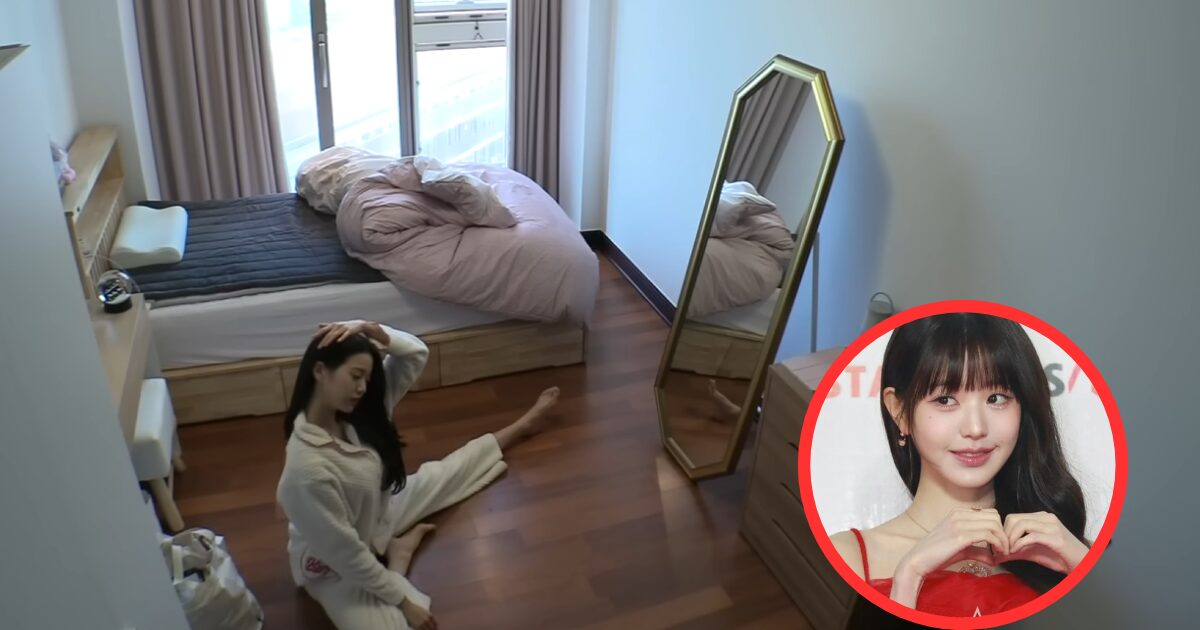
In an industry obsessed with next-gen luxury and public displays of success, one legendary girl group member's decision to remain in her company's dormitory long after her peers have moved into lavish private apartments has become a fascinating case study. This is not a story of stagnation, but a calculated, emotionally intelligent strategy for preserving mental health, creative community, and a priceless sense of identity in the volatile world of K-Pop. Her choice reveals the unspoken value of the dorm system beyond rookie years and offers a blueprint for sustainable longevity.
- The Core Question: Why Would She Stay?
- More Than a Bunk Bed: The Dorm as Symbol & Sanctuary
- A Soloist in a Group Ecosystem: Navigating the Industry Shift
- The Idol Housing Spectrum: From Dorms to Penthouses Frequently Asked Questions
- The Unconventional Path Forward
The Core Question: Why Would a Veteran Idol Stay in the Dorms?
The immediate assumption is financial. However, for a veteran from a top-tier group, money is rarely the primary factor. This choice is a multifaceted statement, weaving together practical needs, emotional anchors, and professional savvy.
Priority #1: Preserving the Creative Engine
For idols who transition into songwriting, producing, or mentoring, proximity to the company's creative nerve center is invaluable. The dorm is often a short walk from practice rooms, recording studios, and the company's A&R team. This seamless integration fosters spontaneous collaboration, a luxury lost when commuting from a distant, private home. As we explored in Beyond the Headline: How a 40-Year-Old Idol's Birth Announcement is Reshaping K-Pop's Timelines, the industry is redefining what a career "second act" looks like, and being embedded in the creative process is key.
Priority #2: The Ultimate Mental Health Buffer
The idol life, especially for a soloist, can be profoundly isolating. The dorm provides a built-in, low-pressure social network. Staff, managers, and junior artists create a familiar, protective environment that shields against the loneliness that can plague veterans. It's a stable home base in a notoriously unstable profession, offering routine and a sense of normalcy amidst chaos.
Priority #3: A Powerful Statement of Loyalty and Identity
Staying is a symbolic act. It signals to the company, fans, and fellow members an unwavering commitment to the group's legacy and the label's "family." In an era where contract renewals are public spectacles and label-hopping is common, this act of staying—literally in the house—becomes a powerful narrative of trust and belonging. It reinforces her identity as both an individual artist and a permanent pillar of the group's story.
More Than a Bunk Bed: The Dorm as Symbol & Sanctuary
To understand this choice, we must reframe what a "dorm" represents for a veteran. It evolves from a shared, cramped necessity into a curated personal and professional sanctuary.
From Shared Space to Sovereign Suite
It's highly unlikely she's sharing a room with rookies. In most large agencies, veteran residents are given private suites or entire floors. This transforms the dorm from a collective living quarter into a company-provided, fully-serviced apartment with unparalleled security and convenience. It's the best of both worlds: autonomy without the burdens of property management, maintenance, or public address exposure.
The Nostalgia Engine and Legacy Keeper
The physical space is a living museum of her journey. The walls have witnessed a decade of struggles, triumphs, and inside jokes. This environment can be a potent source of inspiration and grounding. For an artist mining her personal history for music, there is no richer archive. It also keeps her physically connected to the group's history, a tangible link that penthouses cannot replicate.

A Strategic Shield from Scrutiny
Living in a known, company-managed location with strict access control is a formidable barrier against sasaeng fans and intrusive media. Her privacy is guarded by layers of corporate security, a level of protection harder to orchestrate in a civilian apartment building. This allows for a more controlled private life, a commodity of immense value for any public figure.
A Soloist in a Group Ecosystem: Navigating the Industry Shift
This situation highlights the unique limbo experienced by active soloists from iconic groups. They operate within a complex duality, and the dorm becomes the physical manifestation of that balance.
Bridging the Generational Divide
Her presence in the dorm acts as a living bridge between generations. She becomes an informal mentor, offering guidance to rookies that is immediate and authentic. This strengthens the company's internal culture and ensures the group's legacy ethos is passed down. For the junior artists, having a sunbae of that stature as a neighbor is both a privilege and a constant masterclass in professionalism.
Maintaining Relevance in the Machine
Out of sight can sometimes mean out of mind in the fast-paced K-Pop industry. Residing within the company ecosystem ensures she remains a visible, active part of the daily conversation. She's present for impromptu meetings, can easily participate in company-wide projects, and her name naturally comes up during creative discussions. This embedded presence helps maintain her relevance within the agency's strategic planning, crucial for sustaining a solo career. Check our Artists page for more on how idols navigate solo and group careers.
The "We" vs. "I" Dilemma
Choosing the dorm is a conscious decision to prioritize the collective "we" of the group and company alongside her "I" as a soloist. It publicly acknowledges that her individual success is still intertwined with the ecosystem that built her. This stands in stark contrast to the narrative of the idol who must completely separate to individuate, offering a different model for artistic evolution.
The Idol Housing Spectrum: From Dorms to Penthouses
To fully appreciate this choice, let's contextualize it within the standard housing progression for successful idols. The path is not linear, and each stage offers different trade-offs between privacy, convenience, symbolism, and cost.
Housing Stage Typical Occupants Key Benefits Potential Drawbacks Symbolic Meaning The Starter Dorm Rookies, active groups Maximized bonding, 24/7 practice access, cost-effective, high security Zero privacy, cramped conditions, no personal space Unity, sacrifice, the "struggle" era The Veteran Suite (Our Case Study) Senior idols/soloists at original agency Privacy within community, creative proximity, security, legacy connection, operational ease Perceived lack of "moving on," still under company purview Loyalty, legacy, seamless career integration The Luxury Apartment Successful soloists, senior group members Total personal autonomy, luxury, clear work-life separation, public marker of success Isolation, logistical burden (security, commute), high cost Individual success, financial independence, maturity The Lavish Penthouse Top-tier stars, established actors/idols Ultimate status symbol, unparalleled luxury and space, investment asset Intense public and media scrutiny, massive financial commitment, potential for isolation Peak superstar status, monumental wealth, complete separation from "idol" systemAs this table shows, the "Veteran Suite" model strategically selects benefits from both the dorm and luxury apartment stages, avoiding the extremes of communal struggle and potentially isolating opulence. It's a bespoke, hybrid solution.
Frequently Asked Questions
Doesn't this mean she's not successful or can't afford her own place?
Absolutely not. For an idol from a legendary group, financial wealth is a given. This is a lifestyle and career choice, not an economic limitation. It reflects a prioritization of convenience, community, and creative access over traditional markers of material success.
Is this common among veteran idols?
It is rare but not unheard of, especially for prolific songwriter-idols or those deeply involved in their company's operations (e.g., mentoring, A&R). It's more common than the public realizes, as it's not something agencies typically publicize. The public narrative usually focuses on the luxury apartment purchase as the success story.
Could this create tension with newer, younger dormmates?
In a well-managed agency, clear boundaries and respect are established. The veteran would have completely private quarters. Her presence is more akin to a respected faculty member living on a university campus than a peer sharing a bathroom. It can actually reduce tension by providing a stabilizing, experienced presence.
Does this affect her ability to have a private dating life or personal relationships?
It requires more discretion, but company dorms for seniors are designed with separate, secure entrances. The assumption that dorms are for monitoring dating is a rookie-era concept. For a veteran, the company's role shifts from enforcement to facilitation of privacy. The security can actually be an asset in managing private comings and goings.
What happens when she eventually decides to leave?
Her departure from the dorm will be a significant, carefully managed moment—much like a contract renewal announcement. It will symbolize a new, definitive chapter, perhaps tied to marriage, a shift in creative direction, or founding her own agency. It will carry its own weighty narrative.
How do fans generally react to this news?
Initial reactions are often surprise or humorous memes. However, deeper analysis reveals that core fandom often views it positively. It's seen as an endearing quirk, a sign of her down-to-earth nature, and, most importantly, a powerful testament to her enduring bond with the group and its fans. It reinforces the authenticity that fans cherish. For more on deep fan-idol bonds, read Why a 10-Year-Old Girl Group's Fandom Name is the Ultimate Power Move.
The Unconventional Path Forward
The story of the idol who never left the dorm is far more than a quirky footnote. It is a radical, quietly subversive act in an industry built on visible progression and consumable symbols of wealth. She has redefined the dorm not as a launching pad to escape, but as a sustainable headquarters from which to command the second act of a groundbreaking career.
This choice challenges the linear "rookie to royalty" narrative, proposing instead a model of integrated, community-focused longevity. It prioritizes psychological well-being and creative fluidity over the solitary throne. In doing so, she has crafted a unique blueprint for how iconic idols can honor their past, optimize their present, and secure their future—all without packing a single box.
As K-Pop's landscape matures and more idols navigate decades-long careers, this model of "embedded stardom" may become a more considered option. It represents a mature understanding that true success isn't just about what you own, but about the ecosystem you cultivate and the legacy you choose to inhabit, quite literally, every single day. For more insights into the evolving pressures and choices idols face, explore our analysis on When The Mirror Cracks: Decoding an Idol's "I'm Fine" and keep up with the latest shifts on our News page.