
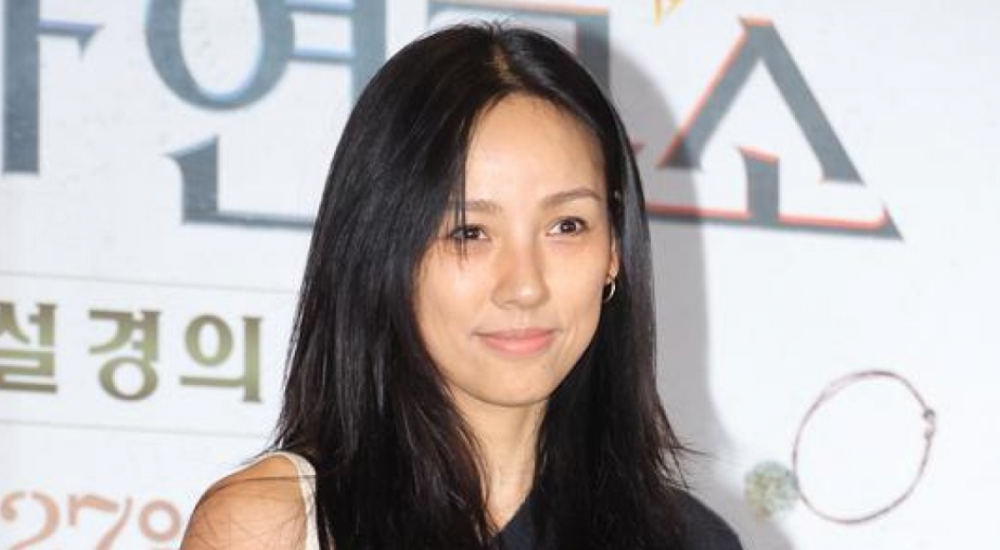
The news of Lee Hyori's father's passing on April 12th, confirmed by her agency Antenna, is a profound moment of personal loss for the iconic artist. This event transcends typical celebrity news, serving as a poignant lens through which to examine Hyori's unparalleled career, the seismic shifts in industry culture since her debut, and the evolving, more empathetic nature of modern K-pop fandoms. It underscores the fragile human reality behind the glamorous facade.
Table of Contents
- Who was Lee Hyori's father, and what did he mean to her public persona?
- How does this moment contrast with the industry Hyori first revolutionized?
- Why is Antenna's handling of the news significant in today's media landscape?
- What can the fan and industry response tell us about modern K-pop culture?
- How might this personal chapter influence Lee Hyori's artistic future?
- Frequently Asked Questions
Who was Lee Hyori's father, and what did he mean to her public persona?
While Lee Hyori fiercely guarded her family's privacy, the threads of her father's influence are woven subtly throughout her narrative. He was not a public figure, but his presence was a grounding force for an idol who constantly defied gravity.
The Foundation Behind the "Bad Girl" Image
Hyori’s archetype was the confident, rebellious "sexy queen." However, in rare, unguarded moments, she hinted at a traditional family upbringing that valued stability. Her father represented that anchor—a connection to a normal life far removed from the blinding lights of TV stages and photoshoots. Her journey from Fin.K.L to solo superstardom was marked by immense pressure; her family home was likely a crucial sanctuary.
A Touchstone for Authenticity
In her later years, especially post-marriage and through shows like ‘Hyori’s Homestay,’ Lee Hyori consciously crafted an image of rustic, simple living. This rejection of Seoul's high-speed celebrity culture was a public search for roots and authenticity. That journey is intrinsically linked to family and origin. Her father's passing touches the very core of that authentic self she has shared with the public.
The Unseen Support System
For any first-generation idol like Hyori, the path was uncharted and grueling. The support system wasn't a team of 50 agency staff but often immediate family. His support was part of the invisible infrastructure that allowed her to take massive risks, like her groundbreaking solo transition with “10 Minutes,” which permanently altered the female soloist landscape in K-pop.
How does this moment contrast with the industry Hyori first revolutionized?
Lee Hyori debuted in an era of controlled imagery and scant personal disclosure. Today’s loss highlights how dramatically the rules of engagement between stars, media, and fans have transformed.
The 1990s-2000s: Fortressed Privacy
When Fin.K.L. topped charts, an idol’s family life was strictly off-limits, protected by agencies and a media ecosystem that, while invasive in some ways, maintained certain formal boundaries. Personal tragedy was often reported with sterile brevity, if at all. The focus remained relentlessly on the crafted persona. Hyori navigated this era’s extreme scrutiny on her own terms, but the framework was rigid.
The Social Media Era: Blurred Lines
Contemporary idols operate in a world of voluntary, curated sharing. We see glimpses of family via birthday posts or rare variety show mentions. This makes a loss feel more proximate to fans, even if they never knew the individual. The outpouring of support on platforms like Weverse or X is immediate and global, a phenomenon nonexistent in Hyori's early peak. For a current perspective on intense fan engagement, our analysis of BTS's 12th win for "SWIM" details this modern dynamic.

The Agency Role: From Gatekeeper to Compassionate Conduit
Antenna's brief, respectful confirmation reflects a modern approach: acknowledging reality to quell speculation while explicitly requesting privacy. This balances public interest with human dignity. In the past, information might have been suppressed or released through opaque, impersonal channels. This shift indicates a maturation in how the industry views the artist's humanity.
Why is Antenna's handling of the news significant in today's media landscape?
Antenna, led by Yoo Hee-yeol, is known for its artist-centric, familial atmosphere. Their response to this situation is a case study in modern, ethical celebrity communications.
Clarity Over Secrecy
By confirming the news directly, Antenna prevented a vacuum that would be filled by rumor and invasive speculation. This proactive transparency, though painful, is a best practice that respects both the artist's reality and the public's connection to her. It treats fans as a community worthy of a difficult truth.
The Privacy Plea as a Unified Front
The agency’s request for private mourning is not just a statement; it's a directive to the media and a guideline for fans. It frames the narrative, making intrusive behavior a violation of a clearly stated wish. This empowers respectful media outlets and fans to align their actions with support.
Setting a Precedent for Empathy
In a fast-churning news cycle where tragic events can become mere content, Antenna's sober, factual statement forces a moment of pause. It subtly signals to the industry that this is not a "story" to be mined but a human event to be acknowledged with dignity. This ethos is reflective of a broader trend seen in how top agencies manage both triumphs and trials, much like the strategic legacy building discussed in "The ARIRANG Effect" on BTS's UK legacy.
What can the fan and industry response tell us about modern K-pop culture?
The collective reaction to this personal loss is a diagnostic tool for the current state of K-pop's heart and mind.
The Maturation of Fandom Empathy
The dominant response across social media and fan communities has been one of solemn respect and condolences. This marks a distance from earlier, more possessive fan cultures. Modern multigenerational fans of Hyori—from 1st gen stans to new fans discovering her via YouTube—are demonstrating that support extends beyond albums and votes to honoring an artist's humanity. Explore the diverse artist landscape that these fans engage with on our Artists page.
Cross-Generational Solidarity Among Artists
Expect private messages and private support from peers across generations, from Uhm Jung-hwa to Hwasa and younger idols who see Hyori as a blueprint. This internal industry network of care, often invisible, is a vital support system. It shows a professional community that recognizes its shared vulnerabilities, beyond the competitive fray highlighted in pieces like April's Brand Battle.
Media's Evolving Role
Respectful coverage that focuses on Hyori's legacy and the cultural moment, rather than intrusive details, indicates a shift towards more conscientious journalism within the K-pop ecosystem. It acknowledges that the audience's expectations have evolved—they demand empathy, not just exploitation.
Era Typical Agency Response to Personal Tragedy Primary Fan Reaction Channel Media Narrative Focus 1st/2nd Gen (Hyori's Debut) Minimal or delayed statement; high walls of privacy. Fan cafe boards; offline letters; limited public expression. Often speculative; focused on impact on schedules and career. Current Era (2024+) Swift, direct confirmation with a privacy request (as seen with Antenna). Global social media floods; organized digital condolence projects. More likely to contextualize within legacy and human interest; calls for respect.How might this personal chapter influence Lee Hyori's artistic future?
While speculation is secondary to her need for peace, Hyori’s art has always been a reflection of her life’s seasons. This profound experience will inevitably become part of her creative soil.
A Potential Pivot in Artistic Tone
Hyori's recent music, like "HOUSE" or "SEOM," has explored themes of home, nature, and contentment. A loss of this magnitude could deepen this exploration into more raw, introspective territory—perhaps examining memory, lineage, and the very concept of roots. Her signature playful confidence might integrate a new layer of poignant wisdom.
The Role of Creative Hiatus and Return
True to her non-conformist nature, Hyori has never been bound by rigid comeback schedules. This moment validates her self-directed pace. When she returns, it will be on her own terms, likely with a perspective further refined by grief and reflection. Her process stands in contrast to the intense, quarterly comeback cycles driving much of today's industry, such as the recent surges by new artists we cover on our Charts page.
Legacy Reinforcement Through Vulnerability
Hyori’s legacy is built on authenticity. Sharing this human experience, whether directly or filtered through art, could strengthen her connection with the public in a new, more vulnerable way. It reaffirms that her "retreat" to Jeju was never an escape, but a pursuit of life's real textures—which include loss as well as joy.
Frequently Asked Questions
Has Lee Hyori publicly spoken about her father before?
Yes, though sparingly and with great protection of his privacy. She has mentioned her family in interviews over the years, often referencing them as a normal, stabilizing foundation in her whirlwind life. She has never commercially exploited her family relationships for content, aligning with her values of authenticity.
How are other celebrities and the industry likely responding?
Privately. Expect an outpouring of private condolences from peers across generations in the entertainment industry—from her Fin.K.L members and fellow first-gen legends to younger artists she has mentored or inspired. Public statements may be few, as the most respectful response often aligns with the family's wish for privacy.
Will this affect her upcoming activities or variety show appearances?
Undoubtedly, all immediate activities will be respectfully postponed or adjusted. Agencies like Antenna are adept at managing such pauses. The duration will be entirely dictated by Hyori and her family's needs, not by external schedules. Fans should expect a quiet period.
How can international fans offer respectful support?
The most supportive action is to respect the request for privacy. Fans can express condolences in a unified, non-intrusive manner on designated community spaces, avoid spreading rumors or seeking additional details, and continue to celebrate her artistic legacy through her music and shows during this time.
Does this relate to the recent activity of other Antenna artists?
Antenna operates as a supportive community. While other artists like Yoo Hee-yeol, Kwon Jin-ah, or Jukjae will continue their schedules respectfully, the agency's focus will be on supporting its family. This is a reminder that labels are human ecosystems, not just corporate entities.
Where can I find respectful, updated news on this situation?
K-Beats, along with other reputable outlets, will provide any necessary public updates that respect the family's boundaries. For general K-pop news delivered with depth and integrity, monitor our dedicated News page.
Conclusion: A Moment of Reflection for an Industry
The passing of Lee Hyori's father is a somber reminder of the personal lives that persist behind the glittering K-pop edifice. It highlights the dignified evolution in how agencies handle personal crisis, the mature empathy of modern fandom, and the unbreakable link between an artist's lived experience and their authentic legacy. Hyori, a woman who has constantly redefined success on her own terms, now navigates the most universal of human experiences.
For fans and observers, the appropriate response is quiet respect—honoring her need for space while appreciating the profound artistry born from a full life, in all its chapters. This event doesn't just mark a personal loss; it holds up a mirror to how far K-pop culture has come in recognizing the humanity it is built upon. To understand the industry context she helped shape, delve into our analysis of current market shifts and artist strategies across our in-depth features.