
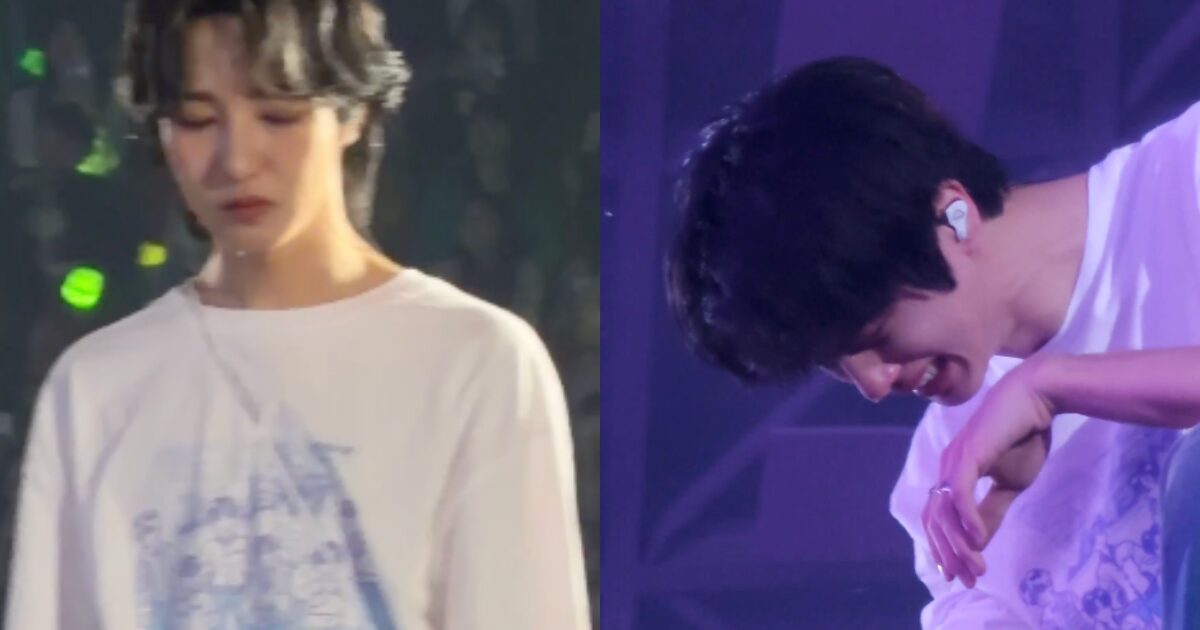

In the meticulously curated world of K-Pop, where narratives are often polished to a gleaming sheen, genuine moments of raw, unfiltered emotion become seismic events. This week, the industry’s foundation shook not from a chart-topping debut or a scandal, but from a simple, devastating sentence that spread like wildfire across fan communities: NCT Dream members were reportedly left sobbing following a pivotal, and apparently contentious, meeting with SM Entertainment higher-ups. While official statements remain conspicuously absent, the sheer weight of this "insider info," first reported by Koreaboo and now dissected on every platform from Weibo to TikTok, has ignited a firestorm of concern, speculation, and heartfelt solidarity. It points to a crisis point in the long-running saga of the group’s identity, their future, and the very nature of their bond with the company that created them.
The Dream That Defied a System: A History of Precedent and Resilience
To understand the gravity of this moment, one must first understand the unique and tumultuous journey of NCT Dream. Debuting in 2016 as the youthful, fresh-faced subunit of the expansive NCT universe, they were initially bound by a controversial "graduation system." Members were to leave the unit upon reaching Korean age 20, a concept that from the outset filled the fandom, known as NCTzens and specifically Dreamzens, with a deep-seated dread. The unit, consisting of Mark, Renjun, Jeno, Haechan, Jaemin, Chenle, and Jisung, quickly evolved beyond a simple rotational concept. Their chemistry was palpable, their success undeniable, with hits like "My First and Last" and "Go" cementing their status.
The first major test came with Mark's "graduation" in 2018. The emotional farewell stages and the group's subsequent period as a six-member unit were a painful proof-of-concept for the system's emotional cost. However, in a move that stunned the industry, SM Entertainment reversed course in 2020. Mark returned, and NCT Dream was reborn as a fixed, seven-member unit, a direct response to fan demand and, undoubtedly, the members' own desires. Their first full album Hot Sauce and its follow-up Glitch Mode were monumental successes, breaking records and proving that Dream as a cemented entity was not just sentimental but commercially brilliant. This history makes them a fascinating case study in fan-agency and corporate adaptation, a topic we explored in the context of renewal and identity in our coverage of ZEROBASEONE's re-branding as a five-member group.
The Viral Flashpoint: Decoding the "Sobbing" Meeting
The current crisis stems from alleged discussions regarding the members' individual contracts and the group's long-term roadmap. With several members approaching the end of their initial seven-year contracts (a standard timeframe in K-Pop), the negotiation period is a notoriously stressful and pivotal crossroads. According to the viral, unverified accounts from supposed industry insiders, the meeting in question was meant to outline SM's vision for the members' solo and unit activities moving forward.
The core of the disagreement, as pieced together from various fan community translations and speculative threads, appears to be a perceived misalignment between the company's logistical plans and the members' unwavering desire to preserve NCT Dream as their primary, central focus.
Sources suggest SM executives presented a timeline that would significantly compartmentalize the members into individual acting, variety, and solo music ventures—a common strategy to maximize a label's ROI from top artists. However, the narrative claims the Dream members, having fought so hard to stay together, viewed this proposed fragmentation as a direct threat to the unit's integrity and activity frequency. The emotional breakdown, described as "all members sobbing," reportedly occurred when it became clear that their collective voice and vision were hitting an immovable corporate wall.
The Weight of "7Dream" and Fandom Pressure
This isn't merely a business dispute; it's a clash over a sacred symbol. "7Dream" is not just a lineup for fans; it's a testament to overcoming institutional obstacles. The members themselves have consistently reinforced this identity, speaking of their bond as brotherly and irreplaceable. The potential for this hard-won unity to be diluted by sprawling solo schedules strikes at the heart of what makes the group special. Furthermore, the immense commercial power of the Dreamzens cannot be ignored. They are one of the most formidable fandoms in physical sales, consistently pushing Dream's albums to million-seller status. This leverage undoubtedly plays a role in the high-stakes tension, creating a scenario where the company must balance its expansionist goals against the risk of alienating its most powerful consumer base.
A Fandom in Anguish: From #StayWith7Dream to Collective Action
The fan reaction has been a powerful blend of heartbreak, fury, and mobilized support. Social media platforms are flooded with the hashtags #StayWith7Dream and #ProtectNCTDream, often trending worldwide. Emotional edits highlighting the group's journey from bright-eyed rookies to self-assured artists, set to their more poignant tracks, have gone viral. On community forums like Dear. U Bubble (the members' direct messaging platform) and Twitter, fans are sharing messages of unwavering support, urging the members to stay strong.
"We waited through the graduation system. We celebrated when they became fixed. We are not going to let this happen now," reads a typical, highly-liked post on X (formerly Twitter). The sentiment is one of protective defiance. Unlike typical fan complaints about styling or promotion, this feels existential. Fans are acutely aware that contract renewal periods have led to the disbandment or member losses in other major groups. Parallels are being drawn to other senior groups who faced similar crossroads, with many pointing to the sustained togetherness of groups like BTS as an aspirational model, a topic we've analyzed in depth regarding legacy and longevity on our Charts page.

- Financial Muscle-Flexing: Organized fan unions have begun strategizing, discussing the potential of suspending certain collective spending to demonstrate their economic influence, a tactic used by other fandoms during disputes.
- Trending for a Cause: The consistent worldwide trending of related hashtags is a clear signal to SM that international scrutiny is high.
- Emotional Appeals: A flood of handwritten letters and post-it-note campaigns are being organized to be sent to SM's headquarters, emphasizing the unique value of the 7-member synergy.
Industry Analysis: SM's Dilemma and a Shifting K-Pop Landscape
From an industry perspective, this situation highlights the perennial tension between the corporate machine and the artistic unit. SM Entertainment, a pioneer of the "idol system," is renowned for its long-term planning and structural control. The NCT concept itself is a testament to this. However, the 3rd and 4th generation of K-Pop have seen a marked shift towards artist agency. Idols are increasingly vocal about their creative input, and fandoms demand transparency and respect for artist well-being.
SM is at a strategic crossroads. On one hand, leveraging Dream's individual star power—Jaemin and Jeno's acting potential, Haechan and Renjun's vocal prowess, Mark's all-rounder status, Chenle's Chinese market appeal, and Jisung's performance genius—is a textbook way to build a diversified, resilient portfolio. On the other hand, fracturing the golden goose that is the cohesive NCT Dream unit risks damaging the very brand that gives those individual pursuits their launching pad. It’s a delicate balance between centralization and decentralization of brand equity.
"The loyalty of a group to its identity, and a fandom to that group, is an intangible asset that can be worth more than any short-term solo project. Companies are learning, sometimes painfully, that they cannot manage relationships with purely spreadsheet logic."
This incident also serves as a stark reminder of the human cost of the idol system. The reported image of seven young men in their early twenties, who have spent their entire adolescence together under the company's wing, breaking down in tears is a powerful indictment of the immense pressure they face. Their careers, friendships, and artistic identities are all on the line in these closed-door meetings. It echoes the personal struggles of identity beyond the idol facade, a theme poignantly explored in our article about former trainee Sia's journey of redefinition.
The Precedent of Senior Groups and Unit Stability
SM's own history offers mixed precedents. Groups like SHINee have maintained a strong group identity while successfully pursuing solo careers, but they operated under a different, less fragmented initial concept. The fate of subunits within larger franchises is often precarious. The challenge for SM is to architect a model where NCT Dream can function as a steady, frequently-comebacking unit while its members explore individual paths—a model that requires significant resource allocation and careful scheduling, a testament to true institutional commitment.
What's Next: Silence, Strategy, and the Power of Unity
In the immediate aftermath, expect a deafening official silence. SM Entertainment will likely not address the viral rumors directly, preferring to control the narrative through future official announcements regarding schedules or, eventually, contract renewals. The next move will be highly scrutinized: Will the next Dream release be a full-group album, or will a wave of solo project pre-announcements follow? The scheduling decisions over the next quarter will speak volumes.
The members themselves may offer subtle clues through their personal communications—Bubble messages, live broadcasts, or even lyrical content in future songs. Their power lies in their unity. If the seven members negotiate as a bloc, their bargaining position is strengthened immensely. The fandom's role is now to maintain disciplined, overwhelming support, proving that the commercial and cultural demand for 7Dream is not a passing trend but the bedrock of their success.
This moment, painful as it is, could ultimately redefine the relationship between NCT Dream and SM Entertainment. It could force the creation of a new, more collaborative model for managing elite groups within a mega-label. The dream is no longer one of youthful concepts; it's a dream of autonomy, respect, and enduring brotherhood in the demanding world of K-Pop. As the industry watches, the outcome will send a message far beyond one group or one company, speaking to the evolving balance of power in the modern idol era. For the latest on this and other developing stories, follow our continued coverage on our News page. The story of NCT Dream is still being written, and its next chapter may be its most defining yet.