
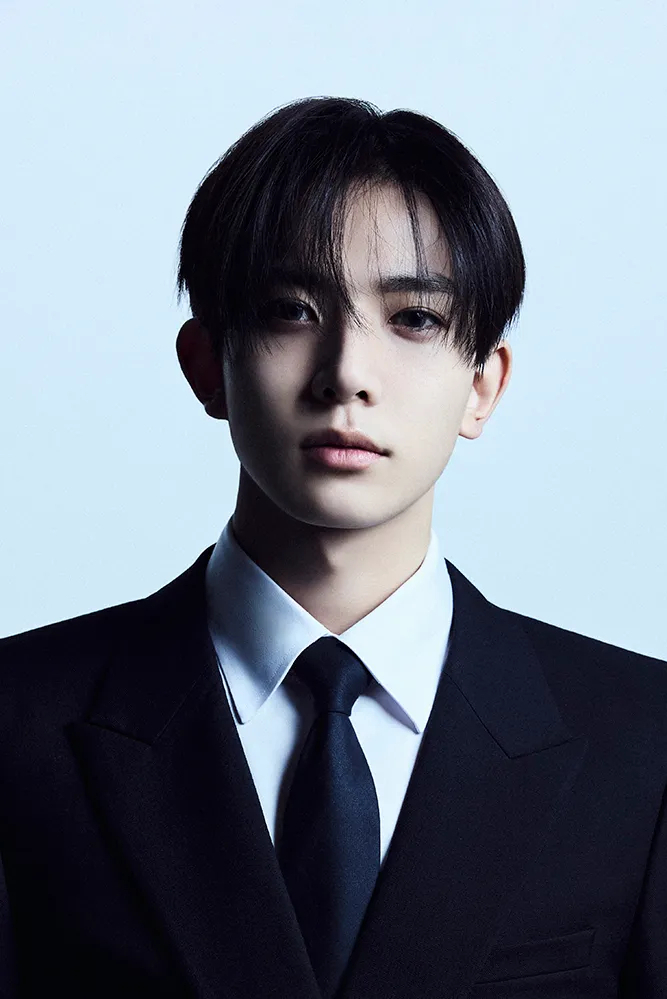

The world of K-Pop operates on a delicate, often unspoken contract between idol and fan: a promise of dedication, unity, and a shared journey toward an ever-higher peak. It’s a narrative of "forever" built into album concepts, fan songs, and heartfelt speeches. So, when a central member of one of the industry’s most prominent fourth-generation groups openly discusses the emotional weight of potentially leaving that very unit, it doesn’t just make headlines—it strikes at the foundational anxieties of the modern fandom ecosystem. This is precisely the seismic ripple caused by ENHYPEN's leader, Heeseung, whose recent, profoundly introspective remarks have ignited a firestorm of passionate defense, uneasy speculation, and necessary dialogue.
The Pillar of ENHYPEN: Heeseung's Journey from I-LAND to Icon
To understand the gravity of Heeseung's words, one must first appreciate his integral role within the ENHYPEN constellation. Debuting in November 2020 through the high-stakes survival show I-LAND, Heeseung was consistently positioned as the group's musical and performance cornerstone. From the very first episode, his talent was undeniable—a pristine vocal tone, sharp dance skills, and a mature stage presence that set him apart. He wasn't just a contestant; he was presented as the standard to beat, the "ace" whose trajectory seemed inextricably linked to the group's formation.
From Trainee to Leader
His journey, however, was not without its televised trials. The pressures of I-LAND laid bare the weight of expectation on his shoulders. Yet, he persevered, ultimately debuting as the oldest member and de facto leader of the seven-piece group under BELIFT LAB, a joint venture between HYBE and CJ ENM. Over the past four years, ENHYPEN’s ascent has been meteoric. They have cemented themselves as global touring powerhouses and chart dominators, recently contributing to the kind of industry-wide Billboard World Albums takeover that defines K-Pop's current global stranglehold. Throughout this breakneck rise, Heeseung has been the steady center: the main vocalist delivering high notes in title tracks like "Drunk-Dazed" and "Sweet Venom," a charismatic performer, and a reliable voice in interviews.
His identity has become synonymous with ENHYPEN's identity. This deep-seated connection is what made his recent candidness not just surprising, but profoundly moving for many fans, known as ENGENEs. It challenged the pristine, often one-dimensional image of unwavering contentment, introducing a layer of human complexity rarely given space in the tightly managed idol media circuit.
The Candid Confession: Dissecting Heeseung's Remarks
The comments in question originated from a lengthy, in-depth video interview for a popular YouTube channel, one known for fostering more personal conversations than standard promotional appearances. The discussion initially focused on creative process and upcoming group activities before steering into broader, more philosophical territory about life as an idol, personal growth, and the passage of time.
When asked about his greatest fears or challenges looking toward the future, Heeseung paused, carefully choosing his words. He spoke not of chart positions or awards, but of the emotional and psychological landscape of his career.
"There are days when I think very far ahead, to a time that isn't now. And I imagine… what if, one day, my path had to separate from the members? Not because of any conflict, but just… because life sometimes takes people in different directions for growth. Even the thought of that moment fills me with a sadness that is hard to describe. It’s like imagining a part of yourself walking away. We built this together, from nothing. We grew up here. The idea of not sharing that daily life, that stage, with Jay, Jake, Sunghoon, Sunoo, Jungwon, and Ni-ki… it’s a lonely thought I sometimes wrestle with."
He was quick to clarify that this was not an announcement, nor a reflection of current discord. He emphasized his love for the members and his dedication to ENHYPEN's present and immediate future. The context was purely hypothetical and introspective—a leader's preemptive grappling with the impermanence inherent in all things, even the most seemingly unbreakable bonds.
The Nuance Lost in Translation
As the interview clip spread across social media and news aggregators, the crucial nuance was often stripped away. Headlines, like the one from Koreaboo that initially amplified the story, frequently isolated the sentiment of "leaving" from its hypothetical, philosophical framing. This created an initial wave of shock and panic. However, a deeper dive into the full 40-minute conversation reveals a young artist engaging in a rare moment of public vulnerability, expressing a fear of loss that underscores the very depth of his attachment to the group. He was articulating the shadow side of profound love: the terror of its potential end. This distinction between "contemplating departure" and "fearing eventual separation" became the central fault line in the ensuing fan reaction.

The Fandom Fractures: ENGENEs Mount a Defense
The reaction from the ENGENE fandom was immediate, massive, and multifaceted. On platform X (formerly Twitter), the hashtags #HeeseungWeTrustYou and #AlwaysWithENHYPEN began trending globally within hours. The dominant sentiment was one of fierce protection and understanding.
"People are taking his beautiful, vulnerable heart and twisting it into a scandal. He was talking about a universal human fear, not making plans," wrote one fan with hundreds of thousands of likes. Another stated, "He's the leader. Of course he carries the weight of forever for all of them. The fact he's honest about that weight makes me respect him more, not less." Many ENGENEs flooded social media with video compilations of Heeseung's loving interactions with members, his passionate performances, and past speeches about ENHYPEN's longevity, framing his interview comments as proof of his deep commitment, not its absence.
A Vocal Minority and the "Betrayal" Narrative
However, a smaller but vocal segment of the audience expressed feelings of betrayal and anxiety. "Why even put that energy out there? It feels like he's preparing us for something," commented one user on an online forum. This perspective, while not representative of the majority, highlights the intense parasocial relationship in K-Pop, where idols' words are scrutinized as omens. For these fans, the mere articulation of a hypothetical separation was perceived as a crack in the facade, damaging the "fantasy" of eternal unity they invest in emotionally and financially. This tension mirrors conversations sparked by other idol media, such as the discourse around fan-taken photos and the pressure of perfection, where fan expectations clash with artist humanity.
The defensive mobilization by the majority of ENGENEs was swift. They organized coordinated streaming of ENHYPEN's discography, pushed supportive quotes to the top of search algorithms, and penned long, heartfelt letters thanking Heeseung for his honesty. They framed the controversy as a case of malicious editing and sensationalism, defending his right to complex thoughts without facing career repercussions. This incident underscores the fandom's role not just as consumers, but as active shields and interpreters of their idols' narratives, a dynamic visible across the industry on our Charts page where fan dedication directly translates to commercial success.
Industry Under a Microscope: The Pressure of "Forever"
Beyond the fan war, Heeseung's comments hold up a mirror to the K-Pop industry itself. The standard seven-year contract looms large over every group's story. While many groups like BTS and MAMAMOO have successfully renewed, the industry's history is also littered with groups that disbanded or saw members depart at that juncture. The unrelenting pressure—constant comebacks, world tours, variety appearances, and the 24/7 scrutiny of social media—creates a pressure cooker environment. Burnout, both physical and emotional, is a whispered reality.
Heeseung, as a leader, likely feels this pressure amplified. He carries the responsibility for his own career, the group's harmony, and the expectations of millions of fans. His hypothetical musings can be seen as a quiet acknowledgment of this unsustainable weight. Industry analysts suggest his honesty, rather than being a liability, could signal a shift toward a more transparent, mentally conscious era in K-Pop idol management. "It's a moment of radical humanity," says pop culture critic Park Ji-won. "We are so used to idols as content-producing entities that when one expresses a universal, melancholic thought about time and change, we malfunction as an audience. It doesn't mean ENHYPEN is ending; it means Heeseung is thinking, and that should be okay."
This incident also brings to mind the immense pressures faced by artists at all levels, from rookies to legends, and the complex relationship between their art and their audience's expectations—a theme explored in the fallout from large-scale events that impact communities. The career of an idol is a marathon, not a sprint, and Heeseung's comments are a poignant reminder of the emotional stamina required.
The Road Ahead: Unity Forged in Vulnerability
In the immediate wake of the interview, BELIFT LAB has issued no official statement—a silence many interpret as strategic, allowing the fan-led defense to run its course and avoiding giving the story more oxygen. The focus has publicly shifted back to ENHYPEN's packed schedule, including preparations for their upcoming Japanese dome tour and rumored album preparations for later this year.
Ultimately, the lasting impact of this episode may be profoundly positive for ENHYPEN's internal bond and their relationship with ENGENEs. By sharing a vulnerable fear, Heeseung may have inadvertently strengthened the trust between artist and fan. It transforms the relationship from a brittle fantasy of perfect harmony to a more resilient, realistic partnership that can acknowledge complexity. It echoes the artistic liberty found by other acts who have navigated changes, such as AKMU's new chapter post-YG, where artistic renewal came from embracing a new path.
A New Chapter of Honesty
Looking forward, Heeseung's moment of candor could pave the way for more authentic idol-fan interactions. It demonstrates that idols can harbor multidimensional thoughts about their careers and still be fully committed to their groups. For ENGENEs, the rallying cry in defense of their leader has likely solidified their community spirit. For the industry, it's a case study in how fandom ecosystems react to perceived threats to their narrative, and how that reaction can be powerful enough to reshape the story entirely.
The final note is one of continued momentum. ENHYPEN remains one of K-Pop's most active and successful groups, their story far from over. Heeseung, having voiced a deep-seated fear under the glare of the public eye, may now feel a measure of relief, having shared a burden. The group's journey continues, but perhaps on a slightly different footing—one where the promise isn't a fairy-tale "forever," but a deeply human "for as long as we can, together." This incident reminds us that the most compelling K-Pop stories aren't just about meteoric rises and chart domination, but about the individuals navigating the incredible, weighty reality of building a legacy. For the latest on how those legacies unfold, fans continue to turn to trusted sources like our News page for context and coverage.