
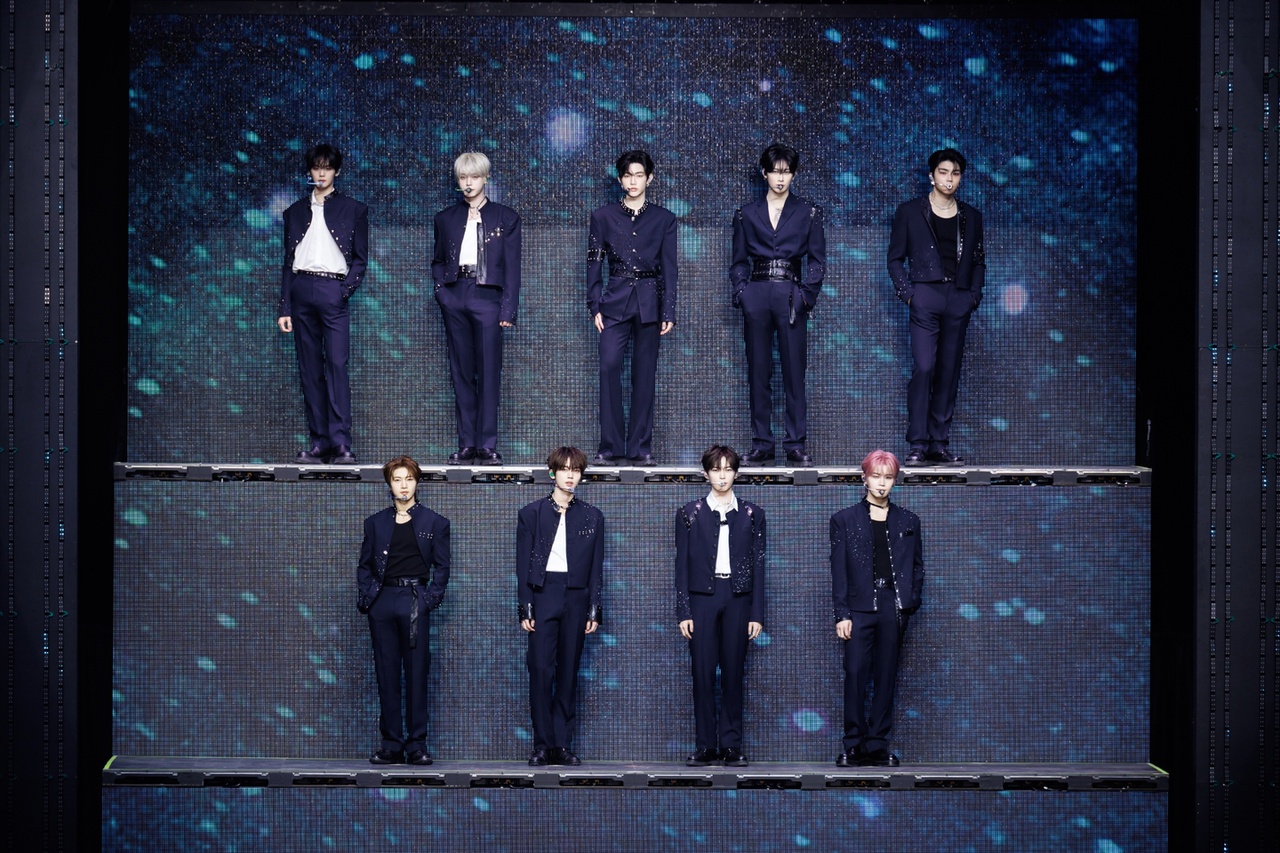

In his final scheduled act as a member of ZEROBASEONE, Kim Gyuvin chose not a grand speech, but a quiet, deliberate breach of protocol. Defying standard post-disbandment company rules, he engaged directly with fans one last time, turning a corporate curtain call into a raw moment of human connection. This single act transcends mere fan service; it is a potent case study in the evolving power dynamics of K-Pop, highlighting the tension between rigid corporate management and the authentic artist-fan relationships that fuel the industry. It forces us to question what an idol truly owes their agency, their fans, and themselves when the clock runs out.
- Why Did Gyuvin’s Final Act Cause Such a Stir?
- What Are The Unwritten Rules Idols Break For Fans?
- How Do Agencies Typically Manage The Post-Group Transition?
- What Does This Reveal About The ZEROBASEONE Experiment?
- Could This Signal a Shift in Post-Produce Group Culture?
- Gyuvin & ZB1 Fan Service FAQ
Why Did Gyuvin’s Final Act Cause Such a Stir?
In an industry built on meticulously controlled images and scheduled interactions, an unsanctioned, genuine moment stands out like a spotlight. Gyuvin's actions resonated because they were perceived not as rebellion, but as devotion—a prioritization of fan sentiment over corporate procedure at the most emotionally charged juncture of an idol's career: dissolution.
The Weight of a "Final" Moment
The psychology of an ending amplifies every gesture. For ZEROBASEONE fans, known as ZEROSE, the predetermined disbandment date cast a long shadow over all final activities. In this context, every fan sign, every broadcast, and every social media post was scrutinized for authentic emotion versus contractual obligation. Gyuvin's choice to bypass the typical radio silence that follows a group's end was read as a clear signal: his commitment to fans was the variable he controlled, not the agency's timeline.
Breaching the "Blackout Period" Protocol
Industry insiders often refer to a post-disbandment "blackout" or "cooling-off" period. This is when agencies actively limit an idol's public engagement to:
- Strategically redirect fan loyalty to the idol's next solo or unit venture.
- Manage the narrative and prevent emotional, off-message statements.
- Create market scarcity, heightening anticipation for the artist's re-debut.
By breaking this unspoken rule, Gyuvin momentarily shattered the corporate strategy, placing immediate fan gratitude ahead of calculated future planning. It was a reclamation of personal agency.
What Are The Unwritten Rules Idols Break For Fans?
Gyuvin's move is part of a long, hushed history of idols navigating the grey area between company policy and fan heart. These "breaches" are rarely malicious; they are often acts of profound gratitude that carry significant professional risk.
Common "Rule-Breaks" in the Idol Handbook
Beyond post-disbandment communication, idols have historically bent rules to maintain connection. These include:
- Unofficial Live Broadcasts: Going live on VLIVE or Instagram without prior company approval, often from dorms or during personal time, to share unfiltered thoughts.
- Gift Policy Violations: Accepting handmade or specific gifts that agencies forbid for safety or equity reasons, sometimes secretly showcasing them later.
- Secret Social Media Accounts: Maintaining private "fan-only" accounts to communicate more personally, a practice many idols have been caught and reprimanded for.
- Concert "Encore" Extensions: Ignoring strict curfews or noise ordinances to extend a concert's encore, personally absorbing potential fines or venue penalties.
The Calculated Risk & Agency Response
The consequence of these actions depends on the idol's stature and the agency's culture. A top-tier artist might receive a private warning, while a rookie could face suspension. The agency's public response is typically damage control—either framing it as a "misunderstanding" or, in rare cases like Gyuvin's, allowing the positive fan reaction to stand as its own justification, tacitly admitting the "rule" was out of step with fan expectations.
 Type of Rule-Break
Common Idol Motivation
Typical Agency Reaction
Fan Perception Outcome
Unofficial SNS Communication
Desire for authentic, unedited connection
Private reprimand; account monitoring
Increased loyalty; views idol as "genuine"
Post-Disbandment Contact
Closure, gratitude, honoring the shared journey
Strategic silence or retroactive approval
Deepened emotional bond; positive legacy sealing
Concert/Event Extensions
In-the-moment passion, responding to fan energy
Review of logistics costs; possible fines
Unforgettable core memory; idol as "generous"
Gift Policy Exception
Personal appreciation, avoiding fan disappointment
Possible confiscation; stricter enforcement
Sees idol as "caring" and "brave"
Type of Rule-Break
Common Idol Motivation
Typical Agency Reaction
Fan Perception Outcome
Unofficial SNS Communication
Desire for authentic, unedited connection
Private reprimand; account monitoring
Increased loyalty; views idol as "genuine"
Post-Disbandment Contact
Closure, gratitude, honoring the shared journey
Strategic silence or retroactive approval
Deepened emotional bond; positive legacy sealing
Concert/Event Extensions
In-the-moment passion, responding to fan energy
Review of logistics costs; possible fines
Unforgettable core memory; idol as "generous"
Gift Policy Exception
Personal appreciation, avoiding fan disappointment
Possible confiscation; stricter enforcement
Sees idol as "caring" and "brave"
How Do Agencies Typically Manage The Post-Group Transition?
The end of a project group like ZEROBASEONE is a high-stakes logistical and emotional operation. Agencies aren't just ending a team; they're migrating valuable human assets—and their dedicated fanbases—to new ventures.
The Standard Playbook: Containment & Migration
The standard post-disbandment strategy is a two-phase process: containment followed by controlled migration. First, agencies enforce a communications quiet period to let the initial emotional peak of disbandment subside. This prevents any chaotic, sentiment-driven narratives from taking root. Following this, they initiate a carefully sequenced rollout of new individual activities, often starting with the most popular members to pull the fandom forward. This is designed to transfer collective loyalty into smaller, manageable streams of support for solo careers.
Why Gyuvin's Act Disrupted the Cycle
By publicly connecting with fans immediately, Gyuvin disrupted the "containment" phase. He kept the collective, group-centric emotion alive and burning brightly at the very moment the strategy aimed to let it cool. This makes the migration phase more complex, as fans are reminded of the powerful group bond right before being asked to pivot. It demonstrates that the idol, as the human asset, holds significant power to influence the success of the corporate strategy through their personal choices.
What Does This Reveal About The ZEROBASEONE Experiment?
ZEROBASEONE was never meant to be forever. Born from the competition show Boys Planet, its expiration date was known from debut. This context makes every member and fan action part of a unique "legacy-building" race against time.
The Pressure of a Pre-Determined Legacy
Unlike groups with indefinite futures, ZB1's members operated under the intense pressure to cement their individual identities and fan connections within a tight window. Every album, variety appearance, and fan interaction was a brick in the personal legacy they would carry forward. Gyuvin's final act can be seen as the last, definitive brick he chose to lay himself—a marker of his personal brand as a fan-devoted artist, separate from the ZB1 brand.
Contrast with Other Project Group Farewells
History shows a spectrum. Some project groups like I.O.I had emotionally chaotic endings with visible member distress. Others, like Wanna One, executed a highly polished, media-blitzed farewell tour that felt grand yet tightly managed. Gyuvin's subtle, rule-bending gesture sits in a newer, more intimate realm. It suggests a generation of idols who, shaped by the direct fan voting that created them, feel a paramount duty to acknowledge that debt personally, even if it means gently testing agency boundaries. This focus on fan-powered creation echoes in the chart dynamics we analyzed in BTS Dethrones IVE's 15-Week Reign, where fan mobilization directly shapes the landscape.
Could This Signal a Shift in Post-Produce Group Culture?
Each generation of survival show groups learns from the last. The emotional fallout from earlier project group disbandments is now part of the industry's collective memory, influencing both fan expectations and idol behavior.
From Collective Grief to Individual Agency
The narrative is evolving from purely "the sad end of a family" to include "the courageous beginning of an individual's journey." Idols like Gyuvin are potentially asserting more control over that narrative's starting tone. By making a fan-centric final move, they are proactively shaping their post-group identity from day one, rather than waiting for the agency to define it. This mirrors a broader industry trend where artists are leveraging direct fan connection to forge their path, a theme evident in the concept pivot of groups like NEXZ with "Mmchk".
The Rising Value of "Authentic" Goodwill
In a saturated market, an idol's perceived authenticity is a critical currency. An act viewed as genuinely self-driven, rather than company-mandated, generates immense goodwill. This goodwill translates directly to the commercial viability of their next chapter. Agencies, while preferring control, may begin to see the strategic value in allowing—or even subtly orchestrating—the appearance of such "authentic" moments, as the long-term brand equity can outweigh the short-term disruption to protocol.
Gyuvin & ZB1 Fan Service FAQ
What exactly did Gyuvin do that broke rules?
While the exact action is kept respectfully vague in reports, it involved direct, unscheduled communication or acknowledgment of fans through personal or unofficial channels immediately following ZEROBASEONE's official disbandment activities. This typically violates standard operating procedures that mandate a clean break and a period of managed silence.
Could Gyuvin face penalties from his agency for this?
Given the overwhelmingly positive public and fan reaction, any penalty would likely be internal and minimal. The act has been widely framed as one of love, making public punishment a significant PR risk for the agency. The more probable outcome is a private discussion about protocol.
How have other ZB1 members said goodbye?
Other members have utilized scheduled, official platforms like final fan concerts, official letters on the group's forum, and pre-scheduled social media posts. Gyuvin's actions were notable for occurring outside these sanctioned, predictable avenues, adding an element of surprise and personal initiative.
Will this affect how fans support Gyuvin's future career?
Almost certainly. This moment has solidified a powerful "us against the world" narrative between Gyuvin and his core fandom. It creates a foundational story of loyalty that will motivate fans to vigorously support his solo debut, streaming, and chart efforts, much like the dedicated fandoms analyzed on our Charts page.
Is this kind of behavior becoming more common?
Yes, but in evolving ways. The rise of weverse, bubble, and other direct-to-fan platforms has blurred the line between official and unofficial communication. Idols are expected to be more personally accessible, which naturally leads to more moments that feel spontaneously genuine, even if partially within a managed system.
Where can I follow Gyuvin's next steps?
For confirmed news on Gyuvin's re-debut and all subsequent activities, fans should monitor his official agency's channels and his future official social media accounts. Keep an eye on our News page for the latest confirmed updates and analyses as his solo journey begins.
Conclusion: A Farewell That Redefines the Starting Line
Kim Gyuvin's final act as a ZEROBASEONE member was far more than a touching farewell. It was a subtle but significant power play that illuminated the core tensions in modern K-Pop. It highlighted the conflict between the corporate machinery that builds idols and the human hearts that sustain them. For fans, it was a gift of authentic connection. For the industry, it's a case study in how the very idols they manage are increasingly savvy about crafting their own narratives and leveraging their direct relationship with the audience—the true source of power in this ecosystem.
As Gyuvin and his members disperse to their respective agencies, they carry with them not just the memories of ZEROBASEONE, but the lessons of its end. The lesson here is clear: in the digital age, an idol's legacy and future are increasingly co-authored with their fans, sometimes in moments that break the script. To follow how these individual journeys unfold and impact the broader landscape, from bold solo concepts to new group dynamics, stay tuned to our Artists page for in-depth profiles and career tracking.