
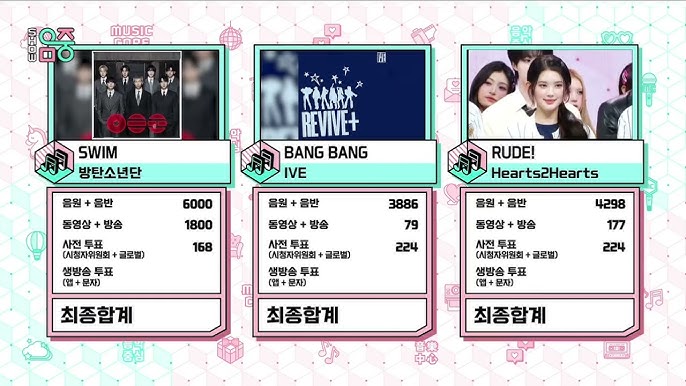

In a stunning chart reversal, BTS's emotive single "SWIM" has surged five places to claim the #1 spot on the Soompi K-Pop Music Chart, ending IVE's monumental 15-week dominance with "BANG BANG." This isn't just a routine change; it's a power shift signaling evolving listener trends, the enduring might of ARMY's strategic streaming, and a potential pivot in the musical mood of the industry. The victory highlights BTS's unique position in their chapter two, proving that even without a full-group promotional cycle, their artistic output commands chart-topping respect.
- Why Did "SWIM" Reach #1 Right Now?
- What Ended IVE's "BANG BANG" Dominance?
- "SWIM" vs. "BANG BANG": A Sonic & Thematic Breakdown
- Beyond Music: The Fandom & Ecosystem Impact
- What Does This Chart Change Signal for the 2026 Industry?
- Fan Questions Answered: The "SWIM" #1 FAQ
Why Did "SWIM" Reach #1 Right Now?
The ascent of "SWIM" to the pinnacle in early April 2026 is no accident. It's the culmination of a perfect storm of release strategy, accumulated sentiment, and cultural timing.
The "Slow Burn" Release Strategy
Unlike a typical explosive comeback single, "SWIM" was released as a standalone digital single mid-quarter. Without the frenzy of a full album campaign, its journey relied on organic word-of-mouth and deepening fan connection. This allowed the song to build momentum gradually, peaking as other high-energy releases cycled off playlists.
Accumulated Critical & Fan Acclaim
Initial reviews, including our own analysis of their prior single "Hooligan," praised the group's introspective "ARIRANG" era direction. "SWIM," as a softer counterpart, resonated deeply, earning sustained praise on music talk shows and critic circles. This long-tail acclaim translated into consistent streaming.
The Seasonal Emotional Resonance
April in Korea marks a transition—a time of reflection and new beginnings. "SWIM," with its themes of emotional buoyancy and perseverance, directly tapped into this collective mood. Its lyrical metaphor of staying afloat amidst turbulence struck a universal chord, making it a timely anthem.
What Ended IVE's "BANG BANG" Dominance?
IVE's "BANG BANG" wasn't just a hit; it was a cultural monolith, holding #1 for nearly four months. Its eventual step down is a testament to the natural lifecycle of even the biggest songs, not a failure.
The Inevitable Fatigue Factor
Every chart-topping track eventually faces listener fatigue. Fifteen weeks is an exceptional run in today's fast-paced streaming environment. The sheer longevity of "BANG BANG" means that even its dedicated fanbase, DIVEs, had naturally begun diversifying their playlists, creating space for a new contender.
Shift in Promotional Focus
IVE has likely shifted its promotional energy towards preparing for a follow-up release or overseas activities. Reduced focused promotion for "BANG BANG" allows chart algorithms to refresh, making room for songs with active, engaged listener bases like that of "SWIM."

The "Event" Effect of a BTS Return
A new #1 entry from a group of BTS's stature is an event in itself. It mobilizes not only ARMY but also casual listeners and the media to re-engage with the charts. This created a powerful, concentrated wave of streams and downloads that was sufficient to overcome the sustained but slightly diminished flow for "BANG BANG."
"SWIM" vs. "BANG BANG": A Sonic & Thematic Breakdown
The two songs represent opposing poles of the current K-Pop spectrum. Their chart succession highlights a possible listener craving for contrast.
Aspect BTS - "SWIM" IVE - "BANG BANG" Genre Core Indie Pop, Ambient Ballad Hyper-Pop, Electropunk Production Vibe Minimalist, watery synths, subdued rhythm Maximalist, distorted bass, explosive drops Lyrical Theme Introspection, emotional resilience, metaphor Confidence, rebellion, sonic explosion Vocal Delivery Breathy, intimate, conversational Powerful, chant-like, declarative Chart Dominance Style Slow-burn, organic climb Immediate explosive takeoverDecoding "SWIM's" Emotional Pull
"SWIM" succeeds through vulnerability. Its production avoids a climactic drop, instead building layers of atmospheric sound that mimic the feeling of submersion. The members' vocals are mixed intimately, as if whispering directly to the listener. This creates a deeply personal soundscape, a stark departure from the arena-ready anthems of their past.
The Legacy of "BANG BANG's" Sonic Assault
"BANG BANG" will be remembered as the track that pushed 4th-gen girl group sound into harder, noisier territories. Its success proved that audiences craved audacity. Its long reign set a new benchmark for chart stamina, challenging the notion that only mid-tempo or easy-listening tracks can have longevity on the charts.
Beyond Music: The Fandom & Ecosystem Impact
A BTS chart victory in 2026 operates within a unique ecosystem, distinct from their earlier, full-group heyday.
ARMY's Matured Streaming Strategy
ARMY's approach has evolved from mass-burst streaming to sustained, strategic support. For "SWIM," efforts focused on long-term playlist curation, keyword optimization, and encouraging organic discovery through social media challenges that fit the song's gentle mood. This demonstrates a fandom that can adapt its tactics to suit the artistic product.
The "Solo/Unit Effect" on Chart Mechanics
With members like Donghae also finding solo success (as seen in "Good Day"), the industry is acclimating to top-tier idols operating in new configurations. Charts now reflect the strength of an artist's brand beyond fixed group comebacks. BTS's name itself carries enough weight to propel member-driven projects to the top, redefining what a "comeback" means.
Media Narrative and Industry Perception
This #1 generates a powerful narrative: BTS remains unbeatable, even in new forms. It reinforces their status as industry pillars to younger agencies and artists. For HYBE, it validates the "chapter two" strategy, proving that artistic exploration and individual activities can coexist with massive commercial success.
What Does This Chart Change Signal for the 2026 Industry?
The takeover at the top is a microcosm of larger trends shaping K-Pop this year.
A Possible Swing Towards Introspection
Following the hyper-energetic, "noise music" trend of the last two years, "SWIM's" success might indicate a market opening for more subdued, emotionally complex music. This aligns with other successful releases, like JAJUNG's "Spring Shines So Bright," that favor warmth and melody over intensity.
The End of "Monolithic" Chart Runs?
While "BANG BANG" had a historic run, its end suggests that even the biggest hits may face more frequent challenges. The streaming landscape is becoming more fragmented, with diverse listener niches empowered. This could lead to more frequent #1 rotations, reflecting a healthier, more dynamic chart environment.
Artist Brand vs. Song Virality
This event underscores the supreme value of a solidified artist brand. "SWIM" is not a TikTok-viral snippet first; it's a BTS song first. Its victory shows that deep fan loyalty and trust in an artist's direction can outperform fleeting viral trends, a lesson for newer groups building their legacy. Explore the brands shaping the industry on our Artists page.
Fan Questions Answered: The "SWIM" #1 FAQ
Q: Does this mean BTS is having a "full group comeback" soon?
A: Not necessarily. "SWIM" is part of their ongoing individual and unit activities. This #1 demonstrates their power in this phase. A formal, full-group comeback would be a separate, large-scale event announced by HYBE.
Q: Is IVE's era considered a "flop" now because they lost #1?
A> Absolutely not. A 15-week run at #1 is a legendary achievement that most artists never approach. "BANG BANG" is one of the most defining hits of the decade. Chart succession is natural; it doesn't diminish the song's historic impact.
Q: How did "SWIM" outperform other new releases from active groups?
A> Its combination of BTS's unmatched fanbase scale and a song that appealed beyond that core base gave it a dual advantage. It drew in casual listeners seeking emotional depth while being backed by ARMY's organized support, a hard combination to beat.
Q: Will this affect HYBE's strategy with other groups like KATSEYE?
A> HYBE likely views these as separate lanes. BTS's success validates artistic freedom for established icons. For a global rookie like KATSEYE, the focus remains on building a foundational identity and fanbase. The strategies are tailored to each act's lifecycle.
Q: Can we expect more BTS members to pursue this musical direction?
A> The "ARIRANG" era, including "Hooligan" and "SWIM," suggests a strong group interest in more personal, sonically adventurous Korean-language material. While individual tastes will vary (as seen in members' solo work), this introspective, quality-focused direction seems to be a shared creative priority for their Korean releases.
Conclusion & What to Watch Next
The dethroning of "BANG BANG" by "SWIM" is more than a chart update; it's a narrative-rich moment that encapsulates the state of K-Pop in 2026. It highlights the enduring power of legacy artists to evolve and dominate, the natural cycle of even the most massive hits, and a potential shift in the sonic palate of the mainstream. It proves that the charts have room for both explosive anthems and quiet storms.
What's Next? All eyes should now be on how IVE responds—their next move will define the post-"BANG BANG" chapter. Simultaneously, watch if other top-tier artists are emboldened to release more minimalist, emotional singles. Finally, monitor the charts to see if "SWIM" can build a legacy of longevity or if this marks the beginning of a more volatile #1 seat. For the latest on these unfolding stories, keep your browser locked to K-Beats News.