
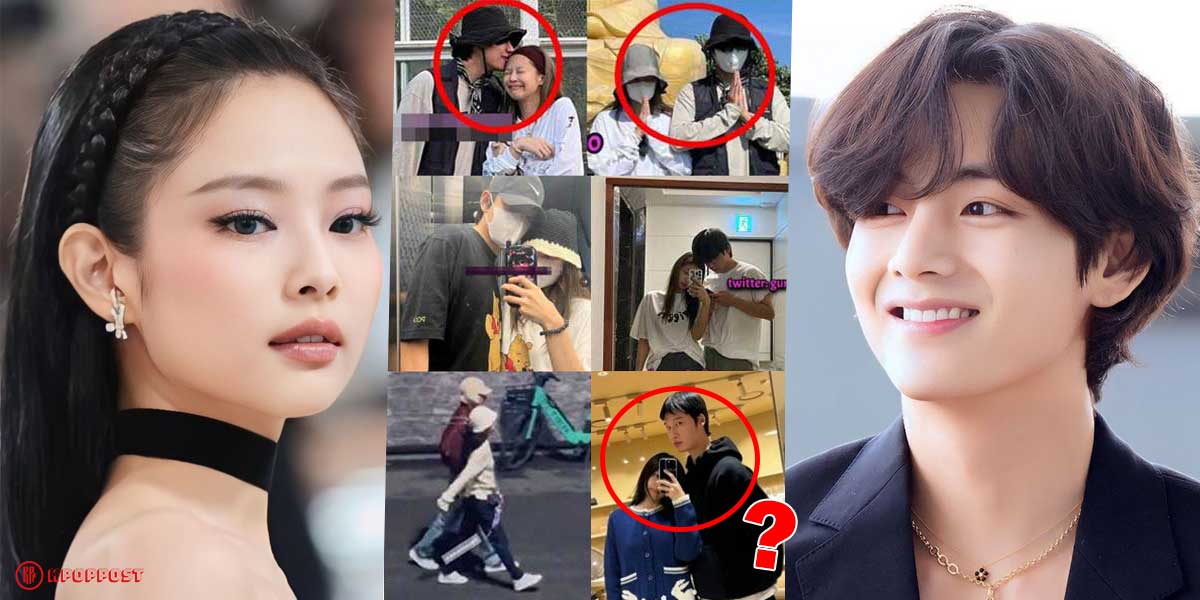
The digital landscape of K-pop fandom is a perpetual storm of excitement, devotion, and, too often, unverified information traveling at the speed of a click. This week, that storm turned into a targeted cyclone, as a single, fabricated piece of digital evidence spiraled out of control, ensnaring two of the world's biggest musical acts and their millions of fans. What began as a malicious attempt to tarnish the reputation of BLACKPINK's Jennie rapidly mutated into a widespread backlash against BTS and their devoted ARMY, showcasing the frightening power of deepfake-era misinformation and the volatile nature of inter-fandom relations in 2026.
For seasoned industry observers, the pattern was tragically familiar: a blurry screenshot emerges on a niche forum, gains traction through outrage, and detonates across Twitter, Instagram, and TikTok before the truth can put its shoes on. But the scale and velocity of this particular falsehood, and the unexpected direction of its fallout, have sparked a new conversation about accountability, platform responsibility, and the emotional toll exacted on artists and fans alike. This isn't just a story about a fake tweet; it's a case study in the modern mechanics of K-pop defamation.
A Legacy Under the Microscope: BLACKPINK, BTS, and the Weight of Expectation
To understand the magnitude of this incident, one must first appreciate the colossal platforms occupied by the artists involved. BLACKPINK, as global trendsetters and label executives navigating their post-renewal era, and BTS, as military-serving legends whose every past utterance is archived and analyzed, exist in a rarefied space of influence. Their fandoms, BLINK and ARMY, are not just fanbases; they are sophisticated, organized online communities capable of moving markets and dominating cultural conversations.
Both Jennie and the members of BTS have, for years, been subjected to intense scrutiny and periodic waves of malicious online activity. Jennie, in particular, has faced relentless and often gendered criticism throughout her career, from unfair scrutiny over her stage presence to baseless dating rumors. As we explored in our analysis of artist pressures following Kassy - The Late Regret, the emotional burden on idols in the digital age is immense. BTS, meanwhile, has historically been the target of coordinated hate campaigns, often stemming from competitive rivalries, which ARMY has learned to combat with diligent reporting and fact-checking networks.
This shared history of being in the crosshairs has, at times, created a paradoxical relationship between the two fandoms. While moments of solidarity occur, there is also an undercurrent of competition fueled by media narratives comparing achievements. This environment forms the perfect kindling for a single spark to start a wildfire.
Deconstructing the Digital Forgery
The incident began on the evening of April 9th, 2026. A screenshot, purportedly from a now-deleted Twitter (X) account, began circulating on the platform itself and on fan-centric forums like Instiz and Pann. The image appeared to show a tweet from an account named "@jennierubyjane_," a known impersonator account that has persistently mimicked Jennie's official style. The tweet contained a string of seemingly derogatory and dismissive comments about BTS's musical direction and their enlistment period.
"It's not surprising they've faded from the charts during service. The hype was always bigger than the substance. Time tells the real story."

The language was carefully crafted to be just plausible enough to incite fury—vague, catty, and aimed at the most sensitive points of ARMY pride: the group's artistic integrity and their current patriotic duty. Within an hour, the screenshot was stripped of its context. The impersonator handle was cropped out in many reposts, and the quote was widely attributed directly to Jennie herself. Hashtags vilifying the idol began trending in multiple countries.
The Forensic Flaws and the Swift Debunking
However, the fabrication was sloppy. Digital forensics specialists within the fandom, a common and crucial part of large fanbase communities, quickly went to work. They pointed out several irrefutable flaws:
- Font and UI Inconsistency: The Twitter interface in the screenshot did not match the current platform update, using a font and button design that was several iterations old.
- Metadata Mismatch: The timestamp used a timezone format not associated with Jennie's known locations.
- Historical Impossibility: The impersonator account @jennierubyjane_ had been suspended by Twitter for over eight months prior, making a new tweet impossible.
YG Entertainment, often criticized for slow responses, moved with uncharacteristic speed. Within four hours of the screenshot going viral, the agency released an official and stern statement:
"We confirm that the recently circulating comments attributed to our artist Jennie are completely fabricated and the result of a malicious digital forgery. The account in question is a long-suspended impersonator. We are taking immediate legal action against the originator and spreaders of this falsehood. We urge fans to rely on official channels for information."
This clear debunking, however, arrived after the emotional avalanche had already been triggered.
The Backlash Misdirection: When ARMY Became the Target
Here is where the narrative took its unexpected turn. As the evidence of the forgery became undeniable, the initial wave of anger toward Jennie subsided among reasonable fans. But a secondary, more troubling wave gathered force. A segment of online users, including some BLINKs rightfully defending their idol, began to redirect their fury toward the BTS fandom as a whole.
The accusation was that ARMY, in its zeal to defend BTS, had uncritically and massively amplified the fake screenshot, thereby being the primary engine for damaging Jennie's character. Thousands of quote-tweets and angry posts from accounts with BTS-related profiles were compiled into threads as "evidence" of ARMY's guilt. This ignited a full-scale cross-fandom war, with trending hashtags now accusing ARMY of being a "toxicity hive" and demanding apologies.
This narrative was itself a dangerous oversimplification. While it is true that some ARMY accounts, upon first seeing the screenshot, reacted with anger, the fandom's massive size means it is not a monolith. The very fact the forgery was so quickly and publicly dissected was due to the efforts of other ARMY digital experts. Furthermore, the initial spread was multi-sourced, originating from generic gossip accounts and anti-fans of both groups whose goal is solely to create conflict.
On platforms like TikTok and Instagram Reels, the situation became even more muddled. Short-form videos with dramatic soundtracks presented the story as "ARMY attacks Jennie with fake evidence," neatly skipping over the origin of the forgery and the complex chain of sharing. This created a painful irony: BTS and ARMY, the purported subjects of the original fake insult, were now being framed as the perpetrators of a hate campaign.
Industry Echoes: The Systemic Illness Revealed
This event is not an anomaly; it is a symptom of a chronic illness within the K-pop digital ecosystem. Music critic Park Ji-won, in an interview with K-Beats, framed it as an inevitable outcome of the industry's structure. "We have built an economy of attention where engagement—positive or negative—is the currency. A fabricated scandal involving artists of this magnitude generates immense engagement, rewarding the algorithms that promote it. Platforms profit from the outrage even as they issue generic statements against bullying."
The incident also highlights the evolving role of fanbases. They are now expected to function as first-responder PR teams, forensic analysts, and psychological support networks, all while managing their own emotional investment. The burnout is real, as seen in the recent hiatus announcements of several major fanbase organizers. This toxic cycle affects artists at all levels, from the very top to rising stars trying to build a name. The pressure to navigate this minefield is a universal challenge, whether for a superstar like Jennie or for rookie groups like MELONii facing their own 'Risky Risky' debut environment.
Furthermore, the legal framework struggles to keep pace. While YG's promise of legal action is standard, pursuing international anonymous users across jurisdictions is a costly and often fruitless endeavor. The consequence-free nature of creating such forgeries remains a significant problem. As soloist and former idol Kino expressed in his heartfelt album 'Lost and Found', the search for genuine connection and truth in this hyper-digitized world is a central struggle for this generation of artists.
Charting a Path Forward: Beyond the Hashtag War
So, what comes next? In the immediate wake, a tense calm has settled. The trending topics have cooled, but the resentments linger in forum threads and locked group chats. The longer-term implications, however, point toward necessary shifts.
First, there is a growing movement among larger fanbases for formalized "digital hygiene" protocols. This includes mandatory watermarking of fan-made content, checklists for verifying sources before amplifying accusations, and collaborative cross-fandom channels to quickly quell verifiable misinformation before it spreads. Some ARMY and BLINK leader accounts have already initiated quiet talks following this incident.
Second, pressure is mounting on platforms. Fans are increasingly demanding that sites like X and Instagram implement more robust and rapid-response verification systems for content related to high-profile figures, and clearer labeling of fan/impersonator accounts. The current tools for reporting mass harassment campaigns are widely seen as inadequate.
Finally, the incident serves as a sobering reminder for media outlets and fans to prioritize context and verification. The rush to be first with a story often means being wrong. At K-Beats, we are committed to providing that context, from the latest chart battles on our Charts page to profiles of the artists driving the culture on our Artists page.
The true victims of this "viral lie" are, ultimately, Jennie and the members of BTS, whose names were weaponized without their consent, and the fans who invest genuine love and support only to see it twisted into a tool for hate. The path forward requires a collective commitment to slow down, verify, and remember that behind every trending hashtag are real human beings—artists and fans alike—navigating an increasingly complex digital world. The health of the K-pop community depends on learning these lessons before the next forgery begins to trend.