
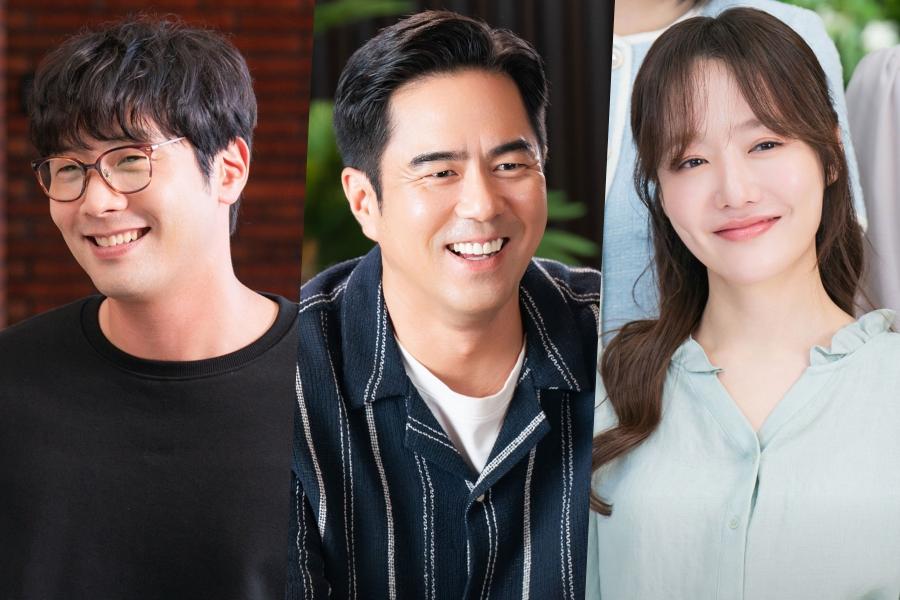
The highly anticipated third installment of "Yumi's Cells" is generating buzz not just for its beloved lead, but for its strategic, ensemble-building casting of actors like Choi Daniel and Jeon Seok Ho. This move mirrors the precise, member-dynamic curation seen in top-tier K-Pop groups, where every addition serves a distinct narrative and emotional purpose. By analyzing this supporting cast through a K-Pop industry lens, we uncover the universal principles of audience engagement, world-building, and the power of a perfectly balanced "lineup."
- Why This Casting News Is a Masterclass in Ensemble Building
- Choi Daniel: The "Veteran Idol" Anchor Providing Stability
- Jeon Seok Ho & Mi Ram: The "Rookie" Injections of Fresh Energy
- The Unmissable Parallels to K-Pop Group Dynamics
- How These Cells Will Shape Yumi's Final Emotional Arc
- Your "Yumi's Cells 3" & K-Pop Strategy Questions, Answered
Why Does This "Yumi's Cells 3" Casting News Feel Like a K-Pop Comeback Rollout?
Announcements for new K-Pop comebacks often follow a specific, fan-engaging rhythm: the teaser schedule, the concept photos, the member-focused highlights. The revelation of new stills for Choi Daniel, Jeon Seok Ho, Mi Ram, and others for "Yumi's Cells 3" operates on a strikingly similar wavelength. It’s not merely about filling roles; it’s a calculated expansion of a beloved universe, designed to excite existing fans and attract new viewers based on specific actor "types" and promised dynamics.
The Art of the "Addition" in Established Universes
Just as a K-Pop group might add a new member for a sub-unit or a special project, a long-running drama must introduce new characters to prevent narrative stagnation. These additions are never random. They are selected to fill specific archetypal gaps, create new conflict, or explore unexplored facets of the protagonist's personality—much like how a new idol might be brought in for their unique vocal color or rap style to complete a group's sonic palette.
Building Anticipation Through Archetypal Teasing
The released stills function as "concept photos," offering visual clues about each character's role without giving away the plot. Choi Daniel in sharp office attire hints at a professional, perhaps formidable presence. Jeon Seok Ho's warmer visuals suggest a more approachable, potentially romantic foil. This targeted teasing allows the audience to immediately begin speculating and forming attachments, mirroring how fans dissect every frame of a K-Pop teaser to predict the song's genre and concept.
This casting strategy is less about surprise and more about confirmation—assuring the audience that the world they love is being deepened with intention.
What Narrative Role Does a "Veteran" Like Choi Daniel Play?
In K-Pop, a seasoned veteran joining a project brings immediate credibility, advanced skill, and a calming, mentoring presence. Think of how senior idols often guide younger groups on variety shows. Choi Daniel's entry into the "Yumi's Cells" universe serves a parallel function. His extensive filmography and reputation for nuanced performances act as a quality seal for the series' third act.
The Anchor of Emotional Complexity
While Yumi's journey has been defined by youthful romance and office life tribulations, a character portrayed by an actor of Daniel's caliber suggests a shift toward more mature, complex emotional terrain. His character is poised to represent a different kind of challenge or relationship for Yumi—one potentially rooted in career ambitions, adult compromises, or a more seasoned worldview. This elevates the narrative stakes, similar to how a veteran idol's solo track often explores more mature themes than their group's title song.
Stabilizing the Series' Final Season
As a series approaches its conclusion, there is a risk of the plot meandering or resorting to fan service. Casting a respected veteran like Choi Daniel signals a commitment to substantive, character-driven resolution. He provides a narrative weight that ensures Yumi's final decisions and growth feel earned and significant, anchoring the potentially chaotic "cells" perspective in a grounded, human performance.
How Do "New Faces" Like Jeon Seok Ho and Mi Ram Function as Fresh Energy?
If Choi Daniel is the veteran anchor, then Jeon Seok Ho and Mi Ram represent the exciting "rookie" energy. In K-Pop terms, they are the new trainees who debut with a group mid-career, bringing a burst of fresh charm, a new fan demographic, and unexplored group chemistry. Their presence is crucial for preventing a series from feeling like it's only retreading old ground.

Jeon Seok Ho: The Potential "Fan Favorite" Wild Card
Based on his previous roles and the warmth exuded in his stills, Jeon Seok Ho's character has immediate "fan favorite" potential. He could be the charming, uncomplicated love interest, the supportive best friend, or the relatable colleague. This role is vital for maintaining the series' accessible, heart-fluttering appeal. It's the equivalent of a K-Pop group's "visual" or "mood maker"—a member whose presence guarantees specific, enjoyable emotional responses from the audience.
Mi Ram and Ensemble Depth: Building a Roster
The inclusion of actors like Mi Ram expands the story's social ecosystem. Yumi's world isn't just about romance; it's about work, friendship, and self-discovery. These supporting roles populate that world, making it feel lived-in and real. They are the "sub-unit" and "collaboration" opportunities within the main series narrative, allowing for side stories and comic relief that enrich the overall experience without diverting from the central plot.
Can We Directly Map This Casting to K-Pop Group Positions?
Absolutely. The construction of a successful K-Pop group is a science of balancing distinct "positions" (main vocal, lead dancer, rapper, visual) to create a harmonious whole. The "Yumi's Cells 3" casting follows the same blueprint, but for narrative purposes. Let's break down the parallels.
K-Pop Group Position "Yumi's Cells 3" Casting Analogy Function & Audience Appeal Leader / Veteran Choi Daniel Provides stability, depth, and narrative credibility. Attracts viewers who appreciate seasoned acting. Main Vocal / Emotional Center Kim Go Eun (Yumi) Carries the core emotional weight and journey. The audience's primary point of identification. Visual / Fan Attractor Jeon Seok Ho Generates immediate fan interest and buzz through charm and appeal. Drives social media engagement. Sub-Vocal / Supporting Role Mi Ram & Other New Cast Enhances the overall harmony of the story, provides specific moments to shine, and fleshes out the world. Previous Love Interests (Babii, Woong) Former Main Dancers / Rappers Defined previous "eras" or seasons. Their legacy impacts the current dynamic, even if they are not present.This structured approach to casting ensures every segment of the audience has a point of entry. It’s a strategy we've seen in the meticulous planning behind groups like KickFlip's "Eye-Poppin'", where every member's skill is deployed for maximum synergistic effect.
How Will These New Cells Specifically Impact Yumi's Final Story Arc?
The cells inside Yumi's brain react to external stimuli. Therefore, every new character is not just a person, but a catalyst for entire colonies of cells. The strategic casting directly dictates the emotional and psychological battles we will witness in animation.
Introducing New "Emotional Tribes"
A character like Choi Daniel's may activate Yumi's "Ambition Cells" or "Rationality Cells," potentially conflicting with her more dominant "Love Cell" or "Hunger Cell." Jeon Seok Ho's character might reignite her "Romance Cell" but in a new, healthier way, or empower her "Confidence Cell." Each actor represents a specific set of internal conflicts and growth opportunities for Yumi, mapping her journey toward self-completion.
The Final Symphony of Self
Season 3 is poised to be the culmination of Yumi's journey toward emotional maturity. These new cast members are the final instruments needed in the orchestra. Their interactions with Yumi will force her various "cells" to finally cooperate, compromise, or let one lead decisively. The diverse charms of the cast, therefore, are not just entertainment; they are the essential external forces required to resolve the internal civil war we've been watching for two seasons.
Your "Yumi's Cells 3" & K-Pop Strategy Questions, Answered
Q: Is this focus on supporting cast a sign the main love story is weak?
A: Not at all. In both compelling dramas and successful K-Pop groups, the strength of the supporting ecosystem is what allows the central narrative (or main vocal) to truly soar. A weak world makes the protagonist's journey feel isolated. A rich world makes it feel earned and real. This is an expansion, not a replacement.
Q: Does this mean less screen time for the animated Cells?
A>Unlikely. The animated Cells are the narrative engine of the show. New, complex characters mean *more* material for the Cells to react to, not less. We may even see new Cells emerge, like a "Career Cell" or "Maturity Cell," in response to these sophisticated new influences.
Q: How does this compare to a K-Pop group adding members?
A>The core principle is identical: strategic addition to fill a niche, refresh dynamics, and attract new fans. The risk is also similar—existing fans may resist change. However, when done with narrative purpose (like careful management of a member's departure or a group's legacy), it can revitalize the entire project.
Q: Should K-Pop fans pay attention to this drama even if they're not regular K-drama viewers?
A>Absolutely. "Yumi's Cells" offers a masterclass in audience engagement, character branding, and long-term story arc management—all highly relevant to how idol careers and group concepts are sustained. Understanding how Yumi's "fandom" (the audience) is nurtured through character development is directly applicable to idol fandom.
Conclusion: The Takeaway for Storytellers and Stans Alike
The curated casting of "Yumi's Cells 3" is far more than standard pre-release promotion. It is a case study in the modern art of fandom cultivation. By applying the same meticulous, position-based strategy used to build iconic K-Pop groups, the drama ensures its final season is layered, dynamic, and capable of satisfying a diverse viewership. It teaches us that whether you're crafting a series or a idol group's comeback, every element must serve a clear purpose in the larger emotional ecosystem.
For K-Pop enthusiasts, analyzing such moves sharpens your understanding of the industry's mechanics beyond the music. The next time you see a comeback schedule or a new member announcement, look for the narrative blueprint underneath. And for drama fans, watch "Yumi's Cells 3" with this lens—you'll appreciate not just the story, but the brilliant, K-Pop-adjacent strategy behind its telling. For more deep dives into the strategy behind your favorite artists, always check our definitive Charts page for data and our News page for the latest updates.