
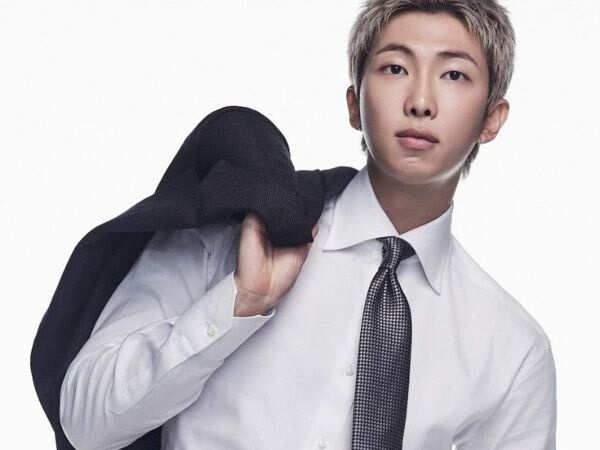

The air in Seoul is thick with the electric anticipation that only a BTS comeback can generate. Yet, in a quiet, nondescript physiotherapy room just days before a globally broadcast event, a different kind of tension hangs heavy. Kim Namjoon, the world-renowned RM, methodically works through a series of controlled movements, his focused expression belying the sharp, persistent protest from his ankle. A routine rehearsal for the monumental 2025 BTS COMEBACK SHOW has taken a brutal turn, leaving the group's leader, lyricist, and emotional core with a diagnosed ligament tear. In an industry built on flawless perfection, a sudden injury is a crisis. For BTS, it is a moment that threatens to redefine the very meaning of their long-awaited return.
A Crossroads of Destiny: BTS in the "Chapter 2" Era
To understand the seismic weight of this moment, one must first appreciate the context. Since the landmark announcement of their temporary focus on solo activities—a period fans and media have dubbed "Chapter 2"—each member of BTS has embarked on a journey of individual artistic discovery. RM himself set a towering standard with his introspective solo album Indigo, a critically acclaimed work that cemented his status as a profound thinker and musician's musician. These solo endeavors, while successful, have been intrinsically linked to a collective promise: the eventual, triumphant return of the septet.
The upcoming comeback isn't merely another album release; it is the symbolic closing of one historic chapter and the explosive beginning of the next. It represents the fulfillment of a covenant with ARMY, the fanbase that has scaled every peak with them. The planned comeback show is designed to be a global spectacle, a statement of unity and renewed purpose. Every detail, from the choreography to the staging, has been crafted to convey a narrative of resilience and togetherness—a narrative now painfully mirrored in real-time by its leader's physical condition.
"The comeback was always about the seven of us, whole and together. That was the core idea. Now, we have to prove that 'together' isn't about perfect symmetry, but about shared spirit," a source close to the production team told K-Beats, highlighting the philosophical pivot now forced upon the entire operation.
The Fall and The Resolve: Dissecting the Injury and the Statement
The incident occurred during a late-night rehearsal for the comeback show's complex opening sequence. Insiders describe a demanding segment involving elevated platforms and rapid positional changes. RM, known for his intense dedication to perfecting even the most minute detail of a performance, was in the midst of a repetition run when he landed awkwardly after a jump. A sharp pain immediately shot through his lower leg. The room fell silent.
Initial hope for a simple sprain was dashed following immediate imaging at a specialist hospital in Seoul. The diagnosis: a partial tear of the anterior talofibular ligament (ATFL), a key stabilizer in the ankle. The recommended medical protocol for such an injury is clear: immobilization, rest, and a strict rehabilitation regimen lasting several weeks to prevent chronic instability. For an idol facing a high-stakes performance filled with dance, the timing could not be worse.
HYBE's Calculated Transparency
The agency, Big Hit Music, moved swiftly to control the narrative. Their official statement was a masterclass in balancing stark reality with steadfast determination. It confirmed the ligament tear with clinical specificity, immediately dispelling potential rumors of a more severe break or fracture. But the heart of the announcement lay in its concluding lines: "Although this injury will inevitably affect some aspects of the planned performance, RM has expressed his unwavering desire to participate. After extensive consultation with medical staff and the production team, we will adjust the staging and choreography to allow him to take part in the comeback show to the greatest extent possible, prioritizing his health and safety above all."
This statement does several crucial things. First, it establishes RM's own agency—his "unwavering desire" is positioned as the driving force. Second, it assures fans of adaptation, not cancellation. Third, and most importantly, it places "health and safety" as the non-negotiable paramount concern, a vital message in an industry often criticized for pushing artists beyond their limits. This approach echoes the more protective, artist-centric stance HYBE has been cultivating, a stark contrast to the "show at all costs" mentality of previous K-pop generations, as explored in our analysis of industry pressures in Beyond the Microscope: Jungkook's Viral Moment.
ARMY Mobilizes: A Wave of Worry, Support, and Strategic Love
The reaction from ARMY was instantaneous and multifaceted, flooding social media platforms with a blend of acute concern and militant support. The hashtag #GetWellSoonNamjoon trended globally within minutes, accompanied by #WeLoveYouRM and #TrustBTS. On fan community platforms like Weverse, the tone was overwhelmingly protective.

"Please, don't push yourself too hard. We can wait. Your health is the only thing that matters," wrote one fan, a sentiment echoed in thousands of comments. Simultaneously, a more pragmatic wing of the fandom began dissecting the statement, speculating on what "adjusted" performances might look like. Would RM be seated? Would his parts be redistributed? Fan artists began creating supportive digital posters depicting RM as a wounded warrior-king, leaning on his members.
This incident has also triggered a broader reflection within the fandom about the physical toll of idolhood. Long-time ARMYs began circulating clips of past BTS performances where members like Jungkook and Jimin performed through visible pain, leading to discussions about the unsustainable expectation of perpetual peak condition. The fan response has been a powerful display of emotional maturity, prioritizing the human over the idol—a testament to the unique bond BTS has fostered. For more on how fandoms navigate complex issues surrounding their idols, explore our News page for continuous coverage.
The Ripple Effect: Industry Implications of a Leader's Injury
Beyond the immediate drama, RM's situation sends shockwaves through the K-pop industry, highlighting several critical, ongoing tensions.
The Illusion of Invincibility vs. The Reality of Mortal Artists
K-pop sells a fantasy of superhuman effort and flawless execution. An injury of this nature, so close to a flagship event, violently punctures that illusion. It forces companies, fans, and the media to confront the fragile physical reality of the artists at the center of the machine. How agencies handle these crises is becoming a key metric of their ethos. Big Hit's response will be scrutinized and likely set a precedent, much like how other companies have had to navigate sudden scandals or controversies, such as the situation detailed in Behind the Gloss: The Unraveling of PIXCEL's Lee Hana.
Logistical and Financial Tremors
The comeback show is a multi-million-dollar production involving hundreds of crew, pre-filmed segments, intricate lighting and stage cues synced to choreography, and lucrative sponsorship deals. RM's injury necessitates a last-minute, top-down redesign. Choreographers are working overtime to create "B" versions of formations. Directors are re-blocking camera angles. This unforeseen variable tests the entire system's flexibility and resilience, proving that even the most polished machine can be vulnerable to a single misstep.
Furthermore, it underscores the immense value and irreplaceability of each BTS member. The group's synergy is their signature; removing or limiting one piece, especially the leader, forces a fundamental recalculation of their stage chemistry and energy distribution. This dynamic is something even rising rookies are keenly aware of, as they plot their own paths to the top. For instance, groups like AMPERS&ONE are carefully constructing their team dynamics, as seen in their recent "DEFINITION" teaser, understanding that a group's strength is both collective and individually vulnerable.
A New Paradigm for Performance?
Could this incident, however painfully, pave the way for a more inclusive and adaptive view of performance in mainstream K-pop? If the biggest group in the world successfully executes a major comeback show with a visibly adapting, injured member, it might challenge the rigid standards of what a "perfect" stage looks like. It could empower other artists to listen to their bodies and foster an environment where artistic presence is valued as highly as physical precision.
The Road to the Stage: Adaptation, Brotherhood, and Legacy
So, what does the immediate future hold? The final days of rehearsal will no longer be about polishing perfection, but about engineering intelligent compromise. Expect to see RM in more stationary, powerful vocal and rap positions—perhaps seated on an artfully designed prop throne that becomes a symbol of the moment. His fellow members, Jin, SUGA, J-Hope, Jimin, V, and Jungkook, will likely shoulder more spatial coverage, their formations dynamically contracting and expanding to both protect their leader and showcase their unity.
The emotional tenor of the show will undoubtedly shift. Songs about perseverance, struggle, and mutual support will land with newfound, raw poignancy. The members' interactions—a supportive hand on RM's shoulder, a glance of understanding—will be parsed by millions for meaning. This comeback show has transformed from a mere celebration of new music into a live documentary of resilience.
In the long term, RM's recovery will be a priority. The group's schedule in the coming months may see subtle shifts to accommodate his rehabilitation. However, if history is any guide, this challenge will only deepen the narrative of BTS. They have built a legacy on translating personal and collective struggle into art. This ligament tear is now part of that story—a physical manifestation of the weight they carry and the strength they find in each other.
As the lights go up on that stage, all eyes will be on Kim Namjoon. His performance will be measured not in the height of his jumps or the complexity of his footwork, but in the conviction of his voice, the depth of his expression, and the unwavering solidarity of the six men beside him. The show, in its reimagined form, will indeed go on. But more importantly, it will redefine what going on truly means. In navigating this unforeseen trial, BTS may once again change the game, proving that true artistry isn't about defying human limits, but about revealing the profound beauty of humanity within them. For the latest updates on BTS and all your favorite artists, be sure to check our Artists page.