

Within minutes of their release on Weverse, the digital landscape ignited. The official social media accounts for BTS dropped a series of meticulously staged, high-concept photos tagged under the project name “ARIRANG,” a direct reference to Korea’s most iconic folk song. Expectation had been sky-high; this was, after all, the first major conceptual photo release from the group since the announcement of their collective hiatus for mandatory military service, a period fans have dubbed ‘Chapter Two.’ Instead of the unified awe that typically greets their content, a torrent of confusion, disappointment, and outright anger flooded timelines. The serene, almost somber visuals, far from celebrating a shared cultural heritage, were perceived by a significant portion of the ARMY fandom as a dissonant, aesthetically grim misstep that clashed with the soulful hope of the song they invoked.
What was intended as a deep, artistic bridge between BTS’s global stature and their Korean roots has, overnight, become one of the most contentious creative releases in the group’s recent history. The backlash was not a mere murmur of dislike; it was a structured, articulate wave of critique focusing on styling, art direction, and the perceived tone-deafness of the concept’s execution. This incident transcends a simple debate over pretty pictures. It strikes at the heart of the immense, often impossible expectations placed on BTS as cultural standard-bearers, the perils of artistic experimentation during a fragmented era for the group, and the fiercely protective relationship between ARMY and the idols they support. To understand the scale of this reaction, one must look at the unique position BTS holds, not just in music, but as a living symbol of modern Korean culture on the world stage.
The Unparalleled Pedestal: BTS as Cultural Ambassadors in Chapter Two
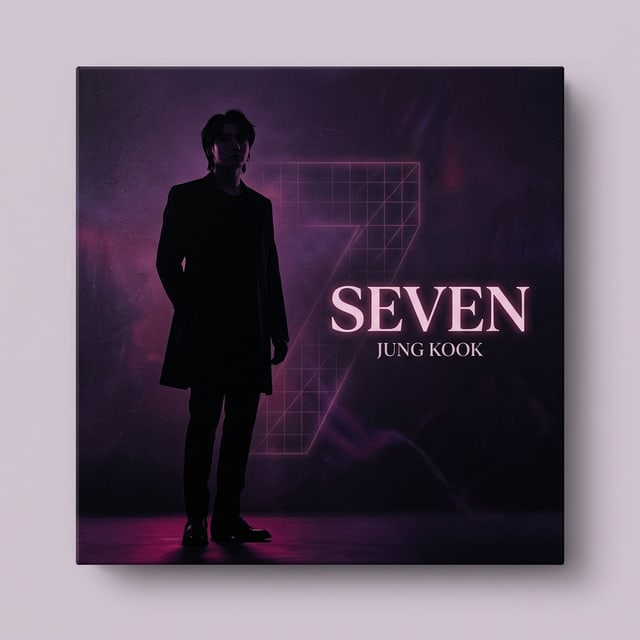
To call BTS successful musicians is a profound understatement. Over the past decade, they have evolved into global icons, presidential envoys, and de facto ambassadors for South Korea. Their every move is scrutinized through multiple lenses: musical innovation, commercial viability, and, increasingly, cultural representation. This burden of representation is a weight carried by few artists worldwide. In their “Yet to Come” promise, the group and HYBE framed this period of individual activities as a time for growth and exploration, but with an implicit understanding that the center of gravity—their core identity as BTS—remained intact. Solo projects like j-hope’s Jack In The Box or Jung Kook’s “Seven” have been largely met with acclaim, seen as authentic extensions of the members’ personal artistry.
However, any group-branded content during this period exists in a precarious space. It is held to the gold standard of past BTS eras—the intricate storytelling of The Most Beautiful Moment in Life, the revolutionary aesthetics of Love Yourself: Tear, the unifying manifesto of Map of the Soul: 7. Fans have been conditioned to expect layered narratives, cohesive visuals, and an emotional resonance that ties back to the BTS universe. When HYBE announced a project named after “Arirang,” a song synonymous with Korean perseverance, sorrow, and hope, the assumption was a celebration. Perhaps a modern reinterpretation of the melody, or visuals connecting the members’ journeys to the folk song’s themes of overcoming hardship. The reality, as delivered, presented a starkly different artistic language, one that many fans were not prepared to decode. For a deeper look at how production teams interact with artists in this high-pressure environment, our analysis of a recent communication breakdown involving a BTS producer reveals the complex dynamics behind the scenes.
Deconstructing the Dissonance: A Visual Autopsy of the “ARIRANG” Photos
The released photos were undeniably high-quality from a technical standpoint. Shot in a stark, minimalist studio setting with a muted, almost desaturated color palette, they featured the members—both in individual and subunit shots—in poses that evoked stillness and introspection. The problem, as articulated by thousands of fans, lay in the specific artistic choices that collectively created a feeling of alienation rather than connection.
The Styling and Art Direction
Criticism zeroed in on the styling, described by many as “funereal” and “severe.” The members were dressed in oversized, structured suits in shades of black, grey, and deep brown, with silhouettes that obscured rather than celebrated form. Hairstyles were uniformly sleek and dark, with minimal makeup, contributing to an austere, impersonal atmosphere. The props were sparse and symbolic: a single, wilting flower; a cracked, antique-looking bowl; a length of coarse, unspooled rope. “Where is the ‘Arirang’ here?” became a recurring question on social media platforms. The folk song, while dealing with themes of separation and sorrow, is ultimately a vibrant, living piece of communal culture, often sung with gusto and accompanied by dance. The visual interpretation leaned entirely into a contemporary, Western art-gallery concept of melancholy, creating a jarring disconnect for viewers expecting a nod to Korean traditional aesthetics or a more vibrant, hopeful representation of the song’s enduring spirit.
“It feels like a European art director’s cold, minimalist take on ‘Asian melancholy.’ There’s no warmth, no connection to the soil or the people of ‘Arirang.’ It’s aesthetically beautiful but emotionally hollow and culturally generic,” wrote one viral Twitter thread from a fan with a background in art history.
The Chasm Between Concept and Expectation
The backlash highlights a critical challenge for HYBE’s creative teams. BTS’s legacy is built on concepts that, no matter how complex, felt earned and cohesive. The “ARIRANG” project, as presented, suffered from a lack of clear communicative scaffolding. Without accompanying music, explanatory notes, or a clearer narrative thread, the photos were left to stand alone, open to interpretation. In the vacuum, the dominant interpretation became one of misappropriation—using the name of a cherished cultural artifact to lend gravity to an unrelated, somber fashion spread. This wasn't seen as an evolution of the folk song's meaning, but as a detachment from it. The project inadvertently touched a nerve in an ongoing industry-wide conversation about the respectful use of traditional elements, a conversation other groups like aespa navigate with their own distinct cyberpunk-meets-Korean-folklore concept, as seen in their upcoming highly anticipated May comeback.
The Fractured Chorus: ARMY’s Reaction and the Spectrum of Disappointment
The fan reaction was swift, massive, and notably nuanced. It moved beyond simple disappointment into a multifaceted discourse across Weverse, Twitter, TikTok, and fan cafes.

- The Aesthetic Critics: This large segment focused purely on the visual output. Their feedback was direct: the photos were “boring,” “depressing,” and “not up to BTS’s standard.” They compared them unfavorably to past concept photos, lamenting the lack of color, dynamism, and the signature “BTS flair.”
- The Cultural Guardians: A more passionately vocal group took deep offense on a cultural level. They argued that using “Arirang” as a title for such a conceptually distant project was disrespectful, reducing a profound piece of national heritage to a mere moodboard keyword. This faction demanded greater sensitivity and authenticity from HYBE’s creative directors.
- The Defenders and Context-Seekers: A significant portion of the fandom urged patience, theorizing that these photos are just a cryptic first piece of a larger puzzle. They pointed to BTS’s history of subverting expectations and asked others to reserve full judgment until more of the project is revealed, possibly connecting it to future solo work or a later group project.
- The Concerned Observers: Many expressed worry that this signaled a creative misalignment within HYBE’s machinery during BTS’s hiatus, fearing the group’ brand was being steered by teams out of touch with both the fandom’s pulse and the members’ core identities.
The backlash trended globally, with hashtags like #HYBEPleaseExplainARIRANG and #RespectArirang generating millions of impressions. The intensity of the response underscores a key dynamic: ARMY is not a passive consumer base. It is an engaged, critically thinking community that holds HYBE to an exceptionally high standard, especially when it comes to representing BTS and, by extension, elements of Korean culture. For the latest on how other fandoms are engaging with their idols' activities, you can always check our News page for continuous updates.
Industry Echoes: Risk, Representation, and the HYBE Machine
Within the competitive K-Pop industry, this incident is being watched closely. Analysts see it as a case study in the risks of managing a group of BTS’s stature during a hiatus period. “The ‘ARIRANG’ backlash is a textbook example of a communication failure between a label’s creative vision and its audience’s cultural expectations,” says Park Ji-min, a pop culture critic. “HYBE assumed the artistic merit would be self-evident. The fandom, however, required context and a visible thread of reverence. Without it, the project reads as cynical or, worse, artistically arrogant.”
This moment also places HYBE’s broader strategy under scrutiny. As the corporation expands with new groups like LE SSERAFIM - LE SSERAFIM - PUREFLOW pt.1: What Just Landed" rel="internal">PUREFLOW pt.1: What Just Landed" rel="internal">LE SSERAFIM and NewJeans, each with distinct, carefully calibrated identities, questions arise about resource allocation and creative focus on the flagship act that is currently in a non-promotional phase. Is the “BTS brand” being managed with the same innovative care that built it, or is it being maintained through a more formulaic, risk-averse corporate playbook? The passionate rejection of the “ARIRANG” visuals suggests fans are acutely sensitive to any perceived dip in quality or authenticity.
Furthermore, it highlights the tightrope all major K-Pop acts walk when engaging with traditional culture. It’s a potent source of inspiration but must be handled with a blend of innovation and deep respect. The difference between being praised for cultural fusion (as seen in some stages by groups like ATEEZ or ENHYPEN) and being accused of appropriation can be a matter of perceived intent and execution. This controversy serves as a stark reminder to all agencies to involve cultural consultants and be transparent with their creative processes when invoking specific, revered cultural artifacts. To see how other artists are capturing the public's attention with different kinds of projects, the story of Park Jinyoung and Kim Min Ju's drama shows the diverse avenues idols explore.
The Road Ahead: Damage Control, Dialogue, and Legacy
So, where does HYBE go from here? The immediate silence following the backlash is telling. The standard playbook of ignoring negative feedback is unlikely to work with an issue of this emotional magnitude to the fandom. Several potential paths forward exist:
- Contextual Release: HYBE could quickly follow up with a creative director’s notes, a short film, or a statement from the members themselves explaining the vision behind “ARIRANG.” Providing the missing narrative link could potentially salvage the project and reframe the conversation.
- Quiet Pivot: The label may choose to simply not expand on this concept further, letting it fade and focusing fan attention on upcoming, less contentious solo releases from the members, effectively treating it as a discontinued experiment.
- Engagement and Acknowledgment: A more progressive, though risky, move would be for HYBE to acknowledge the fan feedback directly, perhaps through a Weverse live from a company representative or creative lead, opening a dialogue about artistic intention and fan perception. This would be unprecedented but could dramatically strengthen trust.
Long-term, this episode is unlikely to dent BTS’s monumental legacy, but it will become a footnote—a cautionary tale about the unique pressures of their Chapter Two. It reinforces that ARMY’s loyalty is to BTS the artists and their authentic narrative, not to the HYBE corporation unconditionally. For the members themselves, currently deep in their individual pursuits, this serves as a reminder of the intense, often conflicting expectations that await any group activity, no matter how small.
The “ARIRANG” controversy is more than a debate about photography. It is a reflection of a fandom that has matured alongside its idols, one that demands to be spoken with, not spoken to. It is a lesson in the profound weight of cultural symbols. And ultimately, it is a testament to the fact that the connection between BTS and ARMY is so powerful that even a misstep in a concept photo can echo like a thunderclap, prompting a necessary, if uncomfortable, conversation about art, respect, and the future of the most influential group in the world. As the industry watches, the resolution—or lack thereof—will set a precedent for how mega-labels navigate the complex, passionate waters of a globally engaged, culturally conscious fandom in the modern K-Pop era. For the latest chart performances and how fan movements translate commercially, follow the data on our Charts page.