
In a characteristically direct and subtly sassy live broadcast, BTS's Jungkook directly addressed the swirling online controversy about his recent public behavior, which many netizens had labeled as appearing "drunk." Rather than a standard apology, his response—a mix of playful deflection, mild exasperation, and candid acknowledgment—has become a pivotal case study in modern idol-fan dynamics. This analysis unpacks the incident's layers, from media sensationalism and cultural double standards to Jungkook's strategic use of his platform, revealing a significant shift in how top-tier K-Pop artists navigate personal scrutiny while asserting their individuality.
- What Exactly Was The "Drunk" Controversy?
- How Did Jungkook Actually Address It?
- Why Does This Tap Into Deeper Cultural Tensions?
- Is This Part of a Larger Shift in HYBE's Artist Strategy?
- What Does This Mean for the Broader K-Pop Industry?
- Your Jungkook Controversy Questions, Answered
What Exactly Was The "Drunk" Controversy?
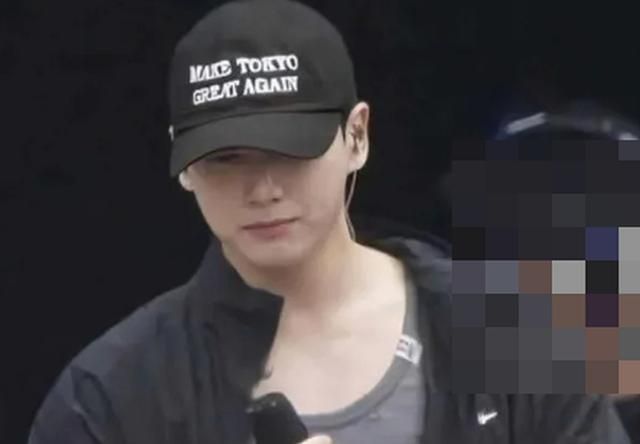
The spark for this media firestorm was deceptively simple. Following a public appearance, Jungkook was filmed in a casual, off-duty moment. His demeanor—perceived by some online communities as overly relaxed, giggly, and physically unsteady—was quickly clipped, edited, and disseminated across social media platforms with the hashtag #DrunkJungkook. Within hours, the narrative crystallized without official context or statement.
The Anatomy of a Viral Narrative
This incident exemplifies the "clip culture" endemic to modern K-Pop fandom. A 15-second snippet, divorced from the hours of context surrounding it, becomes the entire story. Platforms like TikTok and Twitter prioritize engagement over nuance, allowing speculative narratives to achieve factual status before the artist or their agency can even respond. The controversy wasn't born from a news report, but from crowd-sourced speculation gaining algorithmic momentum.
The Role of "Concern Trolling" and Double Standards
Scrutiny under the guise of concern is a common tactic. Comments often framed the criticism as worry for his health or professionalism. However, this frequently masks a stricter enforcement of idol conduct codes for some artists over others. Comparatively, similar behavior from artists in different genres or with different public images might not trigger the same level of backlash, highlighting an inconsistent application of the unwritten "idol rules."
How Did Jungkook Actually Address It?
Jungkook's response did not come through a press release or a formal agency statement. Instead, he chose his most authentic and controlled medium: a live broadcast directly to ARMY. His tone was the story—not defensive, not overly solemn, but layered with a knowing, almost weary sass.
The Power of Tone and Subtext
He didn't launch into a point-by-point rebuttal. Instead, he acknowledged seeing the comments with a playful roll of his eyes and a comment to the effect of, "People have such wild imaginations." This framing immediately shifted the power dynamic. It framed the speculation as imaginative fiction rather than a serious allegation requiring a grave defense. He acknowledged having a good time, implicitly confirming he was in a festive mood, without validating the "drunk" label.
A Masterclass in Boundary-Setting
"I'm an adult, I know how to enjoy my time responsibly. It's funny what becomes news."
This subtle statement, woven into the live chat, was the core of his response. It accomplished three things: it affirmed his adulthood and autonomy, it emphasized his personal responsibility, and it gently mocked the media apparatus that turns mundane personal moments into scandals. This is a significant evolution from the default "apology-for-existing" formula that was once industry standard.
Choosing the Platform: Bypassing Traditional Media
By responding on Weverse Live, Jungkook spoke with ARMY, not to the media. This cut out the middleman and the potential for editorial spin. It ensured his tone and full context were delivered directly to his core audience, who received the message as intended—a shared inside joke about the absurdity of the outside noise. This direct-to-fan communication channel is a strategic asset that top HYBE artists wield masterfully.

Why Does This Tap Into Deeper Cultural Tensions?
This incident is a microcosm of the constant negotiation between traditional Korean societal expectations and the global, individualistic persona Jungkook must now maintain as a solo superstar.
The Unforgiving "Idol" vs. "Artist" Dichotomy
In the traditional K-Pop model, idols are held to near-impossible standards of impeccable public conduct. Any deviation from a polished, always-on persona is seen as a failing. However, as BTS members evolve into global artists and cultural icons, their audiences (especially internationally) expect more humanity, relatability, and even the right to be imperfect. Jungkook's response navigates this tightrope, asserting his artistic personhood while still operating within the idol ecosystem.
Cultural Notions of Public Decorum
The criticism also touches on deep-seated cultural norms around public behavior and sobriety. What might be viewed as simple revelry in one cultural context can be read as a lapse in judgment in another. Jungkook's global fame means every action is viewed through dozens of cultural lenses simultaneously, making a unified "correct" response impossible. His sassy, non-apology can be seen as appealing more to a global sense of individual freedom.
Perspective Traditional K-Pop Idol Expectation Jungkook's Global Artist Response Accountability Public apology to mollify all critics, regardless of validity. Direct acknowledgment to core fans, reframing the narrative with humor. Agency Role Label issues formal statement controlling the narrative. Artist leads response via personal channel; agency may remain silent or support. Fan Relationship Top-down: Idol is distant, perfect figure. Lateral: Artist shares "inside joke" with fans against outside noise. Core Message "I am sorry for causing concern." "We both know this is silly, right?"Is This Part of a Larger Shift in HYBE's Artist Strategy?
Jungkook's handling of this situation did not occur in a vacuum. It reflects a calculated, company-wide evolution in how HYBE manages its premier artists, especially BTS members in their solo endeavors.
From Puppeteers to Partners: The HYBE Evolution
Gone are the days of rigid, uniform media training that produces robotic responses. HYBE, particularly with the BTS members, has pivoted towards fostering artist autonomy. This builds more authentic, resilient brands. As seen in our analysis of JYP's Hit Factory, different agencies have distinct playbooks. HYBE's for its top veterans increasingly involves providing the platform (like Weverse) and security, then trusting the artist's own voice and judgment to manage their public persona.
Strategic Silence as a Powerful Tool
Noticeably, Big Hit Music (HYBE's label for BTS) did not lead with an official statement. This silence was likely deliberate. A corporate apology would have legitimized the controversy. By letting Jungkook address it his way, the agency allowed the story to become about his charisma and connection with ARMY, not about a disciplinary issue. This mirrors strategies used in savvy media placements, like the all-star casting for Yumi's Cells 3, where star power is leveraged to divert and control narrative.
What Does This Mean for the Broader K-Pop Industry?
When an artist of Jungkook's caliber successfully redefines a controversy, it sets a new precedent. The ripple effects will be felt across the industry, from rookies to veterans.
Redrawing the Lines of Idol Conduct
This incident contributes to the ongoing redrawing of the boundary between an idol's public and private life. A successful, sassy pushback makes it easier for the next artist to do the same. It signals to fans and media that not every moment of an artist's life is subject to professional critique. However, this privilege is earned through stature; a rookie group attempting the same might not receive the same supportive response.
The New Formula for "Scandal" Management
The old PR handbook is being rewritten. The new playbook, as demonstrated here, includes:
- Direct-to-Fan Communication: Bypass traditional media to control the message.
- Tone as a Weapon: Use humor, sarcasm, or weariness to disarm critics.
- Affirm Autonomy: Explicitly or implicitly state your right to personal space.
- Leverage Community: Turn the incident into a bonding moment with your core fandom.
A High-Stakes Gamble That Paid Off
This approach is not without risk. It could have been misinterpreted as arrogant or dismissive. Its success relied entirely on Jungkook's pre-existing, deeply trusting relationship with ARMY and his bank of public goodwill. For an artist at a career crossroads, like in our analysis of Kiss Of Life's "Who Is She", such a strategy might be too risky. Jungkook’s position as an established global star gave him the security to be bold.
Your Jungkook Controversy Questions, Answered
Did Jungkook actually apologize?
No, he did not issue a formal apology. He acknowledged the situation with a mix of humor and mild exasperation, emphasizing his adulthood and responsibility, which served as an indirect rebuttal to the criticism rather than an apology for his behavior.
Why didn't HYBE release a statement to protect him?
HYBE's lack of an official statement was likely a strategic choice. By allowing Jungkook to handle it personally, they empowered him, validated his autonomy, and prevented the corporation from legitimizing a minor, speculative issue. It signals a mature artist-partner relationship.
How have ARMY reacted overall?
The overwhelming reaction from ARMY has been supportive, viewing the live broadcast as a relatable and defiant moment. Many rallied behind the hashtag #RespectJungkook, criticizing media and netizens for excessive scrutiny of his private time and celebrating his candid response.
Does this affect his "golden maknae" image?
It transforms it. The "golden maknae" (golden youngest) image is one of innate talent and youthful perfection. This incident and response help mature that image into one of a confident, self-possessed adult man who owns his actions and his time, both on and off duty.
Will this encourage other idols to respond similarly?
For established senior idols, yes, it provides a successful blueprint. For younger idols still under strict "image management," it may not be immediately feasible. However, it adds to the growing body of evidence that fans often respond positively to authenticity over rigid perfection.
Where can I follow more nuanced analysis on stories like this?
For ongoing, in-depth analysis that goes beyond clickbait headlines, follow our dedicated K-Beats News page and explore our deep-dive artist and strategy analyses to understand the mechanics behind the music and the media.
Conclusion & The Path Forward
Jungkook's sassy, savvy handling of the "drunk" controversy is more than a viral moment—it's a landmark in the evolution of K-Pop celebrity. It demonstrates a seismic power shift: from passive idol subject to media narratives to active artist-auteur of their own public story. This was not a scandal contained, but a narrative hijacked and redefined on the artist's terms.
The lesson for the industry is clear: the next generation of superstar artists will demand and receive more agency over their personal boundaries. The lesson for fans is to engage critically with the clip culture that manufactures controversies from fragments. And the lesson for analysts is to look beyond the surface of these events to the underlying battles over autonomy, adulthood, and authenticity in a hyper-scrutinized industry.
To track how Jungkook and other top artists continue to navigate their public journeys, keep your eyes on our Charts page for their professional milestones and our Artists page for comprehensive profiles. The conversation around idol image is changing in real-time, and this incident has just written one of its most compelling chapters yet.