
"What are we supposed to do?"
This single, frustrated question, posted on an online community forum, has ignited a firestorm across the Korean music industry over the past 48 hours. It serves as the emotional core of a sprawling, viral investigation conducted by members of BTS's global fandom, ARMY. Their claim? That a coordinated effort by rival fanbases—termed "stream jamming"—artificially blocked BTS's latest single, "ARIRANG (The Dawn Version)," from achieving the coveted #1 spot on Melon's real-time chart during its crucial first 24 hours of release. This isn't just a story about chart positions; it's a story that questions the very infrastructure of success in K-Pop, the ethics of fan culture, and the vulnerabilities of a system built on real-time engagement.
A System Designed for Speed, Vulnerable to Strategy
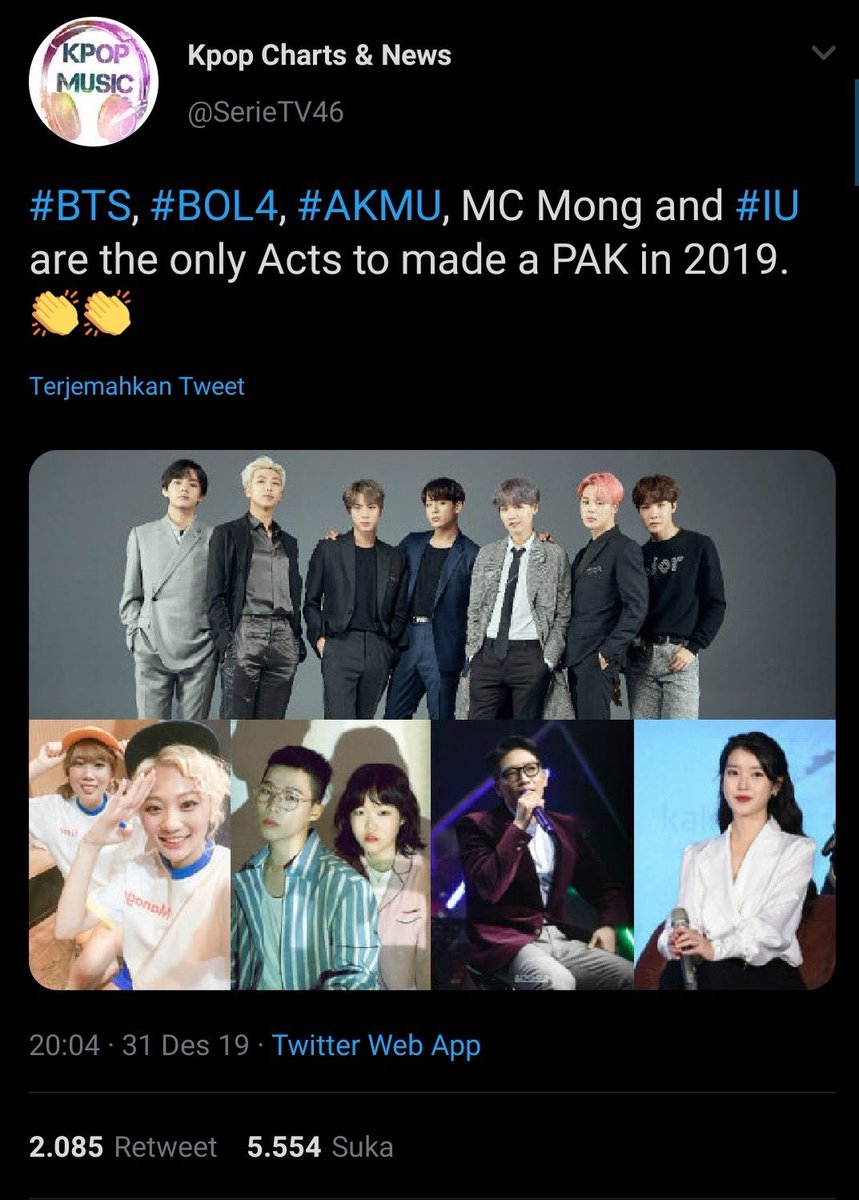
To understand the gravity of the allegations, one must first understand the battlefield: Melon's real-time chart. Unlike the daily or weekly aggregated charts that tally total streams and downloads, the real-time chart is a volatile, minute-by-minute reflection of what is being played right now. It is highly susceptible to coordinated fan movements. The goal for any major fandom during a "comeback" is to achieve a "real-time all-kill" (RAK), signifying their artist's song is #1 across all major Korean charts simultaneously. It's a badge of honor, a show of force, and a critical driver of public visibility.
BTS, having transcended traditional K-Pop metrics to become global icons, have a complex relationship with domestic charts. While their albums sell in the tens of millions and they command stadiums worldwide, the intensely competitive, fan-driven nature of Korean real-time charts presents a unique challenge. Their fandom, ARMY, is massive but globally dispersed, which can sometimes dilute the concentrated, timezone-specific voting power that smaller, more domestically-focused fandoms can muster for chart manipulation. As explored in our previous analysis of their solo project dynamics in "The Solo Scale," the group's internal fan dynamics are already under a microscope, adding another layer of tension to this chart performance.
The Anatomy of an Allegation
The viral thread, which has been viewed millions of times, doesn't just present a grievance. It presents a forensic case. Fans compiled timestamped data, network graphs of fanbase communication, and comparative streaming patterns. The core accusation is "stream jamming." This alleged tactic doesn't involve boosting one's own favorite song to #1, but rather, strategically propping up a different song—any song—to act as a "shield" or "blocker" against the track you aim to suppress.
In this scenario, as BTS's "ARIRANG" began its predictable ascent upon release, multiple organized fan communities for other top-tier fourth-generation groups allegedly activated contingency plans. They mass-streamed a specific digital single from a respected senior soloist—a song with steady, enduring popularity but not typically dominant in real-time. By artificially inflating the concurrent listener count for this "blocker" song at the precise minutes when BTS's stream counts peaked, they allegedly created an insurmountable wall at the #1 position.
"The streaming patterns were inorganic. We saw coordinated calls to action on closed forums minutes before 'ARIRANG' would naturally crest, creating perfect, sustained spikes for the blocker song that mirrored our own organized streaming peaks but consistently stayed 2-3% higher. It was a surgical operation." — A translated excerpt from the lead ARMY investigator's post.
The evidence presented suggests this wasn't a spontaneous act by individual fans, but a planned maneuver. This distinction is crucial, moving the allegation from simple competitive fandom to what some are calling "chart interference."
The Ripple Effect: Fury, Frustration, and Fractured Discourse
The reaction has been seismic and multifaceted. Within the ARMY community, the primary emotion is a sense of profound injustice, mixed with exhaustion. For many, domestic chart rankings are no longer a measure of BTS's success but a ritual of respect and celebration. To see that ritual allegedly gamed has led to widespread disillusionment.
"We stream to celebrate, to show our love, to contribute to their legacy in Korea," one fan told K-Beats via DM. "To see that effort met with what feels like a targeted technical foul... it makes you question why you even participate in the system." This sentiment echoes concerns raised in our coverage of "The Sponsorship Paradox," where the narrative of BTS facing unique industry headwinds persists.

However, the discourse is far from one-sided. In other fan communities, the reaction ranges from dismissive to defiant. Some claim the allegations are "sour grapes" from a fandom not used to losing any chart battle. Others argue that all chart activity is, by its nature, a form of manipulation, and that ARMY's own legendary streaming power sets the standard everyone else is forced to compete against. On broader platforms like Pann and Instiz, the debate has devolved into familiar fan war tropes, obscuring the more serious systemic question at the heart of the issue.
Notably, a segment of netizens uninvolved in fan wars has expressed their own weariness. "This proves the charts are meaningless," one popular comment read. "It's just a playground for rich fans with multiple streaming accounts and too much time. The real public isn't involved in this at all." This growing public skepticism towards chart authenticity is a looming crisis for the music industry, which relies on these rankings for marketing and prestige.
Beyond Fan Wars: An Industry Reckoning?
This incident forces a uncomfortable examination of the ecosystem that K-Pop has built. The real-time chart is more than a list; it's a driver of news cycles, a benchmark for advertising rates, and a trophy used in inter-agency competition. When its integrity is called into question, the entire promotional model feels shaky.
Music Show Wins: Several music program awards incorporate real-time chart data into their scoring. If that data can be artificially influenced by tactical "jamming," the legitimacy of those wins is eroded. This creates a perverse incentive where fanbases may invest more energy in suppressing rivals than in promoting their own artists.
The "Digital Chart" Artist Paradigm: For many younger groups, a strong digital chart performance is vital for survival and recognition. It attracts variety show appearances, brand deals, and media attention. An environment where the top spots can be weaponized by mega-fandoms in conflicts unrelated to the music itself jeopardizes the pathway for genuine break-out digital hits. This struggle for digital identity is something we've seen even fourth-gen groups navigate, as in our report on Baby DONT Cry's rebrand.
Platform Responsibility: All eyes now turn to Melon and its parent company, Kakao Entertainment. The platform has algorithms in place to detect and filter out "bulk streaming" or automated bots. However, the alleged "stream jamming" is subtler—it's real humans streaming a real song, just with coordinated, malicious intent rather than organic enjoyment. Can, or should, an algorithm distinguish between passionate fandom streaming and tactical suppression streaming? This is a philosophical and technical quandary. A statement from Melon is anticipated but has not yet been issued.
Industry insiders speaking to K-Beats on background expressed concern. "This is the natural, toxic evolution of a system that places ultimate value on instantaneous numbers," one promoter said. "We've taught fans for a decade that charts are the ultimate battleground. We celebrated their power to 'make their idols win.' Now that battlefield has evolved, and the tactics have become cynical. The industry doesn't have a playbook for this."
The Human Cost of Chart Pressure
While this saga revolves around data and algorithms, it's impossible to ignore the human element—both for the artists and the fans. The immense pressure on idols to perform well on charts is a well-documented source of anxiety. To consider that their standing could be affected by factors entirely divorced from the music's quality or public reception adds a layer of cruel unpredictability. This constant scrutiny takes a toll, a reality senior artists like SHINee's Onew have bravely spoken about, as we covered in his personal health disclosure.
For fans, the emotional labor is immense. The investment of time, money, and emotional energy into chart campaigns is staggering. To have that effort nullified by what feels like a "cheat code" can lead to burnout and resentment, poisoning the very community spirit that streaming was meant to celebrate.
What Comes Next: Cracks in the Foundation?
The aftermath of this viral allegation will likely shape K-Pop's digital landscape for the foreseeable future. We are already observing several potential consequences:
- ARMY Retooling: The BTS fandom is one of the most strategically sophisticated in the world. They are not likely to abandon the chart field. Instead, expect them to develop more complex streaming protocols, perhaps spreading efforts across multiple BTS tracks or altering their peak streaming times to avoid predictability. This could lead to an "arms race" in fanbase strategy.
- Platform Intervention: Melon may be forced to tweak its real-time chart algorithm. This could involve placing greater weight on unique listener IDs over total streams, implementing stricter cooldown periods between streams from the same account, or even de-emphasizing the real-time chart in its public interface. Any change will have massive ripple effects.
- A Shift in Value Perception: This scandal may accelerate a trend already emerging: the decreasing cultural weight of real-time charts among the general public. If the charts are seen as a manipulated fan playground, their value as a measure of true popularity diminishes. This could elevate the importance of other metrics: YouTube longevity, international Spotify numbers, album sales, and concert demand. BTS, with their unparalleled strength in these global, long-form metrics, may ultimately be less affected than younger groups who rely on domestic chart peaks for momentum.
- The Ethics Debate: The conversation within fan communities is shifting. While fan wars will persist, there is now a specific, named tactic—"stream jamming"—to debate. Will large fanbases formally disavow it? Will it become a taboo, or just another accepted, if cynical, tool in the box? The moral consensus that forms will dictate future engagements.
Ultimately, the story of "ARIRANG" and the Melon real-time chart is a symptom of a larger tension. It is the tension between global popularity and domestic systems, between organic growth and engineered success, and between celebrating art and winning a game. The viral cry of "What are we supposed to do?" is more than a complaint about a chart position. It is a question being asked by fans, artists, and industry leaders alike about the future of K-Pop's competitive soul. As the industry continues to evolve, finding an answer that preserves both competitive spirit and artistic integrity will be its greatest challenge. For the latest developments on this and other chart controversies, follow our ongoing coverage on the K-Beats Charts analysis page and for broader industry news, visit our main News hub.
The digital crown may have been contested, but the battle has revealed that the throne itself may be built on an increasingly fragile foundation. The music plays on, but the rules of the game are being rewritten in real-time.