In a stunning escalation of a personal controversy, AURA member K-Devon's recent handwritten apology for undisclosed personal issues has catastrophically backfired, transforming his voluntary hiatus into a firestorm of fan-led "Leave The Group" demands. This incident exposes the fragile, hyper-sensitive contract between fourth-generation idols and their fandoms, where perceived authenticity is the ultimate currency and misjudged communication can trigger an irreversible backlash. The core failure lies not in the act of apologizing, but in a letter that fans decoded as insincere, evasive, and damaging to the group's carefully crafted brand, proving that in today's K-Pop landscape, the court of public opinion delivers the swiftest and harshest verdicts.
- The Spark: What Did K-Devon's Apology Actually Say?
- The Inferno: Why Did Fans React With Such Fury?
- Industry Precedent: How Does This Compare to Other Idol Apology Scandals?
- Agency Aftershock: Where Did Starline Entertainment's Strategy Fail?
- The Road Ahead: What Are AURA's Possible Futures?
- The Bigger Picture: What Does This Mean for Idol-Fan Dynamics?
- FAQ: Your Burning Questions Answered
The Spark: What Did K-Devon's Apology Actually Say?
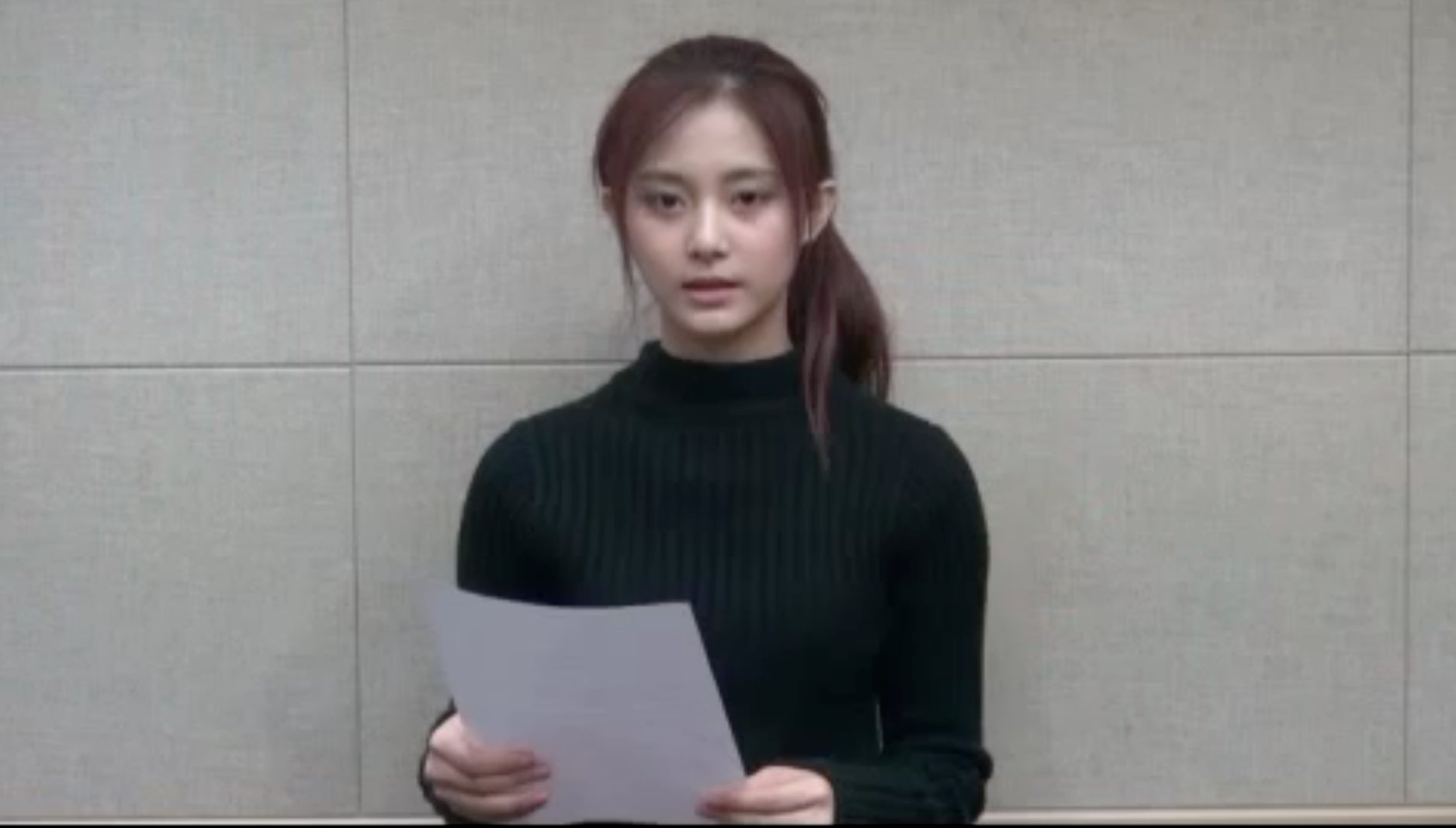
The now-infamous letter, uploaded to AURA's official fan cafe late Tuesday, followed the sudden announcement of K-Devon's "temporary suspension of all scheduled activities for personal reflection." Initially met with concern, the tone shifted rapidly as fans dissected the apology's language.
The Key Phrases That Lit the Fuse
Rather than providing clarity, the note was a masterclass in vague corporate-speak layered over a personal format. Critical phrases included: "for circumstances I cannot fully elaborate on," "to prevent causing further distraction to the members," and the particularly damning, "I hope you can support AURA's future endeavors." Fans immediately noted the absence of specific remorse for a known action and a conspicuous pivot to the group's brand over individual accountability.
The Format Itself Was a Strategic Error
In opting for a handwritten note—a format traditionally reserved for sincere, personal transgressions—K-Devon and Starline Entertainment invoked a expectation of raw honesty. The disconnect between that expectation and the generic content created a cognitive dissonance that fans interpreted as insulting. It felt less like a heart-to-heart and more like a PR memo in disguise, a misalignment reminiscent of the careful, genre-blending authenticity that makes songs like Kiss Of Life's "Who Is She" resonate so powerfully.
The Inferno: Why Did Fans React With Such Fury?
The backlash was not a simple overreaction. It was the culmination of specific, modern fan culture dynamics where investors (because that's how many see themselves) feel entitled to transparency.
Perceived Threat to Group Momentum
AURA is in a critical phase. After a breakout hit last year, they are solidifying their position in the competitive boy group landscape. Fans have invested immense time and money into their rise. K-Devon's vague "circumstances" and hiatus are seen as an unstable variable threatening that collective investment. The demand for him to leave is, brutally, a risk-management strategy from the fandom.
The "Sincerity" Deficit in the Digital Age
Today's fans are forensic analysts of celebrity communication. They compare wording, delivery, and timing across decades of idol scandals. A non-apology apology is instantly recognizable. The fury stems from feeling patronized—that the agency and idol believed a handwritten note alone, without substantive content, would placate them. This demand for genuine narrative is as intense as the scrutiny given to casting in major dramas; fans seek a coherent story, much like the intricate character webs praised in projects like "Yumi's Cells 3".
The Power of Organized Fandom
Hashtags like #ProtectAURA and #AURA5 (implying a five-member group without K-Devon) trended globally within hours. This was not chaotic anger but a coordinated campaign. Fan union accounts published detailed lists of "demands," including calls for his permanent removal to "save the team's reputation." This organized response showcases a fandom that sees itself as a stakeholder with real power.
Industry Precedent: How Does This Compare to Other Idol Apology Scandals?
K-Devon's situation is unique but exists on a spectrum of apology outcomes. Success or failure hinges on specificity, consequence alignment, and subsequent action.
Idol/Group Issue Apology Format & Key Trait Outcome K-Devon (AURA) Undisclosed Personal Circumstances Handwritten Letter; Vague & Evasive BACKFIRE: Hiatus, fan revolt, leave demands. Park Seulgi (2019) Historical Bullying Allegations Handwritten + Video; Specific & Contrite RECOVERY: Temporary hiatus, gradual return after verified community service. B.I (iKON) - Initial Drug Allegations Agency Statement; Legalistic & Denying BACKFIRE: Led to departure from group. AOA's Jimin Bullying Allegations Social Media Posts; Inconsistent & Defensive BACKFIRE: Permanent departure from entertainment industry.The table reveals a clear pattern: vagueness in the face of serious public scrutiny is almost always fatal. Successful apologies own a specific failing and outline a proportionate, tangible path to amends. K-Devon's letter fell into the worst possible quadrant: using a deeply personal format to deliver an impersonal, unilluminating message.
Agency Aftershock: Where Did Starline Entertainment's Strategy Fail?
The blame cannot rest on K-Devon alone. Starline Entertainment's crisis management has been a textbook example of what not to do, highlighting a potential disconnect between older PR strategies and the new media landscape.
The Silence Gambit That Fueled Speculation
Before the apology, the agency's only communication was a terse statement about "suspended activities." This vacuum was filled with rampant, often damaging, online speculation—from health issues to dating rumors to family scandals. By not controlling the narrative early with a defined scope, they allowed the rumor mill to set the stakes impossibly high.
Misunderstanding the Handwritten Note's Modern Meaning
The agency likely viewed a handwritten apology as the ultimate gesture of humility. However, in an era of deepfakes and crafted personas, fans view such notes through a lens of extreme skepticism. Is it truly his handwriting? Was it drafted by PR? The medium no longer guarantees the message. This miscalculation suggests Starline is operating with a playbook from a previous generation, unlike agencies that adapt quickly, similar to the relentless, adaptive release strategy analyzed in JYP's approach with KickFlip.
No Clear Off-Ramp or Future Vision
The apology and hiatus announcement created a cliffhanger with no resolution in sight. There is no timeline, no conditions for return, and no vision for AURA's immediate future. This lack of planning projects instability, terrifying fans who want assured longevity for their bias group. It leaves every member—and the fandom—in a state of stressful limbo.
The Road Ahead: What Are AURA's Possible Futures?
The situation is volatile but not without precedent. The group's path forward hinges on a series of imminent, critical decisions by Starline Entertainment.
Scenario 1: The Hard Reset (Permanent Removal)
If internal investigations or ongoing rumors reveal a transgression deemed unforgivable by the fandom majority, Starline may cut ties to save the brand. This is messy and would involve re-recording music, re-choreographing performances, and a massive narrative shift to "AURA 2.0." It is a high-risk, high-reward strategy that has worked for some groups but destroyed others.
Scenario 2: The Strategic Rehab & Return
This requires full transparency. K-Devon would need to reappear, likely in a controlled video interview or lengthy fan cafe post, to address the "circumstances" with concrete detail and demonstrable contrition. This would be followed by a period of verifiable reflection (e.g., volunteer work) before a gradual, monitored reintegration. Success depends entirely on the nature of the original issue and the fandom's capacity for forgiveness.
Scenario 3: The Indefinite Limbo (The Worst Outcome)
The agency does nothing definitive, leaving K-Devon in hiatus purgatory. This drains fan energy, halts group momentum, and creates a permanent shadow over AURA's activities. It is the most likely path to the group's irreversible decline, as public and fan interest moves to more stable acts on our Charts page.
The Bigger Picture: What Does This Mean for Idol-Fan Dynamics?
The K-Devon incident is a symptom of a larger evolution: the fan-as-stakeholder model has reached its most potent and volatile form.
The End of the "Trust Us" Era
Agencies can no longer rely on blanket statements and requests for blind faith. Fans demand a logical narrative that justifies their emotional and financial investment. The idol is both a person and a product, and any defect—real or perceived—must be explained with a credible warranty process. This dynamic is evident across the industry, from music releases to variety content.
Authenticity as the Only Sustainable Currency
This debacle reinforces that perceived authenticity, not perfection, is what sustains careers. A sincere apology for a concrete mistake is often more forgivable than a vague non-apology for a mystery. This authenticity is what fans celebrated in raw solo tracks like Donghae's "Good Day", and its absence is glaringly obvious in failed PR.
A Warning to the Industry
Every agency's PR team is studying this case. The lesson is clear: in a crisis, option one must be a coherent, transparent communication strategy that respects the fanbase's intelligence. Option two—obfuscation and formulaic gestures—now carries an existential risk. Managing these human narratives is as complex as managing the musical ones, requiring a blend of artistry and stark realism sometimes found in the most nuanced solo work, such as Verbal Jint's conceptual depth.
FAQ: Your Burning Questions Answered
Q: What is K-Devon actually accused of? Why won't anyone say?
A: This is the core of the problem. Officially, he is not accused of anything. The agency cited only "personal circumstances." The lack of a defined accusation is what allowed speculation to run wild, ranging from minor private matters to severe scandals. The ambiguity itself became the scandal.
Q: Could this have been a dating scandal? Would that cause this reaction?
A> While dating scandals can still cause shockwaves, they rarely trigger organized "leave the group" demands unless coupled with allegations of deception or a breach of contract. The severity of the fan response suggests the rumor mill has settled on possibilities perceived as more damaging to the group's integrity than a simple relationship.
Q: How are the other AURA members handling this?
A> Their social media has gone completely silent regarding group activities, a typical protocol during such crises. They are in an impossible position—public support could anger fans demanding K-Devon's removal, while silence could be seen as abandonment. Their careers are on the line, too, and their next public appearance will be intensely scrutinized for any hint of group discord or solidarity.
Q: Has Starline Entertainment fired their PR team?
A> There is no official word, but industry insiders suggest a major internal review is underway. Such a profound miscalculation usually leads to restructuring of communications departments. The handling of this crisis will be a case study for years to come.
Q: As a fan, what should I do now?
A> First, avoid spreading unverified rumors. Second, direct constructive concerns through official fan union channels rather than toxic individual posting. Third, monitor official statements from Starline Entertainment. You can stay updated on all official movements through our News page for curated, verified updates.
Q: Will AURA's upcoming comeback be canceled?
A> It is almost certainly delayed. No agency would proceed with a major group promotion amid this level of internal turmoil and fan division. The next announcement will likely concern the postponement of scheduled activities until a resolution path is determined.
Conclusion: A Pivot Point for AURA and a Lesson for All
The fallout from K-Devon's handwritten note is more than a group-specific scandal; it is a cultural reset button for idol-fan communication. The episode proves that the traditional tools of crisis management—the vague press release, the symbolic handwritten apology—are broken when deployed without substantive honesty. Fans are no longer passive consumers; they are active, networked participants who will deconstruct and judge every word.
For AURA, the path forward is narrow and perilous. It requires a level of transparency that agencies are notoriously afraid to provide. For Starline Entertainment, it is a moment of reckoning: adapt to this new reality of demanded accountability or risk the dissolution of a promising group. For the industry, the message is etched in the trending hashtags: authenticity or oblivion. The coming weeks will determine if AURA can navigate this trial by fire, or if they become another cautionary tale in the ever-evolving history of K-Pop. The next step for observers is to watch the agency's response not to the fans, but to the underlying failure of strategy. For more deep dives into the artists shaping and surviving this intense landscape, explore our Artists page.