
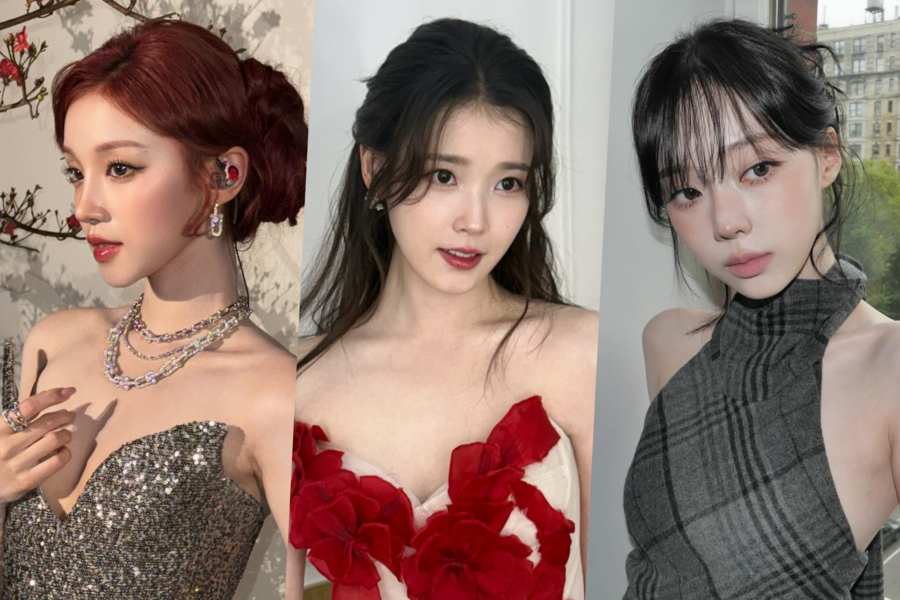

In K-Pop, visuals are a currency, but a select few idols trade in something rarer: a regal aura. This analysis moves beyond simple beauty rankings to dissect the specific blend of poise, elegance, and commanding presence that makes an idol seem born for royalty. We examine seven female idols who embody this elite tier, exploring how their visuals, stagecraft, and personal branding create an unmistakable air of sophistication that dominates both concepts and campaigns.
Table of Contents
- What Defines a 'Regal' Visual in K-Pop?
- Which Idols Are the Modern Blueprint for Royalty?
- How Do Stage Personas Amplify the Royal Vibe?
- Can 'Off-Duty' Style Still Feel Regal?
- Why Do Luxury Brands Covet This Aura?
- What's the Cultural & Historical Context?
- How Can You Spot & Appreciate Regal Visuals?
- Frequently Asked Questions (FAQ)
What Defines a 'Regal' Visual in K-Pop?
It's a term often used but rarely defined. A regal visual isn't just about symmetrical features or fair skin—it's a holistic impression of innate nobility, composure, and grace that seems to transcend the stage.
The Pillars of a Princely Persona
This aura is built on three core pillars. First, physical poise: impeccable posture, measured gestures, and a gaze that is confident without being confrontational. Second, elegant refinement in styling, favoring clean lines, luxurious fabrics, and a color palette that whispers rather than shouts. Third, an intangible commanding stillness—the ability to hold a room's attention not through hyperactivity, but through potent, calm presence.
More Than Just a "Cold" Face
It's crucial to distinguish regal from simply "cold" or "aloof" visuals. While some regal idols can execute a fierce, icy concept perfectly, the core of their appeal often includes a layer of benevolent warmth or wisdom. Think of a queen who is both respected and beloved, not just feared. This duality allows them to excel in a wider range of concepts, from tragic historical dramas to elegant love songs.
This nuanced appeal is similar to the dignified grace public figures sometimes must display, a quality we analyzed in our piece on Ju Ji Hoon's handling of a sensitive media question. It’s about controlled power.
Which Idols Are the Modern Blueprint for Royalty?
Based on industry discourse, fan perception, and their consistent embodiment of these traits, seven idols stand as contemporary benchmarks for the regal visual.
The Epitome of Elegance: IVE's Jang Wonyoung & aespa's Karina
Jang Wonyoung redefined the "nation's center" role with a princess-like elegance. Her visuals are characterized by a delicate, doll-like perfection combined with surprisingly mature poise. From her red carpet walks to her music show hosting, every movement is calculated yet fluid, embodying a modern-day crown princess trained from birth in etiquette and grace.
Karina of aespa offers a more futuristic, sovereign-like regality. Her sharp features and tall stature give her a commanding physical presence, while her execution of aespa's complex lore positions her as a leader from another world. She carries the aura of a queen from a high-tech dynasty, blending otherworldly beauty with unwavering confidence.

The Masters of Poise: Girls' Generation's Yoona & Red Velvet's Irene
As veterans, they provide the classic textbook definition. Yoona has, for over 15 years, been the standard for clean, approachable, yet untouchably elegant beauty. Her regality lies in its consistency and grace under pressure, mirroring a monarch who has reigned through multiple eras of change with her dignity intact.
Irene is renowned for her precise, porcelain-doll beauty and a gaze that can be both piercing and serene. Her regal quality is more contained and intense, like a queen who speaks sparingly but whose every word carries immense weight. Her presence in group formations often serves as the immovable, elegant anchor.
The Embodiment of Grace: BLACKPINK's Jisoo & TWICE's Tzuyu
Jisoo embodies a traditional, hanbok-suited noble grace. Her classic Korean beauty and often demure, lady-like demeanor project an aura of old-money aristocracy. Even in BLACKPINK's fierce concepts, her moments of stillness and her expressive, elegant eyes maintain that noble thread, proving regality can coexist with powerful performance.
Tzuyu possesses a statuesque, graceful beauty that evokes the quiet strength of a young royal. Her tall frame is always carried with a gentle poise, and her visual storytelling in music videos often paints her as the ethereal, sometimes tragic, royal figure—a role she inhabits naturally due to her innate elegance.
The Rising Sovereign: LE SSERAFIM - PUREFLOW pt.1: What Just Landed" rel="internal">LE SSERAFIM's Kim Chaewon
As a leader, Kim Chaewon showcases a new, assertive form of regality. Following her group's concept of "fearless" elegance, her regal vibe is that of a self-made queen. It's less about inherited nobility and more about earned authority, seen in her confident stage leadership and a visual tone that balances soft features with a steely, determined gaze.
Idol Group Core Regal Trait Conceptual Archetype Jang Wonyoung IVE Princess-Like Perfection & Poise The Crown Princess Karina aespa Futuristic Command & Sovereignty The Tech-Queen Yoona Girls' Generation Consistent, Graceful Elegance The Enduring Queen Irene Red Velvet Precise, Porcelain-Doll Intensity The Silent Sovereign Jisoo BLACKPINK Traditional Noble Grace The Aristocratic Lady Tzuyu TWICE Statuesque & Ethereal Grace The Ethereal Royal Kim Chaewon LE SSERAFIM Assertive, Earned Authority The Self-Made QueenHow Do Stage Personas Amplify the Royal Vibe?
The recording studio is one thing, but the stage is where regality is battle-tested. It's where poise meets power.
Command Through Stillness and Eye Contact
Watch any fancam of these idols during a performance's quieter moment or their center part. They don't fidget. Their gaze is directed with purpose, often holding the camera or scanning the audience with a sense of ownership. This controlled use of stillness amidst choreography creates powerful, memorable highlights that scream confidence and control—key royal attributes.
Choreography as Courtly Ritual
Their execution of dance moves often emphasizes clean lines, sharp angles, and graceful extensions rather than pure raw power. Even in intense choreography, there's a sense of precision and refinement, as if every movement is a deliberate part of a courtly ritual. This is evident in concepts like IVE's "Eleven" or LE SSERAFIM's "EASY," where elegance is woven into the performance DNA.
Can 'Off-Duty' Style Still Feel Regal?
True regality isn't a costume; it's a demeanor that permeates even casual settings, especially visible in airport fashion and variety shows.
Airport Fashion as Diplomatic Attire
For these idols, the airport is a runway. Their off-duty style often leans into "quiet luxury": well-tailored trench coats, simple but high-quality knits, structured handbags, and a minimalist color palette. The goal isn't to be the loudest, but to exhibit a timeless, composed elegance that suggests good taste is innate, not purchased. It’s the visual equivalent of speaking softly but carrying a big stick.
Variety Show Dignity
On chaotic variety sets, they often play the "graceful straight man" or the elegantly amused observer. They might engage in games, but rarely lose their composure entirely. This ability to be engaging and warm while maintaining a core of dignity is a hallmark of their regal brand, making them relatable yet perpetually admirable.
Why Do Luxury Brands Covet This Aura?
The connection between regal idols and luxury endorsements is no accident. It's a perfect alignment of brand values.
Embossing Brand Heritage
Luxury houses like Dior, Cartier, or Chanel sell stories of heritage, craftsmanship, and exclusive elegance. An idol with a naturally regal aura doesn't just wear the clothes; she embodies the brand's aspirational story. She looks like she was born to wear those jewels, not just paid to advertise them. This authentic fit creates powerful, believable marketing that resonates globally.
This commercial power mirrors the strategic brand-building seen in major group projects, such as the analysis we conducted on BTS's record-breaking "SWIM" and its impact on their 2026 resurgence.
The Trust Factor
Regality implies taste, discernment, and a certain level of exclusivity. When an idol known for this aura endorses a product, it carries an implicit message: "This item meets my high standards." This transfers a sense of trust and elite validation to the consumer, driving desire far more effectively than a simple celebrity shout-out.
What's the Cultural & Historical Context?
This fascination with regal visuals isn't created in a vacuum. It taps into deep-seated cultural narratives and modern aspirations.
The "Hwan-gyeong" Fantasy
Korean historical dramas ("sageuk") have long romanticized the elegance, tragic beauty, and power struggles of royalty. The visual codes of these dramas—the hanbok silhouettes, the ornate hairpins, the dignified bearing—have seeped into the public consciousness. Idols with regal visuals naturally slot into this beloved narrative framework, allowing fans to engage in a modernized "hwan-gyeong" (palace) fantasy.
Modern Aspiration and Empowerment
Today, regality is less about birthright and more about self-possession. An idol like Kim Chaewon represents this shift. Her aura speaks to a generation that aspires to claim authority through their own competence and fearless attitude. It's a regality of merit, which resonates powerfully in a competitive, modern society.
How Can You Spot & Appreciate Regal Visuals?
Training your eye to see beyond standard beauty makes you a more discerning fan and critic.
Look Beyond the Face
Instead of just focusing on facial features, watch their body language in interviews, their walking posture at airports, and their resting expression during group interactions. Do they have a calm center? How do they handle unexpected moments? The regal quality often shines brightest in unscripted reactions that reveal their ingrained poise.
Analyze Concept Photos & MV Roles
Pay attention to the roles they are given in music video storytelling. Are they often the centerpiece in a tableau? Do they play characters with authority, wisdom, or tragic grace? Stylists and directors consciously cast based on these innate auras. Following their evolving concepts on our News page can reveal how agencies leverage this trait.
Frequently Asked Questions (FAQ)
Q: Is a "regal visual" the same as being the "visual" of the group?
A: Not necessarily. The official "visual" position is designated by the company and can encompass various beauty types (e.g., cute, sexy, charismatic). A regal visual is a specific sub-type of aura that an idol may possess, whether they hold the official title or not. Some groups' official visuals might excel in a more approachable or fierce beauty.
Q: Can male idols have regal visuals too?
A: Absolutely. The principles are similar: poise, commanding presence, and elegant refinement. Idols like EXO's Suho, BTS's Jin in certain concepts, or ASTRO's Cha Eunwoo often exemplify a princely, dignified visual that fits this category. It's a rich topic worthy of its own separate analysis.
Q: Doesn't this concept promote elitism or unrealistic standards?
A: It's a valid critique. The discourse can veer into overly exclusive territory. However, many fans appreciate it as an artistic and narrative archetype—one of many in K-Pop's diverse palette. The key is appreciating it as a specific performance of persona, not the sole standard of worth. The industry's strength is in its variety, as seen in the bold solo pivots of groups like AEGIS, which we covered here.
Q: How do I find more idols with this vibe?
A: Start by exploring groups known for elegant or mature concepts. Look at choreography that emphasizes lines and grace. Dive into our comprehensive Artists page and filter by groups like IVE, aespa, Red Velvet, and LE SSERAFIM - PUREFLOW pt.1: What Just Landed" rel="internal">LE SSERAFIM to study member profiles and concept photos for starters.
Conclusion & Your Next Steps as a Fan
The regal visual is a fascinating, multi-layered aspect of K-Pop's idol ecosystem. It blends traditional aesthetics with modern empowerment, physical beauty with performance psychology, and personal aura with commercial strategy. The seven idols discussed here are masterclass examples, each offering a distinct flavor of nobility.
To deepen your understanding, we encourage you to re-watch their content with a critical eye. Analyze their fancams, their fashion choices, and their brand campaigns. Compare how their regality manifests differently. Furthermore, explore how this concept interacts with others in the industry, such as the groundbreaking, convention-defying approach of artists like ADÉLA in "KGB".
By moving beyond surface-level appreciation, you engage with K-Pop on a deeper, more rewarding level—understanding the careful construction of idol personas that captivate millions. Now, who will be the next idol to claim the throne?