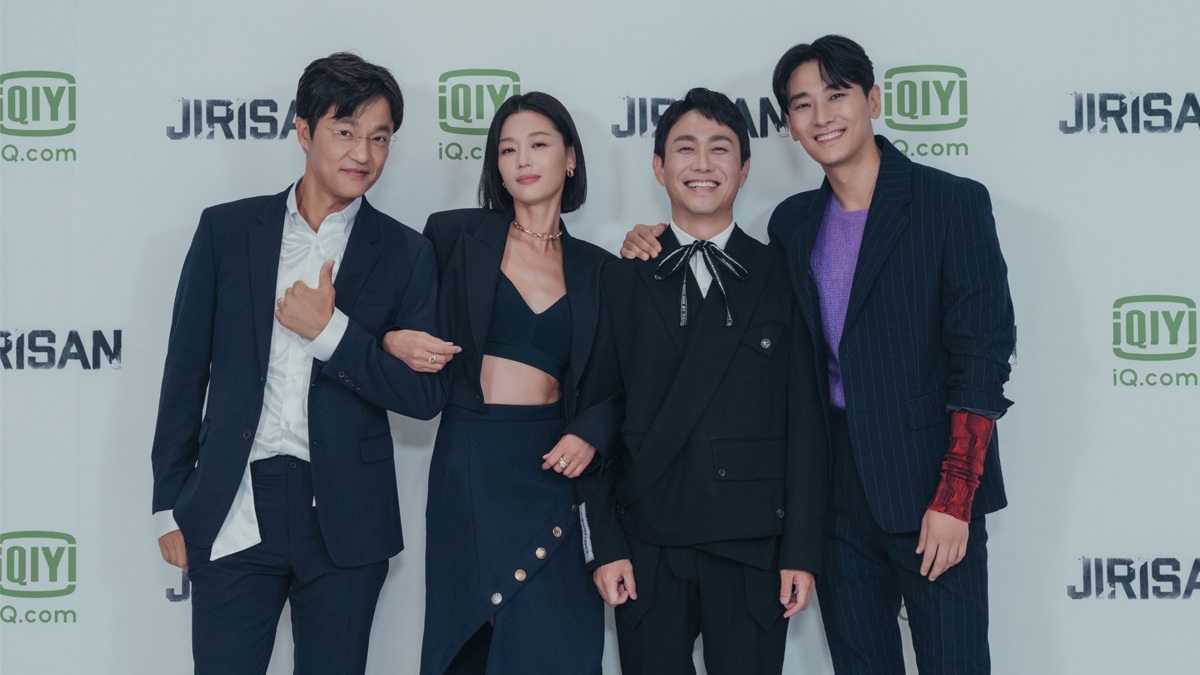
When actor Ju Ji Hoon deftly navigated a racially insensitive question at a recent international press event, he did more than just handle a moment—he demonstrated a masterclass in modern celebrity media diplomacy. This incident is a direct reflection of the high-stakes, globally-aware media training now fundamental to the K-Pop industry. For idols and actors alike, the ability to deflect bias with poise and wit is no longer optional; it's a critical career skill that protects personal reputation, group dynamics, and the broader perception of Korean culture on the world stage.
- Why This Moment Matters Beyond the Viral Clip
- The K-Pop Media Training Blueprint: From Rookies to Veterans
- Case Studies: When K-Pop Idols Face Culturally Sensitive Questions
- Actionable Lessons: What Idols & Agencies Can Learn
- The Bigger Picture: Cultural Diplomacy & Soft Power
- FAQ: K-Pop, Media, & Navigating Sensitive Topics
Why Does One Actor's Response Matter to the K-Pop World?
At first glance, an actor's press conference moment might seem distant from the glittering world of K-Pop. However, the ecosystems are deeply intertwined. Both operate under the intense scrutiny of a global audience, where a single misstep can spiral into an international incident. Ju Ji Hoon's response is a textbook example of a principle every major idol agency now drills into its artists: control the narrative.
The Shared Battlefield of Global Press
K-Pop groups like BTS, BLACKPINK, and rising fourth-generation acts regularly sit for interviews with media outlets from dozens of countries, each with varying levels of cultural understanding and, at times, unconscious bias. The questions posed to Ju Ji Hoon—rooted in reductive stereotypes—are of the same genus as those that can surprise idols abroad: questions about plastic surgery, dating, national politics, or cultural appropriation. The battlefield is the same.
Protecting the Brand & the Group
For an idol, an individual's response is never just their own. It reflects on their group members, their agency, their fandom, and by extension, their country's entertainment industry. A defensive or flustered answer can create a controversy that overshadows a comeback. A graceful deflection, however, can elevate the entire group's reputation for professionalism and intelligence. This is why analyzing a veteran actor's calm handling is directly relevant; it showcases the ideal outcome agencies strive for.
The K-Pop Media Training Blueprint: From Rookies to Veterans
The polished, often charmingly cautious, demeanor of K-Pop idols in interviews is no accident. It is the product of a rigorous, multi-layered media training regime that begins pre-debut and evolves throughout a career.
The Pre-Debut Foundation: Scripts and Scenarios
Trainees are taught foundational interview etiquette: how to sit, how to listen, and how to always mention their group and fandom. They rehearse answers to predictable questions about their concepts, roles, and aspirations. Crucially, they are also drilled on red-flag topics. Role-playing sessions simulate awkward or invasive questions, teaching trainees to identify them and deploy approved deflection tactics without breaking smile.
Advanced Crisis Simulation for Veteran Acts
For established acts promoting globally, training becomes more sophisticated. Agencies employ consultants to run simulations based on real, problematic questions from past international press tours. Idols practice pivoting from a tricky question back to their core message—their music, their performance, their gratitude. They learn to use humor, as Ju Ji Hoon did, to disarm a situation without being dismissive. This level of training is evident when senior idols seamlessly handle unexpected moments on live Western talk shows.
The Role of Leaders and Spokespersons
In groups, certain members are often subtly positioned as primary spokespersons for more complex or sensitive topics. These members, typically the leader or the most fluent in the interview language, receive extra coaching. Their role is to intercept or reframe difficult questions, much like a point guard in basketball, directing the conversation flow to protect younger or less confident members. This internal system is a key component of group media strategy.

Case Studies: When K-Pop Idols Face Culturally Sensitive Questions
History provides several instances where idols have been put on the spot, with responses ranging from awkward to admirable. The contrast highlights the importance of preparation and presence of mind.
The Deflective Pivot: A Common and Effective Tactic
Many top idols excel at the "positive pivot." When asked a question that borders on stereotype, they acknowledge the query briefly before steering the conversation toward a related, but positive and controlled, topic. For example, if asked about the "pressure of being a K-Pop star," a well-trained idol might pivot to discussing their "passion for performing and meeting fans' high expectations," thus reframing the narrative from one of stress to one of dedication.
Direct but Diplomatic Correction
In rarer, more confident moments, some veterans have gently corrected misconceptions. This requires immense tact to avoid sounding confrontational. It involves phrases like, "Actually, I think there's a wider variety of styles in K-Pop now..." or "That's an interesting perspective, but our focus has always been on..." This approach, similar to Ju Ji Hoon's, educates without alienating.
The Table of Response Styles
Scenario Type Ineffective Response Effective Response (Ju Ji Hoon Style) K-Pop Parallel Reductive Cultural Question Awkward laughter, vague agreement, or visible discomfort that validates the premise. Wit followed by a broadening correction. ("That's a classic thought, but actually...") An idol asked if all K-Pop is "just like BTS" pivoting to discuss their group's unique color and genre diversity. Invasive Personal Question Shutting down coldly or revealing too much in surprise. Polite boundary-setting with a professional redirect. ("I appreciate your curiosity, but tonight I'd love to talk about the project.") An idol deflecting a direct dating question by smiling and asking the interviewer about their favorite song on the new album. Politically Adjacent Question Feeling compelled to answer and stumbling into a controversy. A firm, pre-prepared neutral statement that declines to engage. ("As an artist, my goal is to connect people through music.") A group at an international event using a unified, agency-vetted statement about unity and peace when asked about regional tensions.Actionable Lessons: What Idols & Agencies Can Learn
Ju Ji Hoon's moment wasn't magic; it was mechanics. Here are the concrete takeaways for the K-Pop industry.
Empower Artists with Knowledge, Not Just Scripts
Training must move beyond memorized answers. Idols should understand the *why* behind sensitive topics—the historical or cultural context that makes certain questions problematic. An idol who understands why a question about "Westernization" is reductive is better equipped to handle it thoughtfully than one who just knows to avoid it. This builds genuine confidence.
Develop Personality-Driven Wit, Not Robotic Replies
The most effective deflections feel human. Agencies should work with artists to develop deflection styles that match their on-stage personas: the witty member can use light humor, the thoughtful member can offer a philosophical redirect, the cheerful member can pivot with infectious optimism. This prevents responses from sounding corporately canned.
Post-Event Analysis is Crucial
After every major press tour, agencies should debrief not just on logistical issues, but on Q&A content. Which questions caused tension? Which answers landed well? This intelligence feeds back into the training for the next comeback, creating a living, evolving media strategy. Analyzing external cases, like this actor's, should be part of this process.
We saw a different kind of media navigation recently with rookie groups making bold statements through music. For instance, in our review of DXMON's "SSS", we noted how the group carves its identity in a competitive landscape—a parallel to carving out a safe space in interviews.
The Bigger Picture: Cultural Diplomacy & Soft Power
Ultimately, every international interview is a soft power negotiation. Ju Ji Hoon wasn't just defending himself; he was subtly advocating for a more nuanced understanding of Korean artists.
Idols as De Facto Diplomats
The Korean government has long acknowledged the diplomatic value of Hallyu. Idols, often unintentionally, become cultural ambassadors. Their conduct in press situations directly impacts perceptions of Korean professionalism, education, and social grace. A successful handling of a tricky question can do more for Korea's modern image than a dozen official brochures.
Shifting the Narrative from Product to Person
For years, a critique of K-Pop has been the perceived "manufactured" nature of its stars. Graceful, intelligent, and unscripted-seeming interactions in high-pressure media settings are the most powerful tool to dismantle this stereotype. They showcase the individual's intellect and poise, proving they are not just performers, but sophisticated global communicators. You can track how artists build these personas through their work on our Charts page, where musical success often parallels public perception.
The Ripple Effect on Industry Standards
When a senior figure like Ju Ji Hoon sets a high standard, it raises the bar for everyone. It signals to fans and media alike that Korean entertainment professionals expect to be treated with respect and intellectual engagement. This elevates the entire industry's standing and puts pressure on international media to prepare better, more informed questions for all Korean artists, from veteran actors to our rising idols.
FAQ: K-Pop, Media, & Navigating Sensitive Topics
Q: Do K-Pop idols get specific training for Western media vs. Asian media?
A: Absolutely. Training is often region-specific. Western media training might focus more on individual expression, humor, and handling direct or personal questions. Asian media training might emphasize group harmony, formal respect, and navigating a wider array of local broadcast formats. The core principle of preparedness, however, remains universal.
Q: Why don't idols just call out offensive questions more directly?
A> While satisfying in theory, a direct confrontation is high-risk. It can dominate headlines, detract from the artistic message, and be misconstrued as aggressive, potentially harming the group's brand and fan relationships in that region. The strategic goal is usually to neutralize the question's impact while maintaining a positive, open demeanor to keep the broader audience engaged.
Q: Has the rise of social media made this easier or harder for idols?
A> Both. It's harder because a single clip can go viral without context, forcing a 24/7 awareness. However, it's also easier because idols and agencies now have direct channels (like Weverse or Bubble) to clarify intent or provide context to their fanbase immediately, bypassing traditional media spin if necessary.
Q: How do rookie groups today compare to past generations in handling media?
A> Newer groups are arguably more prepared from day one. They debut into a fully globalized K-Pop scene, with agencies acutely aware of international pitfalls. While they may lack the experience of veterans, their baseline training is more comprehensive regarding global cultural sensitivity. You can see this global-ready confidence in recent debuts and comebacks covered on our News page.
Q: Can a member's individual response style ever hurt the group?
A> Unfortunately, yes. If one member consistently gives overly candid, controversial, or flippant answers, it can create a "loose cannon" narrative that forces other members to manage fallout and can make interviewers target that member for sensational questions. This is why unified messaging and role assignment within the group are so heavily emphasized.
Conclusion: The New Imperative for Global Stars
Ju Ji Hoon's graceful handling of an insensitive question was more than a viral win; it was a case study in modern celebrity survival. For the K-Pop industry, it underscores a non-negotiable truth: in the global arena, artistic talent must be matched by media acuity. The ability to navigate complex cultural conversations with wit and wisdom is now part of the job description. It protects the artist, safeguards the group's endeavors, and advances the sophistication of Hallyu as a whole.
The next time you see your favorite idol charming an international host, remember the immense preparation behind that smile. Their success in that chair ensures their success on the stage, allowing the music—like the impactful tracks from 5TION or the bold concepts of DXMON—to remain the central focus. As fans and observers, we should recognize and appreciate this subtle art form, for it is what allows the music we love to resonate in a respectful and global context.