
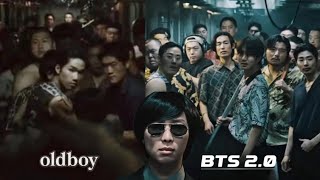

In a move that once again proves their mastery of narrative and cultural reference, BTS has dropped a music video that is equal parts cinematic tribute and comedic romp. Released on April 2 at midnight KST, the video for “2.0,” a B-side from their freshly minted album “ARIRANG,” is a direct and delightfully twisted homage to Park Chan-wook’s iconic 2003 vengeance thriller, “Oldboy.” However, in true BTS fashion, the hallmarks of the film’s brutal, claustrophobic hallway fight are reimagined not with hammers and desperation, but with flying ramyeon packets, squeaky toy hammers, and the group’s impeccable comedic timing. This release is less a comeback and more a statement of artistic playfulness, showcasing the seven members in a state of pure, unadulterated creative joy.
The video instantly sparked a wildfire of reactions across social media, with ARMY dissecting every frame for references, meme-worthy moments, and subtle hints about the song’s place in the group's evolving lore. Coming during a period defined by individual chapter activities, “2.0” and its accompanying visual serve as a powerful reminder of the group’s unparalleled synergy and their willingness to tackle complex inspirations, filter them through their unique lens, and deliver something that is simultaneously an homage, a parody, and a celebration of their own journey. For a deeper look at the group's enduring legacy, explore our Artists page.
From "Dynamite" to "ARIRANG": BTS's Continual Reinvention
To fully appreciate the nuance of “2.0,” one must understand the context of this release. BTS is operating from a position of unprecedented stability and creative freedom. Having cemented their status as global icons, completed mandatory military service, and renewed their contracts with HYBE, the group has entered what many industry watchers call their "second chapter." This era is characterized by a confident blending of their hard-won global pop sensibility with a deeper, often more introspective return to their Korean roots and personal artistic identities.
The album “ARIRANG” itself is a testament to this duality. Named after the centuries-old Korean folk song that symbolizes suffering, resilience, and hope, the title suggests a project of deep cultural resonance. Yet, the lead singles have showcased their signature genre-blending pop prowess. “2.0,” as a B-side, represents the creative playground within this framework—a space where they can experiment with sound and concept without the pressure of a title track. This mirrors a trend seen across the industry where artists use B-sides and accompanying content for more personal or experimental statements, a move recently exemplified by former Pentagon member Kino in his solo debut. As explored in our analysis "Kino's 'Taxi' Signals a Daring, Unfettered New Journey", this shift towards unfiltered artistic expression post-group activities is reshaping the K-Pop landscape.
The "Oldboy" Legacy and Its Place in Korean Pop Culture
Park Chan-wook’s “Oldboy” is more than a film; it is a cultural touchstone. Its infamous single-take hallway fight scene, where the protagonist Oh Dae-su battles a swarm of henchmen with a hammer, is studied in film schools worldwide for its technical brilliance and visceral impact. It is a scene of raw, exhausting violence. For BTS to choose this as their reference point is a bold, knowing wink. It acknowledges a shared Korean cinematic heritage while deliberately subverting its grim tone. This isn't the first time K-Pop has drawn from iconic cinema, but it is perhaps one of the most specific and playful direct references from an act of BTS's stature, signaling a confidence to engage with their own culture's art on a sophisticated, meta-textual level.
Deconstructing the Hallway Brawl: A Scene-by-Scene Breakdown of "2.0"
The “2.0” music video is a masterclass in aesthetic replication and tonal inversion. From the opening shot, the visual language of “Oldboy” is meticulously recreated. The dim, green-tinged fluorescent lighting, the grimy, nondescript corridor, and the static, wide-angle camera perspective are all faithfully adopted. The members, led by Kim Seokjin in the Oh Dae-su role (complete with a strikingly similar disheveled suit and determined glare), line up with a palpable, if exaggerated, sense of grim purpose.
And then, the chaos begins—but it’s a chaos of absurdity. Instead of a steel hammer, Jin wields a comically small, yellow squeaky toy hammer. The attacking “henchmen,” played by the other BTS members and a troupe of backup dancers, don identical suits but their weapons include baguettes, a flying cup of instant noodles, and in Jung Kook’s case, a whirlwind of playful, almost dance-like combat moves. The “brutal” fight devolves into moments like V casually being hit with a ramyeon packet, or SUGA delivering a deadpan expression while entangled with a dancer.
"It’s the perfect metaphor for this chapter of BTS. They’ve fought through the industry’s most grueling hallway. Now, they can revisit that struggle, that iconic imagery, and transform it into something joyful and communal. The battle is behind them; the play is now." - Kim So-young, pop culture critic for The Korea Herald.
The song itself, “2.0,” provides the sonic backdrop to this mayhem. It’s a funky, upbeat track driven by a retro synth bassline and hip-hop rhythms, a departure from the orchestral angst one might expect from an “Oldboy” tribute. Lyrically, it speaks to renewal, upgrade, and facing new challenges with a refreshed perspective—“Same me but a new version / Level up, no more diversion.” This creates a fascinating dissonance: the visuals reference a dark past (both cinematically and perhaps metaphorically for their own career struggles), while the music and performance point firmly toward a bright, liberated future.

Styling and Directorial Nuances
Beyond the fight, the styling choices are deliberate nods. Jin’s suit is a direct replica, while the other members’ variations on formalwear suggest different facets of the same struggle. The direction, credited to longtime collaborator Lumpens, expertly balances frame-perfect homage with BTS’s inherent charisma. Close-ups capture not pain, but the members barely containing their laughter, breaking the fourth wall and inviting the audience into the joke. The video concludes not with solitary victory or despair, but with the seven members together, laughing and panting in a heap on the floor—a triumphant, communal image of camaraderie that completely rewrites the original film’s lonely ending.
ARMY's Decoding Frenzy: Memes, Theories, and Collective Joy
The fan reaction was immediate and volcanic. Within hours, “#BTS_2.0_Oldboy” was trending globally. Social media platforms split into parallel modes of engagement: pure comedic celebration and deep-dive analysis.
On one side, meme factories went into overdrive. GIFs of Jin’s squeaky hammer swing, slow-motion shots of ramyeon impacting V’s face, and edits comparing the original film scenes to the BTS version flooded timelines. TikTok and Instagram Reels saw fans attempting to recreate the “fight” with household items, further amplifying the video’s reach through user-generated content. The sheer, unscripted-seeming joy on the members' faces became the biggest talking point, with fans citing it as a healing, heartwarming watch. “After all they’ve been through, seeing them have this much fun together is the greatest gift,” wrote one fan on Weverse, a sentiment echoed hundreds of thousands of times.
On the analytical side, ARMY’s famed detective skills were on full display. Theorists connected the “2.0” concept to the group’s overall “second chapter” narrative, suggesting the video symbolizes them conquering and humorously reframing the trials of their first decade. The corridor was interpreted as the music industry itself, the henchmen as past obstacles or criticisms, now rendered harmless and laughable. Some even linked the number of attackers, the color symbolism, and specific choreography moments to older BTS music videos, creating a complex web of interconnected lore. This dual reaction—both superficial fun and deep analysis—is a unique hallmark of the BTS-ARMY dynamic and a key driver of the content’s longevity. For the latest in how fan sentiment can shape idol news, the recent wedding announcement controversy offers a stark contrast, detailed in "I Do' or 'I Don't'? GLAM-T's Haneul's Fairy-Tale Wedding Announcement Met With Devastating Fan Fury".
Industry Impact: Redefining the "Reference" in K-Pop MV Production
The “2.0” video is poised to have a significant ripple effect within the K-Pop industry. Firstly, it raises the bar for cinematic reference. While many MVs use vague aesthetic nods or brief homages, this is a full-scale, scene-specific recreation with a deliberate comedic twist. It expects the audience to be culturally literate, rewarding those who get the joke with a deeper layer of appreciation. This encourages a move away from purely aesthetic plagiarism toward more transformative, commentary-driven referential work.
Secondly, it reinforces the power of BTS’s brand of group-centric content during a period of solo activities. In an era where individual member schedules often dominate, a project that so emphatically highlights their chemistry and shared sense of humor is a powerful reminder of their core identity. It strengthens the fan community’s bond to the group as a unit, ensuring that solo success feeds back into, rather than detracts from, the collective brand. This strategic balance is something every agency managing top-tier groups with active soloists will be studying closely.
Furthermore, the video’s success—measured in views, buzz, and critical praise—validates a less-serious, more internally-driven approach. It didn’t require a blockbuster budget of CGI landscapes or a high-concept fantasy plot. Its value came from an ingenious idea, flawless execution, and the authentic personalities of the members. This could inspire a shift toward content that relies more on clever concepts and idol charisma than pure production scale. However, as with all HYBE moves, commercial strategy is never far behind. The wave of positive sentiment here stands in sharp contrast to recent fan discontent over merchandise, as analyzed in "The Price of Purple: BTS's 'NYEL' Merchandise Launch Sparks Unprecedented ARMY Revolt", highlighting the delicate balance the company must strike between artistic innovation and commercial demands.
The Global-Cultural Dialogue
On a global scale, the video acts as a cultural bridge. It introduces international audiences to a cornerstone of Korean cinema through the accessible, beloved medium of K-Pop. Conversely, it shows domestic and culturally-aware audiences that BTS, despite their global fame, are still deeply connected to and playful with their own cultural context. This two-way dialogue is a cornerstone of their soft power and enhances the perception of K-Pop as a culturally sophisticated, self-aware industry.
Looking Ahead: "ARIRANG," the Chapter, and Beyond
The “2.0” music video is not a standalone stunt; it is a vibrant piece of the “ARIRANG” puzzle. It elevates a B-side into a major talking point, encouraging deeper engagement with the entire album. Fans are now streaming “2.0” with renewed interest, looking for lyrical connections to the video’s themes of upgrade and reframed battles. This strategy effectively ensures that every track on the album receives its moment in the spotlight, a savvy move in the playlist-driven music economy.
For BTS’s ongoing “second chapter,” “2.0” sets a tone of confident, joyful artistry. It suggests that their future group projects will be characterized by this blend of high-concept inspiration and personal expression, unshackled from industry formulas. As they prepare for promised group activities later this year, including potential tour dates and more music, this video serves as a beacon of their creative direction: one that is introspective yet fun, culturally grounded yet universally engaging, and always fundamentally rooted in the irreplaceable synergy of the seven.
The laughter echoing through that cinematic corridor is a powerful sound. It is the sound of artists at the peak of their powers, not taking themselves too seriously, but taking their art very seriously indeed. It promises that whatever comes next from BTS, it will be on their own terms, full of meaning, and undoubtedly, full of surprises. Stay tuned to our News page for all updates on their upcoming endeavors and breaking K-Pop stories.