
The clock struck 1 p.m. KST, and the digital shores of the internet braced for a tidal wave. On March 20, after a period of service, reflection, and immense global anticipation, BTS did not simply drop a music video; they inaugurated a new epoch. The release of the cinematic music video for “SWIM,” the title track of their fifth studio album “ARIRANG,” is more than a comeback—it is a meticulously charted declaration of intent, a poetic navigation through the waters of personal history, national identity, and artistic maturity. From the first frame, it’s clear: this is not the BTS of 2020, nor is it a mere continuation. This is a group that has consciously shed one skin and is learning to breathe in a new, self-determined atmosphere, inviting ARMY to witness every vulnerable, triumphant stroke.
From Hiatus to Homecoming: The Journey to "ARIRANG"
The path to “SWIM” and ARIRANG is inextricably woven with a timeline familiar to every fan, yet profoundly transformative for the artists themselves. The group’s decision to pursue mandatory military enlistment in phases, beginning with Jin in late 2022, initiated an unprecedented period of suspended animation for the global music industry. While members pursued solo projects—from Jimin’s record-breaking “Like Crazy” to V’s jazzy “Layover”—the absence of BTS as a septet created a vacuum, one filled with longing, speculation, and a burning question: How would they return?
The answer began to crystallize not with a typical, flashy teaser campaign, but with whispers of a deep, cultural resonance. The album title “ARIRANG” itself is a monumental clue. More than a folk song, Arirang is a living tapestry of Korean emotion—a melody of sorrow, joy, resilience, and love that has soundtracked the peninsula’s history for centuries. For BTS to claim this name is an act of profound artistic audacity and homecoming. It signals a move away from explicitly globalized pop narratives towards a rooted, intimate exploration of their own identity, a theme they’ve touched on but never centered an entire era around so completely. This shift mirrors a broader industry trend of heritage reclamation, as seen in projects like T.O.P's 'ANOTHER DIMENSION', though BTS scales it to a panoramic, group-wide philosophy.
“This album feels like returning to the very soil we grew from, but with the eyes of people who have seen the world,” an industry insider close to BigHit Music shared with K-Beats on condition of anonymity. “It’s not nostalgia. It’s archaeology of the self, using ‘Arirang’ as both map and compass.”
Dissecting the Depths: "SWIM" as a Visual and Sonic Manifesto
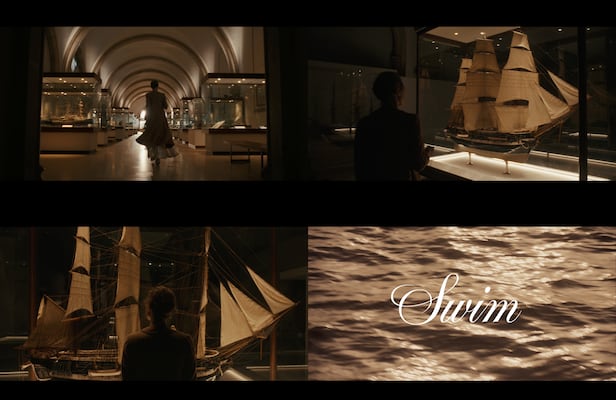
The “SWIM” music video is a masterclass in layered storytelling, directed with an arthouse sensibility that prioritizes metaphor over manicured performance shots. It opens not on the members, but on vast, churning waves and the silhouette of a lone ship—an immediate tone-setter of a journey fraught with both peril and promise.
Visual Symbolism: Water, Vessels, and Voyage
Water is the dominant motif, serving as a multifaceted symbol throughout the eight-minute visual. It represents the passage of time, the flood of memories, the weight of expectation, and the necessity of movement. Scenes oscillate between the members struggling against turbulent ocean currents—visibly fatigued, yet persistently moving forward—and moments of serene, submerged reflection. The use of an old, weathered ship (named “ARIRANG” in a fleeting, poignant shot) connects their personal voyage to a collective, historical one. Notably, the video avoids grandiose, synchronized choreography in its first half, focusing instead on individual struggles and epiphanies. Choreography emerges later, not as sharp, attacking movements, but as fluid, wave-like motions that seem born from the water itself, a powerful visual metaphor for adaptation and flow.
The styling furthers this narrative of organic rebirth. Gone are the crisp, luxury-brand suits of their “Butter” era or the dystopian uniforms of “ON.” Instead, the members wear layered, textured fabrics that look lived-in—linen, heavy cotton, wool—often soaked through, clinging to them like a second skin. The color palette is earthy and muted: stormy blues, deep browns, off-whites, and slate greys. It’s a deliberate aesthetic stripping-back, emphasizing raw humanity over idol polish, a conscious step that resonates with broader conversations about authenticity in the industry, much like the discourse sparked by moments such as Jungkook's past viral moments that challenged perceptions of idol perfection.
Sonic Architecture: A Folk-Infused Electro Soul Odyssey
Sonically, “SWIM” defies easy genre categorization, creating a new lane entirely. It begins with a haunting, minimalist interpolation of the traditional “Arirang” melody played on a distant, echoing flute, immediately grounding the track in heritage. A subdued, heartbeat-like kick drum enters, followed by RM’s low, ruminative spoken-word intro. The production, led by longtime collaborators Pdogg and Hiss Noise alongside the members’ direct input, builds gradually. Warm, analog synth pads swell underneath a rhythm section that feels more organic than programmed, incorporating the subtle texture of live bass and brushed percussion.
The vocal performances are uniformly breathtaking in their emotional delivery. Jin’s crystalline high notes now carry a weathered, soulful weight. V’s baritone serves as the song’s anchoring bedrock. Jimin and Jungkook’s ad-libs in the final chorus are less technical showcases and more cathartic releases. The rappers—RM, SUGA, and j-hope—weave their verses with a poetic density that recalls their early work, but with the wisdom of experience. SUGA’s verse, in particular, references “still feeling the chill of that long winter,” a likely allusion to the group’s hiatus period. The track never erupts into a typical EDM drop or a bombastic hip-hop break; its power is cumulative, rising like a tide that finally, gently, washes over the listener.

ARMY's Emotional Tsunami: A Global Fandom Reunited
The release triggered an immediate and visceral reaction across social media platforms, the scale of which demonstrated that ARMY’s connectivity had only deepened during the separation. On Twitter/X, the hashtags #SWIM, #ARIRANG, and #BTS_Comeback dominated global trends within minutes, accompanied not just by celebratory posts, but by lengthy, analytical threads dissecting every symbol in the MV.
“I cried not just because they’re back, but because of *how* they’re back,” wrote one fan with over 100k followers. “This feels like they’re sharing their therapy with us. The struggle in the water, the final scene of them together on the shore looking back… it’s our shared journey.” Fan communities on platforms like Weverse and TikTok became hubs for collective interpretation, with users overlaying the “Arirang” folk lyrics with the “SWIM” lyrics to demonstrate thematic parallels. The emotional response transcended language, focusing on the universal feelings of perseverance and healing.
This deep, analytical engagement highlights a shift in the fan-idol dynamic post-enlistment. ARMY is engaging with this comeback not merely as consumers, but as fellow travelers who have also matured. The conversation is less about record-breaking goals (though those are undoubtedly in motion) and more about shared growth, mirroring the group’s own evolution. This mature symbiosis sets a new precedent for how veteran groups and their fandoms can interact, moving beyond the frenzy of newness to a deeper, more resonant partnership.
Industry Ripples: The "ARIRANG" Impact on Charts and Culture
The commercial and cultural impact of “SWIM” and ARIRANG is instantaneous and multifaceted. Pre-orders for the physical album shattered previous records, signaling not just sustained, but expanded demand. On streaming platforms, the album is performing a clean sweep of real-time charts, while “SWIM” is poised to debut at the summit of global Spotify and Apple Music charts. However, the true significance lies beneath these impressive numbers.
Firstly, BTS is single-handedly redirecting the mainstream K-pop conversation towards artistic introspection and cultural depth. At a time when the industry’s fourth generation is often defined by hyper-competition and genre-blending speed—exemplified by ambitious rookies like AMPERS&ONE plotting their “DEFINITION”—BTS’s confident, slow-burn approach is a powerful statement. It proves that the pinnacle of success is not constant noise, but the privilege of profound quietude and meaning.
Secondly, the choice of “Arirang” elevates the entire cultural discourse around K-pop. It seamlessly integrates a foundational element of Korean soft power—traditional folk heritage—with the genre’s globalizing force. This moves K-pop’s contribution beyond catchy hooks and impressive choreography, positioning it as a legitimate vessel for sophisticated cultural transmission. Music critics and cultural commentators outside the K-pop sphere are already noting the album’s artistic merit, framing it as a landmark work in contemporary popular music, period.
Finally, it resets the blueprint for the “post-enlistment comeback.” The industry has long grappled with how veteran male groups can re-enter a market they helped define but that has evolved in their absence. BTS, by returning not with a desperate attempt to recapture past sounds or chase current trends, but with a mature, self-assured, and conceptually rich work, has charted a viable and respected path forward. They are competing not with others on our Charts page, but with their own legacy, on their own terms.
The Horizon Ahead: What "SWIM" Signals for BTS's Future
“SWIM” is not an endpoint; it is the first stroke in a new, expansive chapter. The music video’s concluding scene—the seven members standing together on a misty shore, looking calmly at the vast ocean they’ve just crossed—is deliberately forward-looking. So, what lies on the other side?
The ARIRANG album rollout is expected to be extensive, with multiple promoted tracks and content that will further unpack the album’s themes. Promotional activities will likely balance rare, intimate performances—perhaps on shows like *You Hee-yeol’s Sketchbook* that favor live vocal showcases—with grand, symbolic stages at major award shows. A world tour is undoubtedly in the advanced planning stages, but its format may evolve. Expect a concert experience that leans into the album’s cinematic, narrative quality, possibly with more live band instrumentation and theatrical staging, rather than a purely high-energy spectacle.
On a broader scale, “SWIM” solidifies BTS’s evolution from global pop stars to artist-elders and cultural statesmen. Their creative output will likely continue this trajectory of depth, potentially involving more direct curation, production mentorship for younger artists, or collaborations within the traditional Korean arts sphere. Their individual pursuits, now validated by successful solo chapters, will continue to inform and enrich the group’s palette, creating a dynamic feedback loop. As they continue to navigate their unique position, every move will be scrutinized, but “SWIM” demonstrates they are now steering the ship with a firm and steady hand, guided by the stars of their own making.
The voyage of BTS has always been compelling, but with “SWIM” and ARIRANG, it has gained a new, profound gravity. They have not just returned; they have transformed, offering a piece of art that is both a mirror to their journey and a lantern for the path ahead. For ARMY and the industry alike, the message is clear: the deepest waters often hold the most valuable treasures. To explore more about the artists shaping this evolving landscape, visit our Artists page for ongoing coverage and analysis.