
The digital streets of K-Pop fandom are a constant, churning river of content, theories, and inside jokes. But on April 1st, that river often floods its banks with creativity, absurdity, and the occasional stroke of genius. This year, a single post didn't just cause a ripple—it ignited a blaze. What began as a fansite's playful April Fools' Day joke evolved into a full-fledged, fan-driven phenomenon, casting two of the industry's most unseen figures into a blinding, albeit temporary, spotlight. The "Buja Boys"—two previously anonymous security guards—were suddenly given the full, unadulterated K-Pop idol treatment, complete with a group name, concept photos, a fandom, and a debut narrative. This wasn't just a prank; it was a meticulously crafted mirror held up to the very mechanics of K-Pop stardom itself.
From Viral Moment to Fandom Lore: The Origin of the "Buja Boys"
To understand the scale of the April Fools' event, one must first trace the spark back to its source. Weeks prior to April 1st, a series of candid photos and short clips began circulating on Korean social media platforms and fan communities. The subjects weren't idols, but the stern-faced security personnel tasked with managing the chaotic crowds at music show recordings and airport arrivals. Among them, two guards stood out—not for any lapse in duty, but for a striking combination of sharp professionalism and visual appeal that fans quickly latched onto.
The Anatomy of a Viral Guard
Dubbed "Guard A" and "Guard B" by netizens initially, the duo possessed attributes that perfectly aligned with, and yet humorously contrasted, idol culture. "Guard A" was noted for his intense, charismatic gaze and strong jawline, earning comparisons to actors like Lee Jong-suk in his more serious roles. "Guard B," with a slightly kinder demeanor and a memorable smile that rarely broke through his professional exterior, was quickly adopted by fans as the "visual" and "mood-maker" of the unofficial pair. Their completely unintentional rise to minor fame echoed a previous incident we covered in The Viral Guard, highlighting a recurring fascination with the "unsung faces" of the industry's infrastructure.
Fansites, typically dedicated to capturing every micro-expression of their bias, began occasionally including the guards in photo sets, captioning them with playful tags like "#ProtectingMyBiasLiterally" or "#TheRealVisualsOfMusicBank." This gentle meme-ification set the stage. The guards became known entities within niche fan circles, symbols of the often-overlooked human ecosystem that allows K-Pop to function. They were respected for their work, but also quietly appreciated for adding an unexpected, handsome element to the periphery of fancams.
The April Fools' Masterstroke: A Parody Debut for the Ages
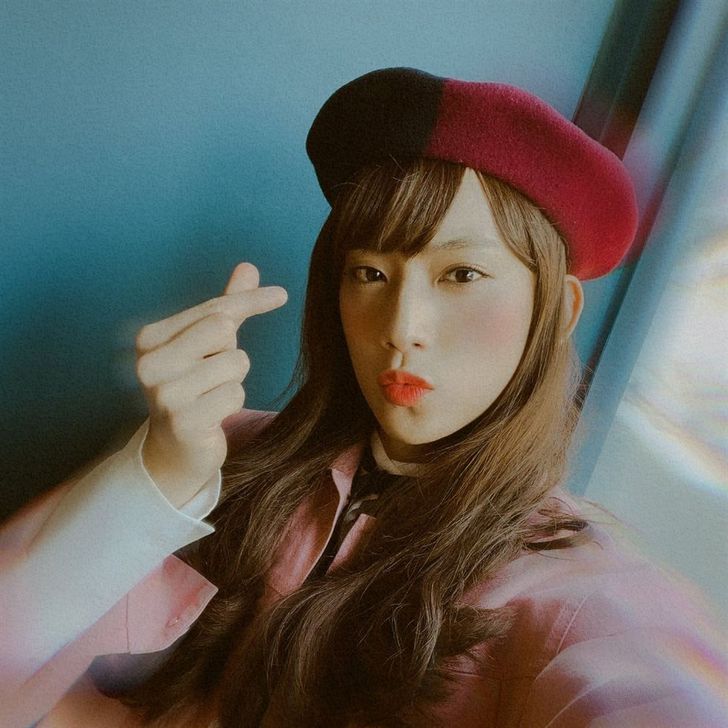
On the morning of April 1st, a popular fansite known for its high-quality content for a top-tier boy group posted not the usual idol photos, but a stunning, professionally edited concept photo. It featured the two security guards, now dressed not in black suits and earpieces, but in high-fashion, avant-garde streetwear reminiscent of NCT's or ATEEZ's more conceptual shoots. The lighting was dramatic, the posing was intentionally idol-esque, and the graphic design was flawless. The caption read: "Annyeonghaseyo, Buja Boys imnida."
"We wanted to play with the idea of what 'debut' means in our space. These two men are professionals who see our idols every day, who are part of the backdrop. What if, for one day, the backdrop became the main characters? It's a tribute to them, but also a joke about how fast our fandom culture can build a narrative." — Anonymous statement from the fansite mastermind.
Building the Buja Boys Universe
The joke, however, didn't stop at a single photo. The fansite, likely collaborating with other creative fans, launched a full-scale parody campaign that expertly mimicked the K-Pop debut playbook:
- Group Identity: The name "Buja Boys" was a clever pun. "Buja" can mean "fire" in a certain context (relating to the Korean word for fire, 'bul'), but it's also a homophone for "security" or "guard" (보우자, bowuja). It tied their real profession to a typical idol group's fiery concept.
- Concept Teasers: A series of three more "teaser images" dropped throughout the day, each with a different theme: "Duty & Discipline" (monochrome, serious), "Guardian & Grace" (softer, with symbolic keys and locks), and "Ignition" (the fiery, debut-ready shot).
- Fandom Creation: The fandom was christened "Keystones" (a play on both the idea of being foundational and "key" to security). A fan-made logo quickly spread.
- Mock Debut Schedule: A fake timetable circulated, listing a "Music Video Teaser Drop" at 6 PM KST and a "Virtual Stage Debut" at midnight.
- The Faux "Title Track": The piece de resistance was a 90-second "concept video" uploaded to YouTube. It spliced together existing, dramatic footage from various sources—drones flying over cityscapes, slow-motion shots of gates closing, cinematic fire effects—with the few clear shots of the guards on duty. Over it, a fan-used an AI voice model (presented as a quirky production choice) to "narrate" the track "Bul-taneun (On Duty)," with lyrics about protection, vigilance, and burning with silent intensity.
This thoroughness is what elevated the prank from a simple meme to a cultural event. It demonstrated an intimate, encyclopedic knowledge of K-Pop's promotional rhythms, from the types of concept photos to the naming conventions. For a few hours, the line between reality and parody was deliciously blurred.
Fandom as Co-Conspirator: The Keystones' Explosive Reaction
The reaction across Twitter, Instagram, and forums like Instiz and Pann was instantaneous and overwhelmingly participatory. Fans, understanding the joke perfectly, decided to play along with absolute sincerity, which became the funniest part of all.

"Keystones" began trending worldwide as fans created fan art, edited the guards' faces onto idol bodies in famous dance practices, wrote fanfiction about the "Buja Boys" backstory (one popular thread imagined them as former special forces agents turned idols), and even crafted detailed "position" analyses. Debates erupted over who was the main visual, the leader, the main rapper. Memes comparing their "stage presence" (stone-faced professionalism) to certain idol's "duality" flooded timelines.
"I haven't stanned a group this hard since 2016. Their visuals are no joke, their concept is airtight, and their dedication to their craft (actual security) is inspiring. Buja Boys, fighting! Keystones, let's get them a win on our Charts page!" — @Keystone_Prime on Twitter.
Other idol fansites joined in, Photoshopping their own biases standing behind the Buja Boys as if they were the seniors welcoming a new group. The joke became a unifying, cross-fandom event, a testament to the community's shared language and its ability to collectively build a narrative. Crucially, the tone remained respectful toward the guards themselves; the humor was aimed at the idol-making process, not at the individuals. It was a celebration of fandom's own creative power, a meta-commentary performed with glee.
Beyond the Laughs: Industry Implications of a Meta-Moment
While hilarious, the Buja Boys phenomenon holds up a revealing lens to several key aspects of the modern K-Pop industry. First, it underscores the sheer power of visual narrative. The two guards were slotted into existing idol archetypes—the intense, charismatic one and the sweet, smiley one—with ease, proving how potent and recognizable these templates are. It connects to deeper conversations about visual casting, as explored in our report on Beyond the Formation.
Second, it highlights the blurring lines between idols and the "supporting cast." From handsome camera directors to charismatic backup dancers, the audience's gaze is expanding. The parasocial relationship, typically reserved for idols, is now tentatively extended to those in proximity to them, a fascinating evolution in fan culture.
Most significantly, the event was a masterclass in fan-driven content creation. Using only existing tools—social media, photo editing software, video editors—a group of fans executed a promotional campaign that rivaled, in creativity and engagement, real company-led debuts. It begs the question: in an age where fandom literacy is so high, what is the new role of the agency? It also casts a shadow on issues of resource allocation, reminiscent of debates covered in The HYBE Hierarchy, but from the opposite direction: here, maximal effort was spent on a zero-budget, non-commercial project for pure communal joy.
The parody also subtly critiqued the sometimes-absurd seriousness of debut lore. By applying epic, world-building terminology ("Guardian & Grace," "Ignition") to two men doing a job, it highlighted how the industry can build monumental narratives out of thin air—and how willingly fans embrace them.
What Comes After the Fire? Legacy of a Joke
As the clock struck midnight on April 2nd, the "Buja Boys" project officially ended. The fansite replaced its header with a "Thank You Keystones" graphic. The YouTube video was unlisted. The fervor died down to a warm, nostalgic glow in fan communities. But what is the lasting impact?
For the two security guards, life has likely returned to normal, albeit with perhaps a newfound and bemused recognition. Their agencies (their actual security companies) have made no comment, likely preferring to maintain their employees' privacy and professionalism. The hope is that the joke brought them a moment of amusement rather than discomfort.
For the industry, it's a brilliant case study in organic engagement. Marketing teams across labels are undoubtedly dissecting the event, noting the power of collaborative, fan-inclusive humor and the appeal of "authentic" characters plucked from the edges of the K-Pop world. Could we see companies formally incorporating background figures into lighthearted content? The line between a respectful nod and exploitation would be delicate.
For fans, the legacy is one of shared memory. The "Buja Boys" will join a pantheon of legendary K-Pop fandom in-jokes—a story told to new fans years from now about the time the community collectively willed a security-duo superstar into being for 24 hours. It reinforced the creative, bonding power of fandom at its best.
Ultimately, the Buja Boys saga was more than an April Fools' prank. It was a love letter to K-Pop's own grammar, written by its most fluent speakers: the fans. It celebrated the visual culture, the promotional pomp, the passionate community, and even the unseen workforce, all through the playful, transformative lens of parody. It reminded everyone that at the heart of this global phenomenon is a capacity for joy, creativity, and connection that can, on any given day—even April 1st—ignite something unexpectedly brilliant. To explore more unexpected stories from the world of K-Pop, visit our News page for continual updates and analysis.