
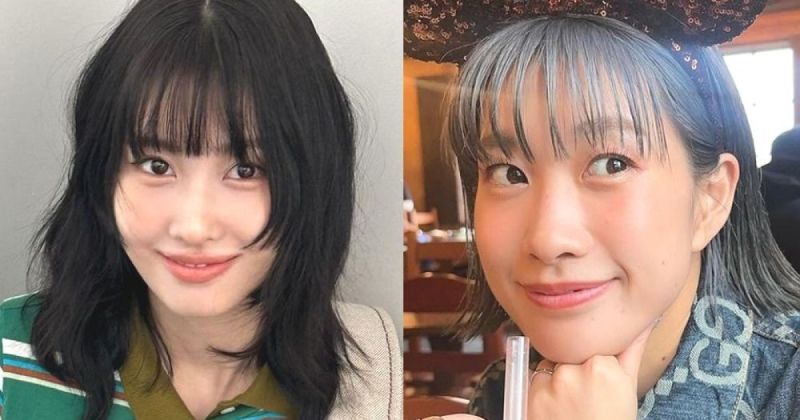

TWICE's Momo recently revealed a harrowing medical ordeal, stating she "had no choice" but to undergo a drastic, life-threatening procedure due to extreme weight management demands. This confession is not an isolated incident but a stark lens into the systemic pressures, contractual obligations, and health risks embedded within the K-Pop industry's pursuit of the "ideal idol." This analysis delves beyond the headlines to examine the complex interplay of agency mandates, personal agency, and the industry's duty of care, exploring the historical context, the medical and legal ramifications, and the evolving power dynamics that may finally force a reckoning.
- The Momo Incident: What Actually Happened?
- Agency Pressure vs. Artist Autonomy: Where is the Line?
- Legal Loopholes: Can Idols Truly Consent?
- A Comparative Look: How Do Other Agencies Handle Health?
- Fan Power and the Shift in Public Sentiment
- FAQ: Your Questions Answered
- Conclusion: The Path Forward for K-Pop
The Momo Incident: What Actually Happened?
While Momo, a main dancer and vocalist of the global powerhouse TWICE, did not specify the exact medical procedure, her emotional disclosure on a live broadcast painted a picture of coercion and desperation. Her statement, "I had no choice. I could have died," points to a severe health intervention mandated not by medical necessity, but by the rigid, often brutal, physical standards tied to her career trajectory. Industry insiders speculate this could range from extreme liposuction to other invasive surgical or medical treatments aimed at rapid, dramatic weight loss, often scheduled during intense pre-debut or comeback preparation periods where time is treated as an enemy.
Context: The "Seven Days" Diet Precedent
To understand the gravity of this recent confession, one must revisit Momo's own past. She has previously described a notorious "seven days" diet undertaken just before TWICE's official debut stage. This regimen allegedly consisted of consuming only ice cubes for a week, with a single sweet potato on the final day to provide enough energy to perform. At the time, this anecdote was circulated within fandom spaces and variety shows as a shocking yet almost admirable testament to an idol's dedication and sacrifice. In the wake of her new revelation, that story is critically reframed. It is no longer a singular tale of hardship but a documented precursor—a clear indicator of an established pattern within her management where extreme, unhealthy physical modification was normalized as a prerequisite for success.
The Psychology of "No Choice"
The phrase "I had no choice" is the chilling core of this incident. For a trainee or a rookie idol, a company directive is not a suggestion; it is an ultimatum wrapped in the language of opportunity. The power imbalance is absolute. An idol's entire identity and future are often consciously constructed by the agency over years of training. To refuse is to risk being labeled difficult, uncooperative, or ungrateful. The consequences are severe and tangible: being cut from a debut lineup at the eleventh hour, facing indefinite "hibernation" without activities, being saddled with crushing debt from training costs, or suffering a reputational blacklisting that makes future endeavors nearly impossible. In this context, "choice" is an illusion. Compliance becomes synonymous with professional survival, creating a psychological environment where even dangerous requests are rationalized as necessary steps on the path to one's dream.
Medical Realities and Silent Suffering
The mention of a life-threatening procedure brings the discussion from one of pressure to one of concrete physical danger. Rapid, significant weight loss, especially when induced or augmented by medical means, carries severe risks including:
- Metabolic Damage: Drastically slowing the basal metabolic rate, making future weight maintenance incredibly difficult and promoting rapid regain.
- Nutrient Deficiencies & Organ Stress: Leading to hair loss, brittle bones, hormonal imbalances, and placing extreme stress on the heart and kidneys.
- Psychological Impact: Exacerbating or triggering eating disorders like anorexia or bulimia, body dysmorphia, anxiety, and depression.
- Surgical/Procedural Risks: Any invasive procedure carries risks of infection, adverse reactions to anesthesia, blood clots, and long-term complications.
These are not hypotheticals but documented health crises that have plagued the industry for years, often shrouded in vague "health hiatus" announcements that mask the true cause.
Agency Pressure vs. Artist Autonomy: Where is the Line?
The controversy lies in defining the boundary between legitimate image management—a reality in any entertainment field—and systemic abuse. Agencies historically defend strict regimes as essential for market competitiveness, arguing that the "idol" is a holistic product where visual appeal is as crucial as talent. However, this business model increasingly conflicts with modern standards of ethical employment and human rights.
The "Visual" as a Contractual Obligation
It is an open secret within the industry that trainee and idol contracts frequently include codified clauses related to "appearance management" or "body maintenance." These are not informal guidelines but enforceable stipulations. Regular, often public, weigh-ins are a documented practice in some companies. Weight targets are set, sometimes with monetary fines or reduced promotion opportunities for non-compliance. This frames the idol's body not as their own, but as company asset to be meticulously regulated, blurring the line between professional expectation and personal violation.

Duty of Care: A Fiduciary Responsibility?
Legally and morally, agencies hold a duty of care over their artists, who often begin training as minors. This duty extends beyond providing dance instructors and vocal coaches. It includes ensuring a safe working environment and reasonable health standards. Pushing an artist toward a medically dangerous procedure, especially without providing independent medical counsel or full disclosure of risks, constitutes a profound abdication of this responsibility. The line is unequivocally crossed when health directives transition from maintenance (e.g., encouraging a balanced diet and gym access) to enforced dangerous alteration (e.g., mandating starvation or surgery). The agency's role shifts from manager to coercive agent.
"The industry standard has long been that the company's vision is paramount. What we're seeing now is a necessary, painful reassessment of whether that vision should ever override an individual's fundamental right to bodily autonomy and safety. Momo’s statement isn't just a personal story; it's evidence in a larger case against a broken system." – Industry Cultural Critic, Lee Hye-rin
Case Study: The Generational Divide in Management
The pressure is not uniformly applied. Senior, established artists often gain significant leverage to push back against such mandates, using their commercial success as a shield. In contrast, rookies and trainees, particularly those from smaller agencies desperate for a breakthrough, remain the most vulnerable. This creates a two-tiered system where the public image of an agency can be shaped by the autonomy of its top stars, while its unseen practices are inflicted on its newest, most powerless members.
Legal Loopholes: Can Idols Truly Consent?
The principle that consent under duress is invalid is a cornerstone of law and medical ethics. Momo’s situation presents a textbook case for examining how this principle dissolves within the K-Pop trainee system.
The Power Imbalance and Coercion
A trainee may sign a contract at 14 or 15, often with parental co-signature, binding them to a company for years. They accrue substantial debt for training, housing, and living expenses—a debt only recouped upon successful debut and profit-sharing. When a company official, who controls their dream and financial destiny, "recommends" or "strongly advises" a procedure, the subtext is clear: compliance is the price of your future. This is not a free exchange between equal parties; it is coercion camouflaged as career advice. The idol’s "yes" is often a surrender to overwhelming pressure, not an informed choice.
Regulatory Gaps in the Entertainment Industry
South Korea’s standard labor laws struggle to encompass the unique "trainee-to-idol" model. Idols are frequently classified as "independent contractors" or fall under special entertainment industry clauses. This classification can cleverly sidestep standard workplace health and safety regulations, maximum working hour laws, and robust protections against harassment that would apply to conventional employees. Furthermore, the Korea Entertainment Management Association lacks the regulatory teeth to enforce industry-wide ethical standards, leaving accountability to public scandal and market forces.
Precedent and the Limits of Law
While no high-profile case identical to Momo’s has gone to court, past lawsuits hint at the legal terrain. Cases often center on unfair profit distribution or restrictive contract lengths (the "slave contract" issue), not specifically on enforced medical procedures. This legal gray area means an idol seeking redress would face an uphill battle, needing to prove direct causation and a clear breach of a specific duty—a daunting task against large corporate legal teams. The lack of precedent itself acts as a deterrent to legal action.
A Comparative Look: How Do Other Agencies Handle Health?
The industry is not a monolith. A palpable generational and philosophical shift is underway, creating a spectrum of approaches from archaic rigor to modern wellness.
Agency/Approach Reported Health & Image Philosophy Notable Actions, Incidents, & Policy Indicators Traditional Rigor Model(Common in older 2nd/3rd Gen agencies) Image is a rigid, non-negotiable brand component. Strict weekly/bi-weekly weigh-ins, mandated diet plans (often severely calorically restricted), and public commentary on members' bodies are reported as normalized practices. Historical accounts from various idols about "one meal a day" rules, being berated for weight gain, and "good" vs. "bad" food lists provided by companies. Locker room weigh-ins described as routine and humiliating. Modern Wellness Focus
(e.g., HYBE Labels, some 4th Gen-focused agencies) Emphasizes sustainability and longevity. Prioritizes mental health with in-house counseling, employs nutritionists for balanced meal planning (not restrictive diets), and focuses on fitness for performance stamina and health, not just aesthetics. HYBE's public partnership with a mental wellness app; SM Entertainment establishing a "Content & Artist Wellness Center"; JYP's public statements about abolishing weigh-ins (though past practices contradict this). Groups like SEVENTEEN (under Pledis/HYBE) openly discuss having agency-provided balanced meals and fitness support. Artist-Led Advocacy & Rebranding Empowered senior idols use their influence to reject restrictive standards, publicly embrace different body types, and foster a healthier environment for their juniors, sometimes forcing internal policy change. Hwasa (MAMAMOO) consistently challenging beauty norms; BTS's "Love Myself" campaign influencing HYBE's corporate culture; Jessi's unapologetic persona; Sunmi's openness about mental health. These actions create new marketable identities based on authenticity, which agencies then support.
This shift is partly a market response. The global success of artists like BTS and BLACKPINK, whose brands are built on artistry and charisma as much as a specific "look," proves that strict visual uniformity is not the only path to profit. For a deeper look at artists actively seizing their creative and personal narrative, read our analysis of BIBI - Perfect Crown Pt.1: What Just Landed.
Fan Power and the Shift in Public Sentiment
The fan reaction to Momo's revelation has been seismic and transformative. Modern fandoms, armed with social media and a global perspective, have evolved from defensive shields into proactive accountability watchdogs.
From Protection to Forensic Accountability
Earlier fandom culture prioritized protecting idols from external criticism (media, anti-fans). Today, the scrutiny is turned inward. Fans now engage in "forensic" support—analyzing schedule density, comparing past and present appearances for signs of exhaustion, and dissecting company statements for contradictions. Hashtags like #Protect[IdolName] now target the agency as much as outside threats. Organized email campaigns detail specific grievances, and viral Twitter threads compile historical evidence of mismanagement, creating a powerful, shareable record of corporate failing.
The Economic Leverage of the Conscious Consumer
Fans understand they are the industry's financial engine. This awareness has birthed strategic activism. Boycotts of specific comebacks or products send a direct message. More nuanced tactics include "selective spending"—streaming music and buying digital albums (which benefit the artist directly) while refusing to purchase overpriced, company-driven merchandise or physical album duplicates. This hits revenue without harming the artist's chart performance, demonstrating a sophisticated understanding of industry economics. Fans advocate for "health over heels," celebrating when idols appear stronger and happier, not just thinner.
This engaged, analytical fandom seeks a deeper, more authentic connection, often finding it in the full breadth of an artist's creative output. Discover how this transforms the fan experience in our feature, Beyond the Single: How Discovering K-Pop's Buried B-Side Treasures Can Transform Your Fandom.
FAQ: Your Questions Answered
What could the "life-threatening procedure" have been?
While purely speculative, industry observers and those familiar with extreme weight loss in entertainment point to possibilities like:
1. Extreme/High-Volume Liposuction: Removing dangerous amounts of fat in a single session, risking fat embolism, infection, and contour deformities.
2. Medically Supervised Starvation Protocols: Involving hospitalization or clinical supervision for extreme low-calorie intakes, risking organ failure.
3. Unregulated Injectable or IV "Fat-Dissolving" Treatments: Which can cause metabolic acidosis or tissue necrosis.
The key point is not the precise method, but that it was deemed medically risky and was undertaken due to coercion, not personal health choice.
Could Momo have legally refused the procedure?
In a courtroom, yes, she could have refused. In the real-world context of her career circa pre-debut or early rookie days, a refusal would have been catastrophic. It likely would have meant removal from the TWICE lineup, leaving her with no debut after years of training, potentially liable for training costs, and with a reputation that could hinder signing with another agency. The "choice" was between severe health risk and professional death.
Is JYP Entertainment specifically known for these practices?
JYP has publicly promoted a "healthy" and "family-like" image. However, Momo's own "seven days" diet story originated from her time as a JYP trainee. Other JYP artists, like former Wonder Girls member Sunye and former miss A member Min, have alluded to intense pressure to maintain specific weights. This suggests a systemic industry issue where public branding often diverges from private management practices. The problem is endemic, not exclusive to one agency.
What can international fans do to support idols' well-being?
- Amplify the Right Messages: Use your platforms to praise agencies that give artists health breaks and criticize dangerous practices.
- Engage Economically with Purpose: Support content that showcases talent and personality over just visuals. Celebrate diversity in body types.
- Use Official Channels Constructively: Flood official fan cafe announcements with supportive messages about health, not just demands for more content.
- Educate New Fans: Contextualize shocking "dedication" stories from the past as warnings, not inspiration.
Are things improving for newer generations of idols?
The trend is cautiously positive but uneven. Fourth-generation groups from companies like HYBE and some smaller, ethically-branded agencies often show more stable, healthy physiques and speak more openly about eating regular meals. The proliferation of in-house mental health resources is a real improvement. However, deep-rooted cultural beauty standards and competitive pressures persist. Progress is visible at the top tiers and in progressive agencies, but trainees and rookies across the industry's broad spectrum remain at risk.
Conclusion: The Path Forward for K-Pop
Momo's "I had no choice" is more than a personal confession; it is a watershed moment that fractures the industry's carefully maintained façade. It forces a long-overdue conversation about the limits of agency authority, the ethics of management, and the very definition of "professional dedication." The pursuit of artistic perfection must never be conflated with institutionalized physical or psychological harm.
The path forward is not simple but necessary. It requires:
- Structural Regulation: Advocacy for amended South Korean labor laws that explicitly cover trainee and idol welfare, closing the "independent contractor" loophole for core activities.
- Industry-Wide Standards: The creation and enforcement of a binding ethical code by a reformed management association, with clear guidelines on weight management, mandatory independent health consultations, and whistleblower protections.
- Corporate Cultural Shift: Agencies must internalize that an artist's long-term health and authenticity are valuable, sustainable assets. This means investing in wellness staff and valuing stability over exhausting, rapid-turnover promotion cycles.
- Sustained Fan Advocacy: Continued informed pressure from the global fanbase, using economic and social leverage to reward ethical management and condemn abuse.
The true test for K-Pop will be whether it can transition from a model of top-down control to one of genuine care, collaboration, and respect for the humanity of the artists who are its foundation. The evolution is already visible in the art itself, as artists gain more creative control. To see where this empowerment is leading, explore the latest innovative releases, from the conceptual depths of BTS - SWIM (Underwater Remix): What Just Landed to the unfiltered energy of DJ ASTER - Holy Moly: What Just Landed.