
In the high-stakes visual economy of K-Pop, fashion is far more than just clothing; it is a language of identity, a tool of artistic expression, and a formidable component of cultural soft power. While concepts and music videos offer curated narratives, it is often the off-duty, airport, and personal styling choices of idols that resonate most authentically with fans and fashion insiders alike. Within the HYBE universe, a cadre of male artists has consistently transcended the traditional idol wardrobe, evolving into bona fide style icons whose sartorial choices generate headlines, sell out products, and influence global trends. A recent viral discussion among fans, crystallizing into a ranked list of the top five most fashionable male HYBE idols, isn't merely a popularity contest. It's a revealing snapshot of how personal style, corporate branding, and fan perception intersect to build modern icons.
The HYBE Aesthetic: From Uniformity to Individual Expression
To understand the significance of these individual style journeys, one must first appreciate HYBE's evolving fashion landscape. Historically, K-Pop agencies maintained stringent control over idol images, often outfitting group members in coordinated, concept-specific attire to promote unity and brand recognition. Early days for groups like BTS saw styles that, while trendy, largely adhered to accessible, youth-oriented brands and cohesive group looks. However, as HYBE's artists ascended to unprecedented global prominence, a shift occurred. The agency, and the idols themselves, began navigating the complex world of high fashion, luxury endorsements, and personal style curation.
This transition mirrors the groups' artistic maturation. As they gained creative autonomy and global influence, their fashion evolved from a managed component of their idol identity to an integrated channel of personal and artistic storytelling. The result is a diverse spectrum of styles under the HYBE umbrella: from minimalist luxury and tailored elegance to avant-garde, gender-fluid experimentation and cozy, vintage-inspired streetwear. This environment has fostered what industry analysts call "style sovereignty," where idols have increasing say in their off-stage image, collaborating with stylists to build distinct fashion personas that complement their public identities. For a deeper look at the evolution of HYBE's group identities, visit our dedicated Artists page.
The Gateway: Airport Fashion as a Cultural Phenomenon
No discussion of K-Pop fashion is complete without acknowledging the "airport fashion" spectacle. What was once a mundane travel necessity has been transformed into a runway event, meticulously documented by media and fans. For idols, airports are unique interstitial spaces—not quite a staged performance, yet far from private. Their outfits here balance comfort, style, and statement, often offering the clearest glimpse into their personal tastes. A single sweater worn by an idol like ENHYPEN's Kim Sunoo or a particular bag carried by TXT's Choi Yeonjun can sell out worldwide in hours, a testament to their direct economic impact. This phenomenon underscores how idol fashion sense is judged not just on red carpets, but in these candid, high-pressure transit moments that generate immense social media traction.
"An idol's airport look is their first and last editorial for a schedule. It's unscripted yet fully observed, making it the purest expression of their style narrative," noted a veteran K-Pop stylist in an off-the-record comment.
Deconstructing the Pantheon: A Breakdown of Style Archetypes
The fan-generated ranking, buzzing across platforms like Twitter, Weverse, and TikTok, highlights specific idols who have mastered this narrative. While the exact order fluctuates with every poll, the same names dominate the conversation, each representing a distinct fashion archetype within the HYBE constellation.
The Avant-Garde Trailblazer: Choi Yeonjun (TXT)
Consistently reigning at or near the top of these lists, Choi Yeonjun of TXT is less a trend-follower and more a trend-forger. His style is characterized by fearless experimentation, often blurring the lines of gender norms with skirts, harnesses, and dramatically deconstructed tailoring. Yeonjun treats his body as a canvas for high-concept fashion, embracing bold silhouettes, vibrant dyes, and pieces from designers like Rick Owens, Mihara Yasuhiro, and local avant-garde Korean labels. His influence is profound; he has been credited with popularizing specific accessory trends and making traditionally "feminine" items acceptable and coveted in male idol fashion. His style communicates confidence, artistic rebellion, and a forward-thinking mindset that aligns perfectly with TXT's musical evolution.
The Effortless Luxe Minimalist: Kim Taehyung (BTS V)
Where Yeonjun is bold, Kim Taehyung (V) of BTS exemplifies "quiet luxury" long before the term saturated TikTok. His style is a masterclass in minimalist sophistication, relying on impeccable fit, luxurious fabrics, and a muted, often neutral color palette. Taehyung favors tailored coats, soft knitwear, and sleek silhouettes from houses like Celine (where he is a global ambassador), Givenchy, and Jil Sander. His genius lies in the details—a uniquely tied scarf, an unexpected textural mix, or a single statement piece of jewelry. This approach projects an aura of mature, timeless elegance that has garnered admiration from the fashion industry itself, securing him front-row seats at major fashion weeks and solidifying his status as a global brand ambassador. His style evolution from BTS's bright debut days to his current refined aesthetic tells a story of personal growth and global maturation.
The Eclectic Curator: Jungkook (BTS)
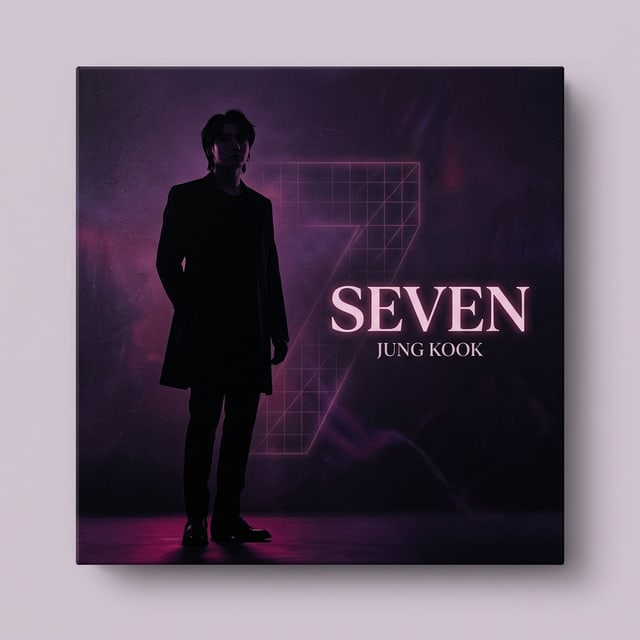
Jungkook's fashion sense is a reflection of his artistic persona: versatile, dynamic, and intensely focused on self-expression. He seamlessly oscillates between styles, from all-black, rugged streetwear adorned with chains and bandanas to soft, oversized vintage fits and sharply tailored suiting. His recent public appearances have highlighted a preference for juxtaposition—pairing a formal blazer with a muscle tee and tattoos on display, or combining luxury items with accessible streetwear brands. This eclecticism makes his style highly relatable and endlessly surprising. He doesn't subscribe to a single house but instead curates a wardrobe that serves his mood and moment, whether he's on a global stage or a personal broadcast. This authenticity resonates powerfully with fans who see fashion as a mode of personal, not prescriptive, expression.

The Vintage-Inspired Moodmaker: Kim Sunoo (ENHYPEN)
Among the younger generation of HYBE idols, ENHYPEN's Kim Sunoo has carved out a unique and influential niche with his vintage, soft-tinged aesthetic. Moving away from the fierce, dark concepts often associated with his group, Sunoo's personal style leans into cozy, retro-inspired pieces: patterned sweaters, corduroy pants, oversized blazers, and accessories like knit scarves and vintage watches. His color palette is often warm and muted, featuring creams, browns, and pastels. This "boy-next-door" meets "vintage curator" style has sparked a significant trend among fans, driving demand for similar thrift and vintage finds. It proves that influence isn't solely about luxury brands; it's about cultivating a distinct and appealing visual mood that others wish to inhabit.
The Sharp Urban Architect: Huening Kai (TXT)
Rounding out these discussions is often Huening Kai of TXT, whose style embodies a polished, architectural approach to urban wear. He excels in structured pieces, clean lines, and monochromatic or tonal outfits that highlight his proportions. Think sophisticated trench coats, perfectly fitted trousers, and layered knits with precise cuts. His fashion sense projects a modern, metropolitan cool—mature and intentional. He often incorporates high-end designers but styles them with an accessibility that focuses on silhouette and form. Alongside Yeonjun, he represents the dynamic fashion duality within TXT, showing how individual members can support distinct style identities that collectively enhance the group's diverse image.
For ongoing charts tracking the impact of these fashion moments on brand rankings and media buzz, our Charts page offers weekly insights.
The Fan Forge: Community, Debate, and Economic Power
The very existence of this ranked debate is fueled by the passionate engagement of fan communities. Platforms like Twitter and Weverse become virtual fashion panels where fans dissect every outfit, identify brands within minutes, and create comparative threads celebrating their bias's style journey. This isn't passive consumption; it's active cultural participation.
Reactions to the ranking are, predictably, fervent and diverse. Many fans applaud the recognition of idols like Sunoo, whose style might be less flashy but deeply impactful. "Sunoo's fashion feels like a warm hug. It's achievable and full of personality, which is just as influential as wearing a major designer," one fan commented on a Weverse post. Conversely, debates flare about the placement of certain idols, with ARMYs advocating for the understated influence of SUGA's streetwear or the chic elegance of Jin. ENGENEs might highlight the growing fashion confidence of other ENHYPEN members. These discussions highlight how fashion has become a key pillar of idol identity and fan pride.
"We're not just arguing about who looks best. We're analyzing curation, brand synergy, and personal authenticity. It's about appreciating fashion as an art form our idols are mastering," explained a moderator of a large fan-based fashion analysis account.
This fan engagement has direct commercial consequences. The "Sold Out King" phenomenon is real, with items worn by these idols experiencing instant sell-outs, sometimes crashing brand websites. This power turns idols into hyper-effective brand ambassadors, even without official titles, and incentivizes luxury houses to forge deeper relationships with HYBE and its artists. However, this intense spotlight also has a darker side, as seen when fan obsession over an idol's schedule and movements can cross serious boundaries, a topic we explored in depth regarding When Fandom Crosses the Line.
Beyond Trends: The Industry-Wide Ripple Effect
The significance of these fashion leaders extends far beyond fan polls and sell-out items. They are active players in reshaping global fashion narratives and the business of celebrity.
Firstly, they are crucial agents in the globalization of Korean fashion. While K-Pop music drives Hallyu, the fashion worn by its top stars drives desire for Korean labels and aesthetics. Idols are increasingly spotted wearing emerging Korean designers, providing them with a global platform that can launch brands internationally. This symbiotic relationship boosts the entire Korean fashion ecosystem.
Secondly, their embrace of gender-fluid fashion accelerates the breakdown of sartorial gender norms in mainstream global youth culture. When idols like Yeonjun confidently wear skirts or integrate traditionally feminine elements, it normalizes these choices for millions of young fans worldwide, fostering a more inclusive conversation about fashion and self-expression.
Finally, it marks a shift in the idol-agency power dynamic. An idol's proven ability to move markets and enhance brand value through personal style gives them greater leverage and becomes a quantifiable asset. This can influence everything from endorsement deals to creative direction. The fashion influence of HYBE's top male idols has even, at times, created fascinating intra-agency dynamics, as different fanbases navigate shared spaces and resources, a tension highlighted during The HYBE Precinct Protest.
The Future of Fabric: What's Next for HYBE's Fashion Vanguard?
As we look ahead, the trajectory points toward even greater integration of fashion into the idol's artistic and commercial portfolio. We can anticipate more idols launching official brand ambassadorships, following in the footsteps of V with Celine. Collaborations are likely to evolve from simple product placement to genuine creative partnerships, perhaps even seeing idols co-designing capsules or collections with major houses.
The next frontier may well be sustainability. As global conversations around ethical fashion intensify, style-forward idols have the potential to become powerful advocates for vintage, upcycling, and sustainable brands, shifting fan purchasing habits toward more conscious consumption. This would align with a broader trend of celebrity activism, akin to the philanthropic efforts seen in other parts of the Korean entertainment industry, such as Park Shin Hye's Silent Crusade for Single-Parent Families.
Ultimately, the fan rankings are a vibrant, living document of cultural impact. They celebrate more than just clothes; they honor the idols' journey in mastering a non-verbal dialect of confidence, artistry, and identity. From BTS paving the king's path to global recognition—a journey not without its controversies, as explored in our News coverage of their comeback staging—to the fourth-generation idols like those in ENHYPEN and TXT writing new style rules, HYBE's male idols are not just wearing fashion. They are weaving the very fabric of contemporary pop culture, one iconic look at a time. Their influence ensures that the conversation around K-Pop fashion will remain as dynamic, debated, and influential as the music itself.