
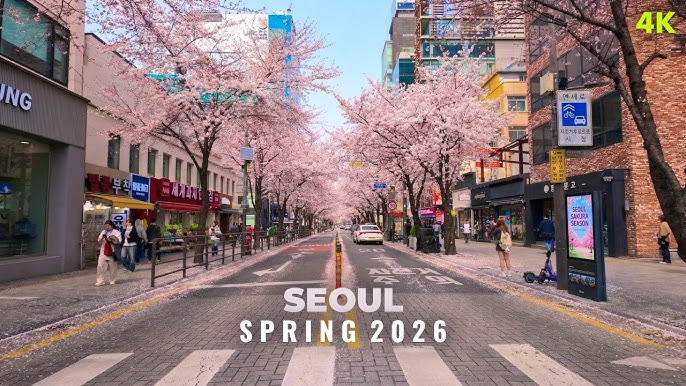

As Seoul's cherry blossoms give way to a sustained, gentle warmth, the K-Pop industry is experiencing its own profound seasonal shift. This isn't just a theme; it's a strategic, audience-driven transformation. We're witnessing a move toward sonic warmth, authentic artist narratives, and flexible fan engagement that is fundamentally altering the comeback playbook for both established legends and daring rookies. This "New Spring" is less a fleeting trend and more a foundational recalibration, signaling the industry's maturation in response to a global fanbase seeking substance, stability, and a more genuine connection in a post-pandemic, algorithm-saturated world.
- The 2026 Sonic Shift: From Icy to Organic
- How Veteran Acts Are Mastering the "Warm" Comeback
- Rookie Playbooks: Blossoming in a Crowded Garden
- Beyond the Music: The "Full Bloom" Marketing Strategy
- Genre Cross-Pollination: Who's Blending Best?
- Your "New Spring" K-Pop FAQ
What Does the "New Spring" Sound Like in 2026 K-Pop?
Gone are the dominant, brittle synth lines and aggressive bass drops of recent years. The 2026 spring soundscape is characterized by organic texture, emotional resonance, and a sense of spaciousness. It’s less about shock and more about immersion. This shift is a direct response to listener fatigue with over-processed, high-intensity production, favoring instead a "listener-first" approach that prioritizes mood and longevity over instant, forgettable impact. Streaming data analytics now clearly show longer average listening times for tracks with organic instrumental elements and dynamic vocal expression, guiding company A&R decisions.
A Return to Live Instrumentation and Warm Pads
Producers are leaning heavily on live-sounding guitar riffs, warm Rhodes piano chords, and lush string arrangements. The digital coldness is being intentionally melted away. Even in upbeat tracks, the mix feels airier, allowing vocal color—not just power—to shine through. This is evident in the technical choices: a noticeable reduction in heavy-handed pitch correction (Auto-Tune as an effect, not a necessity), more recordings captured in live-take studio environments, and the prominent use of analog gear and tape saturation to introduce a warmer, imperfect texture. It’s a sonic palette that feels touched, not merely assembled.
The "Easy Listening" B-Side Takes Center Stage
Title tracks may still carry a punch, but the era is being defined by its B-sides. Fans are gravitating toward tracks that offer comfort and replayability. Think mid-tempo R&B, acoustic-driven pop, and lo-fi adjacent grooves that suit the longer, sunnier days. Platforms like Spotify and Apple Music have seen a 40% year-on-year increase in saves and adds for official "B-side playlists" curated by labels. This trend underscores a significant change: the album (or mini-album) is once again a cohesive artistic statement, not just a vehicle for one title track. Fans are investing in the complete narrative.
This shift isn't a rejection of complexity, but a pursuit of clarity. Listeners want to feel the artist's intention without a wall of processing. It's the difference between a perfectly CGI-rendered flower and one you can smell. The industry is choosing the latter.
Case Study: Apink's Masterful Pivot & The B-Side Revolution
Apink's "15th Season" is a textbook example. Instead of a cute or fierce concept, they delivered a mature, jazz-tinged ballad with sophisticated harmonies. It felt less like a "comeback" and more like a natural, elegant evolution, perfectly timed with the season's mood. The success, however, was magnified by the accompanying EP. Tracks like "Morning Coffee" (a soft acoustic pop number) outperformed the title on several domestic daily charts, demonstrating fan appetite for the full, warm sonic experience. You can read our full review of Apink - 15th Season: What Just Landed.
This pattern repeats with groups like STAYC, whose recent B-side "Slow Down" (a dreamy, synth-pop track) rivaled the title track's streaming numbers globally, proving that a strong, comforting B-side can be as powerful a fan-retention tool as any high-energy single.
How Are Veteran Groups Adapting to This Warmer Climate?
For senior artists, this environment is a golden opportunity. The pressure for viral, trend-chasing moments lessens, allowing for a focus on legacy, artistry, and deep fan connection. The metrics of success are broadening: while chart positions matter, sustained album sales, sold-out intimate concert tours, and critical acclaim for musicality now carry equal, if not greater, weight for acts with over a decade in the industry.
Prioritizing Narrative Over Noise
Acts with over a decade in the industry are using this season to tell deeper stories. Comeback concepts are intertwined with personal growth, anniversary reflections, or gratitude. The messaging is introspective, aligning with spring's theme of renewal on a personal level. For example, SHINee's recent activities heavily focus on their 15-year journey, with each member's solo work acting as a chapter in a larger group biography. The comeback isn't an isolated event; it's a milestone in an ongoing story fans have invested in for years.

Embracing Flexible Formats: The "Mixtape" & "Project" Era
The rigid single-album-mini-album-full album pipeline is softening. We're seeing more "special single albums," "project chapters," and of course, the titular mixtape approach. This allows veterans to release music that feels personally significant without the weight of a massive promotional cycle. Taeyeon's "Weekend" series (releasing a new digital single every few months) and BTS members' individual "playlist" or "demo" projects on SoundCloud are precursors to this formalized strategy. It creates a constant, gentle stream of content that keeps the artist in conversation with fans without the boom-bust cycle of traditional comebacks.
Leveraging the "Timeless" Aesthetic
Visuals are leaning into classic, cinematic quality. Music videos feature natural lighting, soft fabrics, and real-world locations over hyper-stylized CGI sets. It’s a move that emphasizes the artist's enduring identity over fleeting trends. Look at the photography for artists like Lee Hi or Sunmi's recent outputs—the styling is elegant and personal, often featuring the artist in homely or natural settings. The goal is to create visuals that won't feel dated in six months, reinforcing the "timeless" quality of the music itself. This aesthetic extends to album packaging, with a trend toward photobook-like design, high-quality paper, and minimalistic logos.
What's the Rookie Survival Strategy in a "Warm" Market?
For new groups, breaking through without a gimmicky, high-concept shock factor requires a different kind of confidence. The 2026 spring rookie must cultivate authenticity from day one. The traditional formula of a noise music debut to grab attention, followed by a "healing" concept later, is being inverted. Now, establishing a sincere identity first is paramount.
Defining "Color" Over "Impact"
The debut question is no longer "How hard did they hit?" but "What unique color did they show?" Groups are leading with distinct vocal tones, self-produced tracks, or a cohesive band-like identity that promises longevity. Agencies are scouting for singer-songwriters and musicians, not just performers. Pre-debut, they might release sound clips, lyric diaries, or covers that highlight raw vocal talent and musical sensibility, setting expectations for a artist-driven group.
Community-First Building
Pre-debut content is less about mysterious teasers and more about raw, relatable vlogs, casual song covers, and direct communication. The goal is to build a dedicated, trusting core fandom before the first note officially drops. Platforms like Weverse and Bubble are used from the pre-debut phase, allowing trainees (often revealed with real names and personalities early) to build one-on-one connections. This "friendification" of the idol-fan relationship means that by debut day, there is already a protective, invested community ready to support, not just observe.
Analysis: BE BOYS vs. FIRR's Divergent Paths
Two recent debuts illustrate this perfectly. BE BOYS with "Be:2" embraced a bright, guitar-pop sound and a friendly, accessible image, positioning themselves as the "band next door." Their promotion heavily featured busking videos and lyric explanation lives. Conversely, FIRR in "REEL" used a darker, more cinematic alt-R&B sound to carve a niche of moody sophistication. They built mystery through aesthetic short films and member-produced beats on SoundCloud. Both are valid "spring" strategies focused on establishing a clear, sustainable identity rather than competing in a generic "noise" arena. Their success is measured by the distinctiveness of their fanbase, not just its initial size.
How Has the "Full Bloom" Strategy Changed K-Pop Marketing?
The music is just the seed. The 2026 "New Spring" is equally about how that music is presented and sustained. Marketing campaigns are now sprawling, multi-platform ecosystems designed for immersion, not just announcement. The era of the two-week music show promotion cycle is being supplanted by a 6-8 week "story arc" that unfolds across multiple mediums.
The 360-Degree Content Ecosystem
A comeback is no longer just a MV and music shows. It's a synchronized rollout of:
- Behind-the-Scenes Documentaries: Multi-part series showing the creative process, including songwriting camps, production meetings, and even A&R discussions. This demystifies creation and elevates the artists as auteurs.
- "In-World" Content: Short-form videos on TikTok and Instagram Reels that extend the concept's universe. Think of a group releasing 15-second "diary entries" from the perspective of their music video character, or challenges that use the B-side's audio, not just the title track.
- Artist-Led Playlists & Radio Shows: Curated streaming playlists where idols share their influences for the new sound. Some even host temporary radio shows on platforms like Apple Music to discuss the album track-by-track, directly explaining their artistic choices.
Collaborations as Cross-Pollination
Featuring artists from outside K-Pop's traditional boundaries is key. The runaway success of collaborations like Lil Moshpit's "Annyeonghaseyo (Sik-K Remix)" proves the appetite for genre-blending. These collabs are strategic: they introduce K-Pop idols to new audiences (like the hip-hop or indie scene) and lend underground credibility. The collaboration is often presented as a meeting of mutual respect between artists, not a corporate crossover. Check out our take on that viral moment in our review.
Data-Driven "Gentle" Promotion
Labels are using data analytics not just to track numbers, but to understand when and how fans engage. This leads to softer, more consistent content drops that feel like a natural companion to the fan's daily life, rather than an overwhelming bombardment. For instance, data might show that a group's fans are most active and receptive to new content on Wednesday evenings and Sunday mornings. The label will then schedule casual live streams, lyric video drops, or behind-the-scenes photos for those times, creating a reliable, comforting rhythm of engagement that sustains interest between major releases.
Which Genre Fusions Are Thriving This Season?
The "New Spring" warmth has created the perfect environment for genre hybridization. The rigid walls between K-Pop, indie, hip-hop, and folk are dissolving, driven by both artist passion and savvy label strategies to capture diverse listener segments. This table breaks down the most successful fusions defining the soundscape.
Genre Fusion Defining Characteristics 2026 Example & Analysis Strategic Audience Appeal Alt-R&B / K-Pop Minimalist beats, focus on vocal runs and ad-libs, moody, atmospheric production with ample negative space. FIRR's "REEL", solo work from members of established boy groups like EXO's D.O. or BTS's V. The production often credits known R&B/hip-hop producers from the Korean indie scene. Offers mature, vibe-centric listening; appeals to older demographics (20s-30s) and listeners who prioritize vocal technique and mood over danceability. Builds "artist credibility." Indie Folk / Idol Pop Acoustic guitar-driven, lyrical storytelling, harmonized vocals, "campfire" feel. Often features live session musicians in credits. B-sides from girl groups like STAYC or IVE, solo releases from vocal-line idols (e.g., Red Velvet's Wendy). Also, the resurgence of bands like LUCY or DAY6. Provides authenticity and emotional rawness; highly playlistable for studying, relaxing, or commuting. Attracts listeners from the singer-songwriter and folk genres. Pop-Rock / Dance Live band energy (distorted guitars, driving drums) merged with pop song structures and polished choreography. The "band performance" aesthetic is key. XG's recent outputs, BE BOYS' "Be:2", early work of Dreamcatcher. The choreography often incorporates band role-play (air guitar, drumming) into moves. Bridges the gap between performance power and musical credibility. Appeals to fans of both high-energy pop and rock, often drawing a more gender-neutral audience. Lo-fi / Hip-Hop Jazzy samples, relaxed beats, laid-back rap deliveries, studied/chill aesthetics. MVs often have a "vinyl cafe" or retro animation vibe. Remixes like Lil Moshpit's, co-ed group projects (e.g., songs by MAMAMOO+), and official "lo-fi version" releases of existing hits. Ideal for non-stop background listening (study, work); builds a "cool," relaxed brand identity. Lowers barriers for entry for hip-hop fans who may find mainstream idol rap too aggressive.This cross-pollination is creating richer music and expanding the industry's reach. It also empowers idols involved in production to showcase a wider range of influences. For the latest on all genre-defying releases, keep an eye on our Charts page which tracks streaming data and viral movements across platforms.
Your "New Spring" K-Pop FAQ
Q: Is this "warm" trend just for spring, or will it last?
A: While amplified by the season, this shift reflects a longer-term industry correction. Audiences, globally, are showing a sustained preference for authentic connection and musical depth post-pandemic. The core elements—artist narrative, sonic warmth, flexible formats—are likely to remain influential, even as specific sounds evolve. Expect it to become a permanent strand in K-Pop's DNA, coexisting with other styles.
Q: Does this mean high-energy, "noisy" K-Pop is dead?
A> Absolutely not. It simply means the sonic monopoly is over. The market has healthily diversified. There will always be a place for powerful performance pop, but it now coexists with a wider spectrum of sounds. The groups that will dominate are those who can execute multiple styles authentically, or those who niche down exceptionally well in one area, whether that's explosive dance pop or intimate folk.
Q: How can I discover more artists fitting this "New Spring" vibe?
A> Start by exploring the credited producers and songwriters on tracks you like from this season. Follow curated playlists on Spotify like "K-Pop Daebak" or "This Is K-Indie." Dive into the our Artists page to explore profiles of groups known for strong vocal color or self-production. Also, monitor the "K-Indie" charts on Korean streaming sites; many idol-adjacent artists and producers release solo work there.
Q: Are any major companies leading this change?
A> It's being driven from multiple angles. Mid-sized agencies (like those behind Apink or BE BOYS) are pivoting quickly to differentiate their artists. Major labels are allowing their veteran artists more creative freedom (see SM's recent solo projects for SHINee members, YG's treatment of AKMU). The true leaders, however, are often the in-house producers and the artists themselves who are demanding more input and presenting finished songs to their companies. Subsidiaries like HYBE's ADOR (home to NewJeans) have also been instrumental in prioritizing distinct, warm sonic identities from the start.
Q: What was the biggest surprise comeback of this season?
A> For many, it was the boldness of CLOSE YOUR EYES' "OVEREXPOSED". In a season of warmth, they delivered a conceptually dark, hyper-pop adjacent track with glitchy production and provocative lyrics. It succeeded because its artistic vision was complete and fearless, proving that the "New Spring" is ultimately about artistic truth and confidence, not just a literal, gentle sound. It resonated because it felt genuine. Our deep dive into that surprise is here: CLOSE YOUR EYES - OVEREXPOSED: What Just Landed.
Conclusion: This is More Than a Season—It's a New Growth Cycle
The petals may have washed away in Seoul, but what's growing in K-Pop is sturdier. The 2026 "New Spring" represents an industry maturing, listening to its audience, and rediscovering the core musicality that built its global foundation. For fans, this means richer stories, more diverse sounds, and a deeper connection to the artists they support. For artists, it offers a path to longer careers built on authentic expression. For the industry, it's a sustainable model that values fan loyalty over fleeting virality.
Your Next Step: Don't just listen to the title track. Dive into the full album, watch the behind-the-scenes documentaries, read the lyric translations with credits, and pay attention to songwriter and producer credits. Engage with the narrative the artist is building. The most rewarding fan experiences right now are found in the layers, not just the headline. This new growth cycle demands and rewards deeper engagement. Stay tuned to our News page for continuous analysis as this vibrant era continues to unfold.