
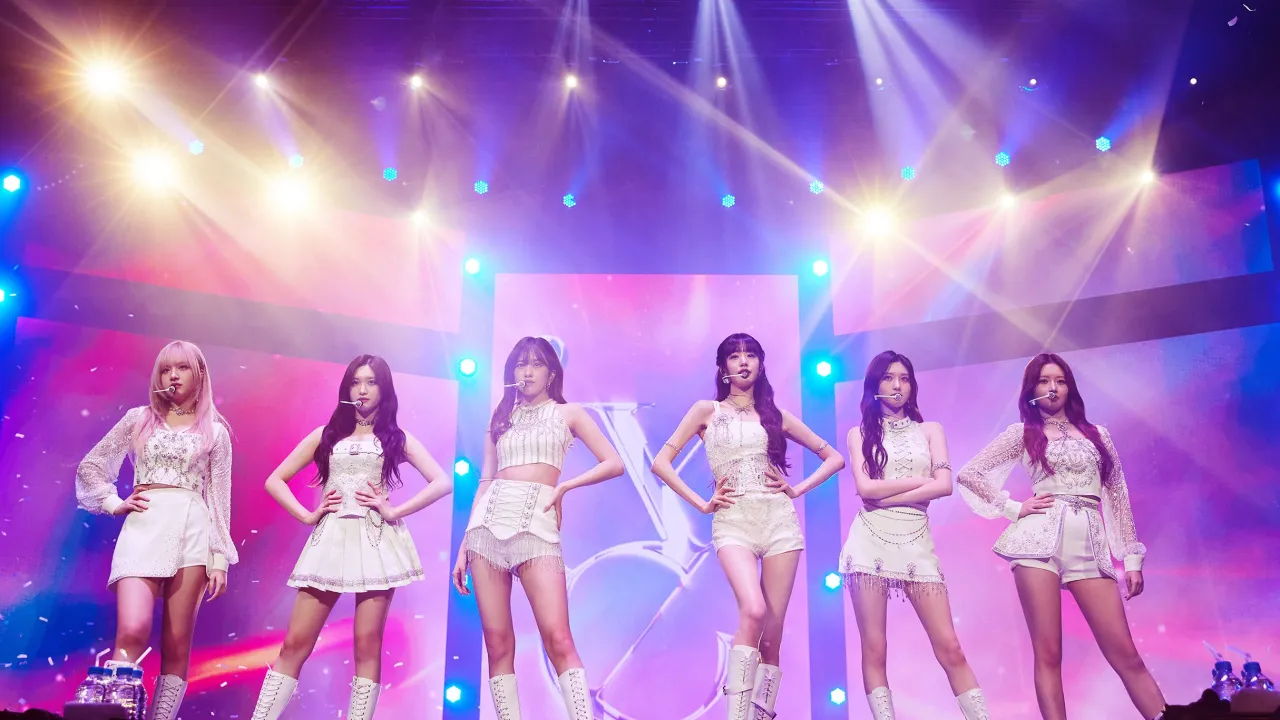

The first three seconds of a song are sacred territory. In the streaming age, it’s the make-or-break moment, the digital equivalent of a first impression that must be dazzling. For over a decade, K-Pop has mastered this calculus, perfecting the art of the immediate, earworm "killing part." But what happens when an artist doesn't just tweak the formula, but actively dismantles it? A quiet but potent revolution is brewing in studios across Seoul, one that is questioning the foundational architecture of pop music itself: the obligatory build-up.
Gone are the days when the verse-pre-chorus-chorus pathway was gospel. A new wave of producers, lyricists, and brave idol performers are crafting songs that start at the emotional climax, eschew choruses entirely, or treat the bridge not as a breather but as the main event. This isn't just musical experimentation for its own sake; it's a direct response to a generation of listeners raised on algorithmic playlists and shortened attention spans, yet paradoxically craving deeper, more complex narrative journeys. The result is some of the most thrilling, disorienting, and conceptually rich music the genre has ever produced.
The Blueprint: How the "K-Pop Formula" Was Built
To understand the rebellion, one must first understand the empire. The classic K-Pop song structure is a masterpiece of engineered euphoria. It’s a journey with a guaranteed payoff. A subdued, often rap-heavy verse establishes mood and story. The pre-chorus then acts as the coiled spring, the tension-builder, with rising melodies and intensifying instrumentation that creates an almost physiological anticipation. Finally, the chorus delivers the explosive, melodic, and often hook-laden release—the "point" of the song that fans chant in concerts and memorize in dance challenges.
This formula is not accidental. It’s a product of SM Entertainment's early pioneering with groups like Girls' Generation and SHINee, YG Entertainment's hip-hop-infused swagger with BIGBANG, and JYP Entertainment's catchy, dance-centric philosophy. It was commercialized, globalized, and perfected to a science. As explored in our analysis of BTS's record-breaking wins, this reliable structure is a key weapon in securing public favor and music show trophies. It's a language fans know fluently.
"The pre-chorus to chorus moment is the idol's equivalent of a superhero landing. It's the core of the performance. To remove it is to ask the performer and the audience to find power in a completely different place," says veteran music show PD Kim Jae-hwan.
But languages evolve. As K-Pop's global audience has expanded, so has its palette of influences. Hyperpop's jarring edits, alternative R&B's fluid structures, and the non-linear storytelling of progressive pop have all seeped into the Korean musical groundwater. Combined with the pressure to constantly innovate, this has created a fertile ground for structural dissent.
The Architects of Change: Producers and Idols Leading the Charge
The vanguard of this movement is a mix of in-house agency producers and daring idol-artists who are seizing creative control. Groups like (G)I-DLE, led by the visionary Soyeon, have long played with form, but the trend is now moving from the margins to the mainstream.
The Anti-Drop and the Immediate Chorus
One of the most jarring and effective techniques is the "anti-drop" or front-loaded chorus. Instead of building to a melodic explosion, the song begins with it or delivers a minimalist, subdued drop where the chorus "should" be. Take the recent, critically-acclaimed digital single from HYBE x Starship's new supergroup, Eclipse. Their track "Event Horizon" opens not with a verse, but with a 10-second, vocal-stacked chorus hit so powerful it feels like walking into a wall of sound. The verse that follows feels like a cool-down, a narrative reflection on the emotional cataclysm we've just witnessed.
This technique plays with memory and desire. By giving the payoff first, it makes the listener crave the return to that moment, fundamentally altering the song's emotional arc. It turns the traditional structure inside out. Similarly, rookie artist cosmosy, in her track "Chance", subverts expectations by using the pre-chorus melody as a recurring, haunting motif, while the supposed "chorus" is a rhythmic, almost spoken-word breakdown.

The Deconstructed Bridge and the Narrative Pivot
If the bridge was once a guitar solo or a key change to ramp back to the final chorus, it is now becoming a song's conceptual core. Artists are using this middle section not for musical variation, but for narrative or emotional genre-shifts. A bright, synth-pop song might drop into a trap-metal bridge with growled vocals, completely reframing the song's lyrics from love to obsession. This is a high-risk, high-reward strategy that demands immense vocal and performative versatility from idols.
It also speaks to the album-as-artwork concept rising in prominence. When songs are not designed as standalone TikTok snippets but as chapters in a story, structural experimentation becomes a narrative tool. The bridge is the plot twist.
Fanbase Whiplash: From Confusion to Cult Adoration
Unsurprisingly, these structural gambits do not land quietly. The initial fan reaction is often polarized, a phenomenon playing out in real-time on social media platforms and communities like our Artists page forums.
"I listened to the new track five times before my brain stopped expecting the beat to drop where it usually does. It was frustrating, then fascinating," writes one fan on X (formerly Twitter) regarding Eclipse's latest release.
Another comment on a popular YouTube review states, "It feels like the song is spoiling itself immediately. But weirdly, I keep going back. It's like knowing the ending of a mystery novel but reading it again to appreciate the clues."
This journey—from confusion to deep-dive analysis to cult adoration—is becoming a hallmark of this new wave. It creates a deeper layer of engagement. Fans aren't just learning dances; they're mapping song structures, debating the intentionality of a missing chorus, and creating "explainer" content. The song becomes a puzzle to be solved, which fosters a powerful in-group identity among listeners who "get it."
"The first time I heard it, I thought my stream was glitched. Now, it's the only part of the song I wait for. It broke my brain in the best way," shares a fan on Reddit's r/kpop thread dedicated to experimental song structures.
However, the commercial risk is real. Music show wins, which often rely on immediate, catchy hooks, can be elusive for these tracks. They may dominate critical "Best of" lists and fan deep-cut favorites, but struggle to chart alongside more structurally conventional fare. This tension between artistic innovation and commercial necessity is the tightrope every agency and artist now walks.
Industry Ripples: Beyond a Musical Trend
The implications of this structural shift extend far beyond the recording studio. It is forcing a holistic rethinking of the K-Pop production chain.
Choreography and Performance: Dance is the physical embodiment of the music. A song with no clear chorus or a sudden genre-shift in the bridge presents a monumental challenge for choreographers. How do you create a unifying "point move" for a section that doesn't exist? The solution has been a move towards more abstract, contemporary, and narrative-driven performance art. The focus shifts from synchronized, hook-driven moves to expressive, emotive movement that follows the song's unconventional emotional contour. Performances become less about unison and more about interpreted feeling.
Vocal Training and Direction: Idols are no longer just navigating high notes and stable live singing. They are now required to be vocal chameleons, switching between singing, rapping, whispering, and even harsh vocals within a single track to sell these structural pivots. The emphasis is on dramatic delivery and lyrical acting over pure technical prowess. This aligns with a broader industry trend of idols pursuing serious acting careers, blurring the lines between performance disciplines. As detailed in our feature "From Stage Lights to Surgical Lights", the modern idol's skill set is more diverse than ever.
Production and Songwriting Credits: This trend empowers producers and songwriter-idols. Crafting a successful unconventional structure is a complex puzzle that requires a strong, confident creative vision. It's leading to more producers gaining name recognition (like the ubiquitous Pdogg or SUGA of BTS) and more idol-artists insisting on being the architects of their sound. The days of idols as mere interpreters of agency-provided material are fading for the industry's top creative forces.
The Future of the Form: Evolution or Niche Experiment?
So, is this the end of the classic K-Pop banger? Absolutely not. The sheer, undeniable power of a perfectly constructed build-up and release, as seen in recent megahits that top our Charts page, ensures that formula is not going extinct. But its dominance is no longer uncontested.
The likely future is one of radical diversity. The K-Pop landscape will increasingly bifurcate into:
- Maximalist Pop Craft: Songs that double down on the formula, perfecting it to shiny, irresistible perfection for broad appeal.
- Structural Art-Pop: Songs that use form as an expressive tool, targeting fans who seek depth, challenge, and conceptual cohesion over instant gratification.
Furthermore, we will see more hybrid approaches. A song might feature a textbook-perfect, viral-friendly chorus but contain a wildly experimental bridge or outro that rewards repeat listening. The "spoiler" technique—revealing the climax first—may become a more common tool for title tracks, while B-sides become playgrounds for even more radical deconstruction.
This evolution also serves as a fascinating counterpoint to the industry's past. While today's idols dismantle song forms, it's worth remembering that not every talented performer was destined for this stage. As recounted in "The Road Not Taken", the path to idolhood is a specific one, requiring not just talent but a willingness to conform to a system. Today's structural rebels are, in a way, working from within to expand the boundaries of that very system.
The "Spoiler Alert" in our musical landscape is a promise of the unexpected. It signifies a maturing genre, confident enough in its global footing to challenge its own most reliable conventions. For fans, it demands active listening. For idols, it demands unprecedented artistic vulnerability. For the industry, it promises a future where the only predictable thing about a K-Pop song will be its capacity to surprise. The journey is no longer just from verse to chorus; it's from expectation to revelation, and that is perhaps the most exciting build-up of all.