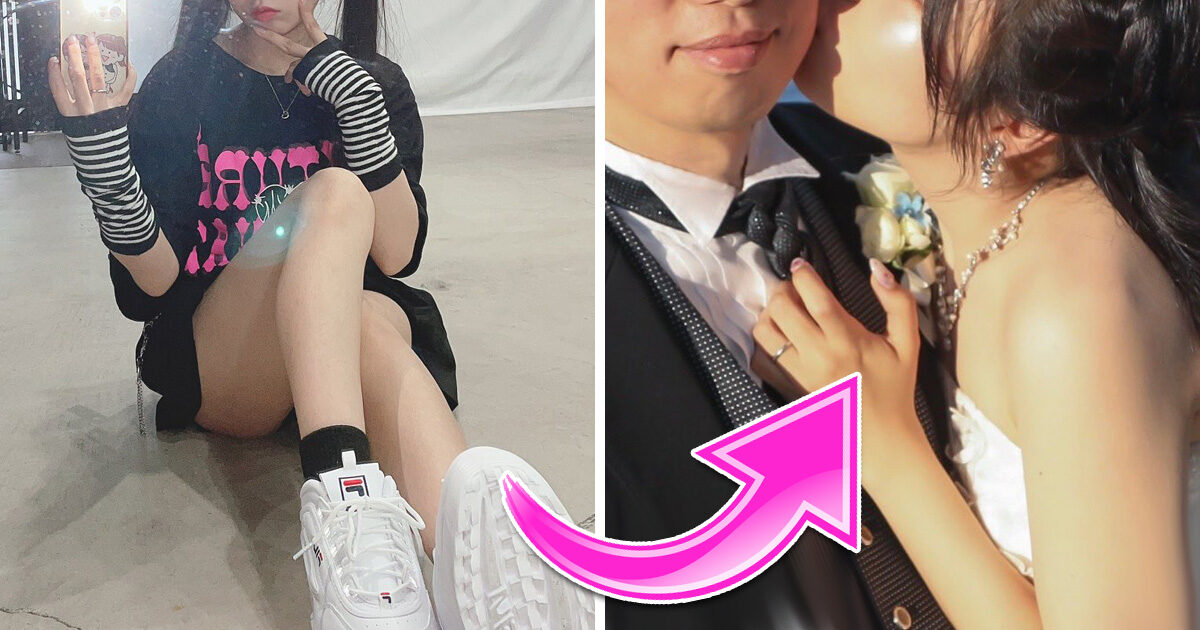

The world of K-Pop moves at a breakneck pace, where news cycles are measured in hours and a scandal can be buried by the next comeback trailer. But some stories possess a stubborn gravity, resurfacing not as gossip, but as cultural markers. This week, one such story quietly celebrated a milestone. Former teen idol Kim A-Young, now 27, shared a simple, sun-drenched photo on a private Instagram account: two hands, one noticeably more aged than the other, intertwined over a cake with the number "10" etched in frosting. The image, swiftly leaked to online communities, marked a decade of marriage to Park Ji-Hoon, 52, the man she first met as a 17-year-old rookie and he a 42-year-old dedicated fan.
This isn't a tale of a fleeting idol romance leaked by Dispatch. It’s a foundational, and for many, uncomfortable, chapter in the ongoing conversation about agency, mentorship, and the blurred lines within fandom. As the industry grapples with ever-evolving standards of protection and the personal freedoms of artists—a tension recently highlighted in our report on Behind the Smile: A Star's Troubling Return Sparks Industry-Wide Debate on Protection and Pressure—the anniversary of Kim A-Young’s marriage forces a look back at a case that was a canary in the coal mine.
From Bubblegum Pop to Front-Page Scandal: The Rise and Pause of Kim A-Young
To understand the seismic impact of Kim A-Young's marriage, one must first recall her trajectory. Debuted in 2010 at just 15 as the face, center, and main vocalist of the five-member girl group SUGAR*POP. The group, under now-defunct Starspark Entertainment, found moderate success with a series of infectious, bubblegum-pop singles. A-Young stood out for her crystal-clear vocals and a mature, serene stage presence that belied her years. She was the member who gave thoughtful interviews, spoke of her love for her fans, and was often dubbed "the reliable one" by her younger group members.
SUGAR*POP's fandom, Sweeties, was tight-knit. Among them was Park Ji-Hoon, a successful architectural consultant in his early forties. He was not a silent bystander; he was a known "fan site master" (sasaeng fans were a different, more notorious breed). Park ran a popular fansite dedicated to A-Young, attending nearly every schedule, from music show recordings to fan signs, armed with high-end camera equipment. His photos were renowned for their quality, often topping search results for the idol. In the pre-V Live era, such fan sites were crucial bridges between idols and supporters.
The "Lucky Fan" Narrative and Its Erosion
Initially, Park was just another face in the crowd of dedicated fans, albeit an older one. The narrative within the fandom was benign, even heartwarming: a successful professional admired a young artist's talent. The first public shift occurred at a 2012 fansign for SUGAR*POP's third mini-album. A fan-cam video shows A-Young, then 17, recognizing Park and engaging in a conversation that lasted well beyond the allotted minute, sparking gentle teasing from her members. On online forums, he was jokingly called "A-Young's biggest oppa fan."
"It was different from how she interacted with other fans. There was a… familiarity. We noticed it in little things—how she would sometimes look for his camera in a crowd, or the specific inside jokes they seemed to share during fan calls," recounted a former *Sweety* who requested anonymity, in a past interview with this outlet.
The group's momentum plateaued in 2013. While not officially disbanded, activities slowed to a crawl. It was during this quiet period, in early 2014, that the bombshell dropped. News outlet reports revealed that 19-year-old Kim A-Young had filed a marriage registration with 44-year-old Park Ji-Hoon. The legal age for marriage in South Korea with parental consent is 19. Her parents, after initial shock, had given their blessing.
A Decade of Silence and the Anniversary Revelation
The news was cataclysmic. SUGAR*POP was effectively finished. The agency, blindsided, terminated contracts amidst the furor. The public and media reaction was a maelstrom of outrage, concern, and morbid curiosity. Headlines screamed about the age gap, questioning the nature of their relationship during her minor years. Talk shows debated the ethics of fan-idol relationships, especially with such a power and age differential. The union became a tabloid fixture, dissected relentlessly.
For the last ten years, Kim A-Young and Park Ji-Hoon have lived a life of deliberate, near-total seclusion. They moved to Jeju Island. A-Young retired completely from entertainment, while Park continued his consulting work remotely. There were no interviews, no social media posts, no paparazzi shots. They became a ghost story the industry told—a cautionary tale of what can happen when the lines between fan and idol dissolve. Until this week.

The leaked anniversary photo, confirmed by a former agency acquaintance to be genuine, is the first glimpse the public has had in years. It shows no faces, just those clasped hands against a simple home backdrop. Accompanying the photo in the private post was a short caption, reportedly reading: "A decade of peace. Thank you for my home." The image is strikingly ordinary, which in itself is provocative. It presents not a scandal, but a settled, seemingly contented domesticity.
The Legal and Cultural Lens at the Time
It is critical to analyze this event within the legal and cultural framework of its time. The age of consent in South Korea in 2014 was 13, a notoriously low benchmark that has since been raised to 16 following revisions in 2020. However, the "Act on the Protection of Children and Juveniles from Sexual Abuse" prohibited sexual acts with minors under 19 where abuse of authority or trust was involved. While no legal charges were ever filed or suggested in this case, the court of public opinion tried the case vehemently on these grounds.
Furthermore, the industry's "no-dating" rules, though unofficial, were far stricter a decade ago. An idol's romantic life was considered a direct threat to their marketability. A relationship with a fan, especially one this old, shattered every unspoken rule. It challenged the very fantasy being sold. This case, along with a handful of others, began to expose the unsustainable pressure on idols to forfeit personal lives, a pressure we still see manifest in different, sometimes darker ways today.
Fandom's Fractured Memory: Nostalgia, Regret, and Anger
The reaction from the remnants of the original fandom and the wider K-Pop community has been complex and layered, playing out across social media platforms like Twitter, Instagram gossip pages, and forum sites like Pann and theqoo.
A contingent of original Sweeties have expressed a poignant, if complicated, well-wishing. "She was always so mature for her age. She knew her own mind. If she's happy, that's all that ever mattered," wrote one user on X, sharing an old SUGAR*POP performance video.
However, a louder, more prevalent reaction from newer and younger K-Pop fans is one of revived discomfort and condemnation. The post has gone viral on TikTok with edits contrasting her teen idol imagery with the anniversary photo, set to ominous music. The dominant comment is a sense of profound unease.
"Rewatching those old fan sign videos hits different now. You can see the dynamic so clearly with adult eyes. He wasn't just a fan; he was a man in his 40s cultivating a relationship with a child star. The industry failed her by not seeing it," a viral TikTok comment with over 100k likes stated.
This perspective ties directly into current, more vigilant conversations about idol safety and predatory behavior within fan circles. Fans today are quicker to question the intentions of older, overly invested fans, a vigilance sometimes lacking a decade ago. The discourse now includes terms like "grooming" and "power imbalance," which were less prevalent in the mainstream Korean media's 2014 coverage, which often focused more on the shock value of the age gap itself.
- Supportive View: Sees her as a woman who made a courageous, unconventional choice for love and peace, and has proven its longevity.
- Concerned View: Views the entire relationship through a lens of potential grooming and power imbalance, believing she was isolated from her peer group and career at a formative age.
- Industry-Focused View: Criticizes the management and agency for lacking proper chaperonage and safeguards, allowing the relationship to develop unchecked.
Industry Analysis: A Precedent in the Shadow of Change
The Kim A-Young case remains a singular, extreme reference point in K-Pop history. While other idols have married non-celebrities or left the industry for personal lives, none have involved such a stark age gap rooted in a fan-idol dynamic that began during the idol's minor years. Its significance is multifaceted.
First, it acted as a wake-up call for some agencies regarding the management of minor trainees and idols. In the years following, several large companies informally tightened protocols around fan interactions for their youngest artists, though these were rarely made public. The concept of "manager-nims" as strict guardians became more emphasized. However, as seen in incidents like Beyond the Meter: How a Taxi Scam Attempt Against a Top-Tier Idol Triggered a Government Crackdown on Tourist Exploitation, the threats to idols can be multifaceted and often come from beyond the fan circle, indicating a persistent need for comprehensive protection measures.
Second, the case underscored the intense loneliness and pressure a teenage idol can feel. A-Young, as the center of a struggling group, carried immense burden. An older, stable, admiring presence offering unwavering support can become a powerful lure, a perceived escape from the grueling, judgmental idol life. This speaks to the mental health vulnerabilities the industry is only now beginning to address more openly.
Finally, the public's reaction then versus now highlights a shift in societal values. The 2014 outrage was steeped in scandal and the violation of an idol "image." Today's discourse is more focused on child protection, consent, and psychological dynamics. The question has evolved from "How could she do this to her career?" to "What circumstances allowed this to happen to her?"
The Delicate Balance: Protection vs. Autonomy
This anniversary also reignites the delicate debate between an idol's right to personal autonomy and the industry's duty of care. At what point does protection become paternalistic control? Kim A-Young, at 19, was legally an adult who made a definitive choice. She has, by all scarce accounts, lived with that choice without public regret for ten years. To dismiss her agency entirely is to treat her as a perpetual victim. Yet, to ignore the troubling context of the relationship's origin is to be willfully blind. This is the unresolved core of the story: holding space for both her legal autonomy and the legitimate ethical concerns about how the relationship began.
What's Next: A Closed Chapter or a Lasting Legacy?
Kim A-Young is unlikely to ever return to public life. She has chosen a path of utter privacy. However, her story is far from private property. It exists as a permanent part of K-Pop's sociological fabric. As new generations of fans discover K-Pop through platforms like our Charts page and delve into its history, this case will resurface, analyzed through the evolving values of each new era.
For the industry, the lessons are ongoing. The debut of ever-younger idols in pre-debut projects, such as the buzz around Unspoken: Decoding the Duality and Deafening Buzz Around Pre-Debut Phenom AND2BLE, shows the market's continued fascination with youth. This makes the safeguards around those young talents more critical than ever. Robust mental health support, ethical media training that includes boundaries, and a corporate culture that prioritizes the artist's holistic well-being over rapid commercialization are no longer optional—they are necessities to prevent future stories of isolation and controversial escape.
The tenth anniversary photo is not a full stop, but an ellipsis. It asks a question that remains unanswered: Can a choice born in a uniquely pressurized and unequal environment ever be judged as truly free? Kim A-Young’s quiet celebration on Jeju Island offers its own answer—a private, personal one. But for the world of K-Pop that she left behind, the debate over what her story represents—a warning, a tragedy, or a simple, unconventional love story—continues to echo, a sobering reminder that behind the glittering performances tracked on our News page, the human stories are infinitely more complex and often fraught with shadows that the stage lights can never reach.