
Opening: The Poll That Ignited a Firestorm
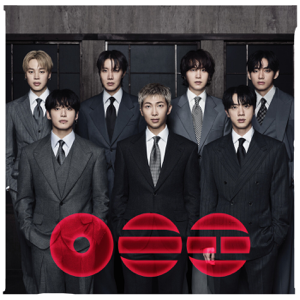
In the meticulously orchestrated universe of K-Pop, a new fissure has appeared, and its epicenter is the most formidable group in the industry: BTS. The release of their long-awaited album, ARIRANG, was meant to be a unifying moment—a triumphant return to group activities after a period focused on individual projects and mandatory military service. Instead, it has become the subject of intense, sometimes fractious, debate. A recent Koreaboo poll, bluntly asking fans if the album was "disappointing or worth the wait," has not simply captured sentiment; it has amplified a conversation raging across social media platforms, critic circles, and fan communities worldwide. Is ARIRANG a visionary masterpiece that seamlessly weaves centuries of Korean heritage into the fabric of modern pop, or is it an overly ambitious, disjointed collection that fails to live up to the astronomical hype? This isn't just a question about music; it's a referendum on BTS's artistic direction in their second decade and a test of the very boundaries of K-Pop itself.
Background: The Weight of Expectation and a Path Forged in History
To understand the magnitude of this moment, one must first appreciate the trajectory of BTS. From their 2013 debut under Big Hit Entertainment (now HYBE), they engineered a cultural paradigm shift, scaling global charts and breaking barriers with albums like Map of the Soul: 7 and BE. Their 2022 announcement of a hiatus for solo pursuits and military enlistment sent shockwaves through the industry, making the promise of a full-group return a beacon for ARMY worldwide. During this period, the members explored diverse sounds—from Jin's balladry to j-hope's hip-hop and RM's introspective rap—setting a high bar for artistic evolution.
The speculation for a comeback album began over a year ago, fueled by cryptic hints about "returning to roots" and "sharing Korea with the world." The title ARIRANG, named after the centuries-old Korean folk song symbolizing sorrow, endurance, and collective identity, was a deliberate, weighty choice. It signaled a move beyond the personal narratives of Proof and into the realm of national and cultural storytelling. As we analyzed in our review of their pre-release single, "Riding the Tide: How BTS’s 'Swim' Navigates the Depths of Longing and Collective Return", that track served as a thematic bridge, exploring the ache of separation and the hope of reunion. ARIRANG was positioned not merely as a comeback album but as a statement piece—a potential magnum opus that would define their legacy. The pressure was not just commercial but cultural, placing BTS in the role of global ambassadors for Korean sound in its most traditional form.
The News: Deconstructing the "ARIRANG" Album – A Track-by-Track Journey
Released on October 10, ARIRANG is a 10-track album that audaciously rejects contemporary K-Pop's trend toward shorter, streaming-optimized playlists. It is a dense, layered work demanding patient listening.
The Title Track & Core Concept
The lead single, also titled "ARIRANG (Modernity's Spring)", is the album's most controversial piece. Produced by Pdogg and RM, it features a sampled loop of a traditional pansori singer’s rendition of the folk melody, over which a minimalist, trap-infused beat and autotuned vocals are laid. The lyrics, penned by RM and Suga, interpolate the classic Arirang verses with reflections on technological alienation and the search for identity in a globalized world. The accompanying music video is a cinematic feat, juxtaposing scenes of the members in hanbok against stark, futuristic cityscapes. For some, this fusion is brilliant; for others, it’s a jarring clash that diminishes the purity of the original folk element.
"We didn't want to just cover 'Arirang.' We wanted to have a conversation with it—to ask what this song that has held our nation's sorrow and joy for generations would say to seven boys from Seoul living in the 2020s," RM stated in the album's press release.
Album Highlights and Departures
The album's breadth is staggering. Tracks like "Sillage of the King" (featuring a haunting gayageum performance by a noted traditional musician) and "Hwarang Heart" (a powerful hip-hop anthem with historical references) dive deep into Korean aesthetics. Conversely, songs like "Cloud Nine (Interlude)" and "Labyrinth" offer more familiar BTS pop-R&B sounds, providing moments of respite. The standout ballad, "Letter from the Front," sung primarily by Jin and V, uses military-style drum cadences and epistolary lyrics to directly address the experience of enlistment, creating an emotionally raw centerpiece that has been universally praised.
Critically, the album lacks a clear, radio-friendly "banger" in the vein of "Dynamite" or "Butter." This deliberate eschewal of easy commerciality is either its greatest strength or its most glaring weakness, depending on the listener. Initial chart performance has been record-breaking—smashing global Spotify and iTunes records—but streaming numbers for the title track have shown a steeper decline after the first week compared to past lead singles, suggesting a more divided listener engagement. You can track its ongoing performance on our Charts page for real-time data.
Fan & Community Reaction: A Fandom in Flux
The ARMY reaction has been profoundly split, a rare occurrence for a fandom known for its formidable unity. The Koreaboo poll, while unscientific, mirrors the schism evident on Twitter, Weverse, and Reddit.

The "Worth the Wait" Camp
Many fans hail ARIRANG as BTS's most mature and important work. They praise the artistic bravery, the deep cultural research, and the album's cohesive narrative about Korean identity. "This is the album they were always meant to make," one fan wrote on Weverse. "It's not about instant gratification; it's about legacy. They're using their platform to educate the world." This faction views criticism as a failure to understand the album's depth, comparing it to the initial mixed reception of transformative albums in other genres.
The "Disappointing" Camp
Conversely, a significant portion of fans express disappointment, citing a lack of melodic immediacy and cohesive flow. "I've waited two years for a BTS album I can play on loop and feel energized by, and this isn't it," shared a longtime fan on a popular forum. "The traditional elements feel forced in some songs, like a homework assignment rather than inspired artistry." Some miss the signature "BTS sound" of anthemic choruses and intricate group harmonies, finding ARIRANG too eclectic and somber.
This division, however, has not led to the kind of internal conflict that outsiders might predict. As explored in our previous report, "The Unshakeable Bond: How ARMYs Are Dismantling the Latest 'BTS Discord' Narrative", the fandom has developed sophisticated tools for managing disagreement. The current debate is largely respectful, focusing on musical preference rather than personal attacks, with many fans acknowledging that after so long apart, tastes within the fandom have naturally diversified.
Industry Analysis: Ripples Across the K-Pop Ecosystem
The impact of ARIRANG extends far beyond chart numbers and fan forums. It represents a seismic event in the industry's ongoing evolution.
Redefining the "Comeback Album"
In an era where comebacks are frequent and often formulaic, BTS has used their unparalleled clout to release a challenging, concept-heavy album. This challenges other top-tier groups to consider artistic risk over commercial safety. We are already seeing analysts question whether the "album economy" in K-Pop, which we examined in "Beyond the Title Track: How P1Harmony's 'L.O.Y.L.' Video Release Signals a Strategic Shift", needs to further adapt to accommodate more narrative-driven, less single-focused projects. ARIRANG proves that with a fanbase as large as ARMY, you can afford to not chase trends.
The Cultural Ambassador Mandate
BTS has long been unofficially tasked with promoting Korean culture. With ARIRANG, they have made this mandate explicit, potentially setting a new precedent for how K-Pop engages with national heritage. This aligns with broader government-backed "Korean Wave" strategies but executed through pure artistic vision rather than policy. It raises the bar for cultural authenticity, moving beyond aesthetic appropriations of hanbok in MVs to substantive musical integration.
Critical Reception: A Divide Between East and West?
Music critics are similarly divided. Korean media outlets and traditional music scholars have largely praised the album's ambition and respectful handling of source material. Some Western outlets, however, have called it "inaccessible" and "self-indulgent." This disconnect highlights the perennial tension in BTS's career: the balance between their Korean core and global appeal. ARIRANG feels like a conscious decision to privilege the former, a bold move that may redefine their global image from "global pop stars" to "global artists from Korea." For more on artists pushing creative boundaries, explore our Artists page featuring in-depth profiles.
What's Next: The Road Ahead for BTS and the Legacy of "ARIRANG"
The story of ARIRANG is far from over. Its true impact will be measured in the coming months and years.
Tour and Promotional Strategy
Announcements for a world tour, reportedly titled "The ARIRANG Pilgrimage," are imminent. How these complex, tradition-infused songs are adapted for stadium stages will be a major test. Will the tour include live traditional musicians? How will the setlist balance ARIRANG tracks with older hits? These decisions will significantly influence public perception of the album's viability as a live experience.
Long-Term Artistic Influence
Just as the solo work of members like j-hope and Agust D has influenced younger hip-hop artists, ARIRANG may inspire a new wave of genre fusion within K-Pop. We may see more groups confidently incorporating gugak (traditional Korean music) elements, moving beyond mere sampling. This album could be studied as a case study in cultural dialogue through pop music, much like how Latency turned past experiences into future sound, as detailed in "The Reinvention Ritual: How Latency’s Debut Single Turns Ex-Idol Past into Raw, Rock-Fueled Future".
A Legacy-Defining Release
Ultimately, ARIRANG may be an album that ages like fine wine. Initial polarization often gives way to consensus as the shock of the new wears off. Whether it is remembered as a misstep or a magnum opus, it undeniably marks a pivotal chapter for BTS. It signifies a group no longer chasing validation but building a monument to their cultural and artistic identity. The Koreaboo poll captures a snapshot in time, but the final verdict will be written by history. For continuous updates on this evolving story, bookmark our News page.
In conclusion, BTS's ARIRANG is more than an album; it is a cultural moment that holds a mirror up to the group, their fandom, and the industry. It asks uncomfortable questions about expectation, authenticity, and the price of evolution. Whether one finds it disappointing or worth the wait, its existence is a testament to the artistic courage that made BTS iconic in the first place. The debate it has sparked is, in itself, proof of its significance—a work of art that cannot be ignored.