
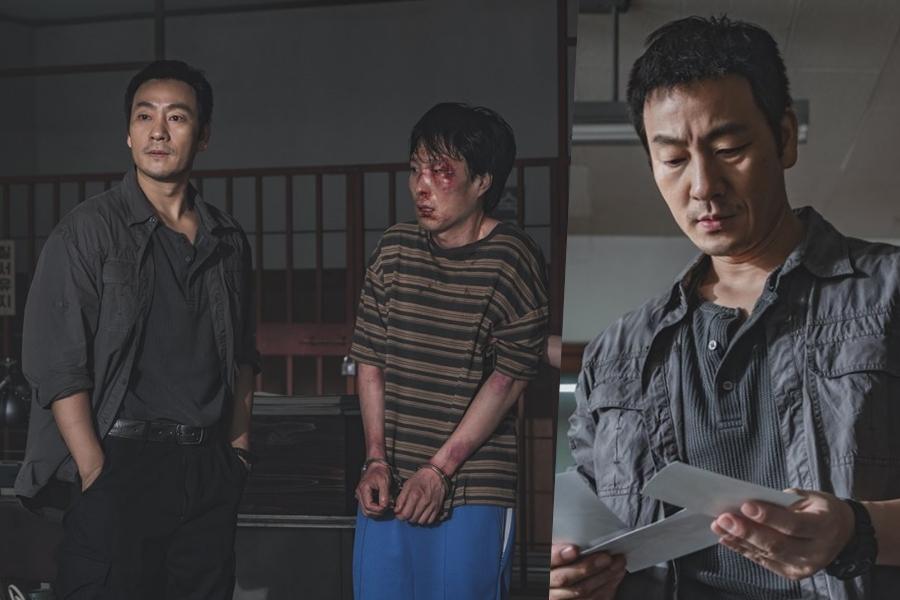

ENA's upcoming drama "The Scarecrow" is far more than a simple detective thriller; it is a cultural artifact reflecting a significant, darker shift within the Korean entertainment zeitgeist, spearheaded by K-Pop's own artistic maturation. Led by the formidable Park Hae Soo, the series promises a haunting exploration of trauma and hidden truths, themes increasingly prevalent in the concepts of top-tier idol groups. This analysis delves into how "The Scarecrow" symbolizes the blurring lines between K-Pop's performative depth and mainstream Korean drama's narrative complexity, marking a pivotal moment for fans of both mediums.
- From Bright Pop to Dark Noir: The Concept Evolution
- The Idol-to-Actor Pipeline: A Case Study in Versatility
- Scarecrows & Sonic Landscapes: Symbolism Decoded
- The Production Insider: Music as a Narrative Character Projected Industry Impact & Chart Implications
- Your "The Scarecrow" FAQs Answered
From Bright Pop to Dark Noir: The Concept Evolution
The announcement of "The Scarecrow" arrives at a time when the K-Pop industry itself is undergoing a profound aesthetic and thematic deepening. The era of universally bright, upbeat concepts is being complemented—not replaced—by narratives exploring psychological complexity, societal pressure, and personal trauma.
The New Wave of Narrative Depth
Groups are no longer just releasing songs; they are curating cinematic universes. This mirrors the precise, high-stakes storytelling seen in dramas like "The Scarecrow," where a detective's return to his hometown unravels layered personal and communal secrets. The drama's logline hints at buried pasts and unavoidable truths, a narrative structure familiar to fans who follow groups with intricate lore.
Case Studies in Darker Concepts
This trend is evident across the spectrum. While we've recently celebrated the vibrant comeback of Apink - 15th Season, other acts are exploring shadows. The intense, raw energy of acts like Lil Moshpit, especially in tracks like "Annyeonghaseyo (Sik-K Remix)", channels a different kind of emotional realism. Similarly, the moody, introspective visuals and sounds from soloists and groups often deal with themes of isolation and scrutiny—perfectly aligning with the isolated, tense atmosphere "The Scarecrow"'s stills project.
The Idol-to-Actor Pipeline: A Case Study in Versatility
Park Hae Soo's casting is a masterstroke, but it also highlights the critical pathway from idol performance to serious acting. His journey from stage and screen to leading a complex thriller informs the performance credibility that idols-turned-actors strive for.
Park Hae Soo: The Benchmark
While not an idol, Park Hae Soo's career embodies the versatility idol-actors aim to achieve. His ability to command a scene, whether in the global phenomenon "Squid Game" or a gritty domestic thriller, sets a standard. It demonstrates the audience's appetite for actors who can carry profound emotional weight—a skill idols develop through years of portraying concepts under intense pressure.
The Idol Actor Readiness Table
The success of an idol in a serious role like that in "The Scarecrow" depends on several key factors. The following table breaks down the essential elements, comparing them to standard idol training.
Required Skill for Thriller Drama Parallel Idol Training & Experience Example in "The Scarecrow" Context Micro-expression Mastery Music video acting, fan interaction, conveying complex concepts in 3-minute performances. Detective Park must reveal inner turmoil and suspicion with minimal dialogue, relying on gaze and subtle facial control. Sustained Emotional Arc Carrying a narrative 'concept' across an entire album cycle, from teasers to stage performances. Maintaining the character's growing desperation and unraveling sanity over 16 episodes. Physical Embodiment of Trauma Demanding choreography that tells a story, often expressing pain, anger, or defiance physically. The character's physical posture and reactions to his haunting hometown environment. Vocal Control (Not Singing) Voice modulation for variety shows, live audience communication, and recorded narration. Delivering lines with the restrained, tense vocal quality of a detective wrestling with personal demons.Scarecrows & Sonic Landscapes: Symbolism Decoded
The central motif of the scarecrow is powerfully evocative, and its symbolic resonance finds direct parallels in K-Pop's use of metaphorical imagery in music videos and album art.

The Scarecrow as a K-Pop Concept
In drama, a scarecrow is a guardian that is also a hollow facade, a simulacrum of protection. In K-Pop, similar imagery is used to discuss themes of emptiness behind a public persona, being stuck in one position, or serving as a warning to others. A group might use such an image to critique the industry's tendency to create "perfect" but emotionally vacant idols.
The stills released show Park Hae Soo in stark, rural landscapes—a visual shift from the urban glamour often associated with K-Pop. This speaks to a broader trend of artists seeking "authentic" backdrops to explore raw themes.
Soundtrack Predictions: Beyond the Typical OST
The soundtrack for "The Scarecrow" will likely avoid upbeat pop ballads. We anticipate a sonic palette featuring:
- Ambient and Industrial Tracks: Similar to the experimental sounds in some darker K-Pop b-sides.
- Folk-Infused Melancholy: Acoustic, raw vocals that echo the rural setting, akin to solo work from idols known for their lyrical depth.
- Haunting Instrumentals: Piano or string-led pieces that build psychological tension, a technique used masterfully in K-Pop intros and outros to set a narrative tone.
The Production Insider: Music as a Narrative Character
For K-Pop fans, music is never just accompaniment; it's a driving narrative force. The same principle applies to high-caliber dramas. The production choices for "The Scarecrow"'s sound will be as critical as its casting.
The Composer's Role is the Producer's Role
Just as a K-Pop producer like FRNK or Sik-K shapes a group's identity, the drama's composer will define its emotional atmosphere. Will they enlist a known film score maestro, or take a risk on a producer from the K-Pop or indie scene known for atmospheric work? This decision could bridge drama fans and music fans directly.
Cross-Promotion Opportunities
An OST track by a major idol could dominate the charts, but a more intriguing possibility is an original instrumental piece going viral on TikTok or YouTube Shorts, much like how K-Pop dance challenges or iconic musical moments do. The drama's eerie mood could spawn a wave of fan-made content using its music, creating a synergistic promotion loop. Stay updated on such viral moments via our Charts page.
Projected Industry Impact & Chart Implications
"The Scarecrow" is poised to be more than a ratings success; it will influence creative directions and commercial strategies across the entertainment sector.
Boosting the "Dark & Thoughtful" Trend
A successful run for "The Scarecrow" signals to agencies and production companies that audiences are deeply engaged with psychologically complex, aesthetically somber content. This validates the similar risks K-Pop groups are taking with darker concepts, encouraging further investment in nuanced storytelling over purely catchy hooks.
OST Chart Domination Scenarios
The drama's soundtrack will likely see strategic releases. A powerful main theme could debut high on digital charts, followed by character-specific tracks. If an idol like those from BE BOYS - Be:2 or a soloist with a distinctive vocal color like FIRR (check out her latest in FIRR - REEL: What Just Landed) contributes a track, it would guarantee a massive first-week stream and download surge, merging drama viewership with idol fandom power.
Your "The Scarecrow" FAQs Answered
As excitement builds, K-Pop and K-Drama fans alike have pressing questions. Here are the answers based on current industry analysis.
Q: Are any K-Pop idols confirmed for the cast or OST?
A: As of now, the main cast is comprised of seasoned actors like Park Hae Soo. However, no OST lineup has been announced. It is highly probable that a well-known vocalist—potentially from an idol group or a renowned soloist—will be tapped for a key track, as this is a standard and effective cross-promotion tactic.
Q: How can I follow updates if I'm primarily a K-Pop fan?
A: Follow the drama's official social media, but more importantly, keep an eye on the official channels of major idol labels and your favorite artists. OST announcements are often made through the contributing artist's channels first. For aggregated news, our News page will cover major OST confirmations.
Q: Does this mean my favorite bright-concept groups will stop their style?
A: Absolutely not. The evolution is about expansion, not replacement. The industry is broadening its range. Groups like CLOSE YOUR EYES - OVEREXPOSED prove that high-energy, bright concepts still have massive appeal. "The Scarecrow" reflects one powerful side of a now multifaceted industry.
Q: Why should K-Pop fans care about this specific drama?
A: Because it represents the highest level of the storytelling craft that your favorite groups are increasingly aspiring to. The narrative techniques, thematic depth, and character development are directly transferable to the concepts and music videos you consume. Understanding this drama enhances your appreciation for the artistic ambitions within K-Pop itself.
Q: Will this affect idol casting in future dark dramas?
A: Success begets imitation. If "The Scarecrow" is a hit, it will solidify the market for serious, noir-inspired dramas. This, in turn, creates more legitimate acting opportunities for idols who have proven their dramatic chops, moving them beyond romantic comedy roles into more challenging fare.
Conclusion & Your Next Steps
"The Scarecrow" is not an isolated event but a significant indicator of the converging creative currents in Korean entertainment. For the astute K-Pop fan, watching this drama is an opportunity to witness the narrative and aesthetic principles influencing your favorite groups play out on a longer, deeper canvas. It's a chance to support the broader artistic ecosystem that fuels the industry's innovation.
To fully engage, mark your calendar for the premiere. Analyze the visuals and tone of the teasers as you would a K-Pop concept trailer. When the OST drops, listen critically—it might introduce you to a new producer or vocalist who will later appear on our Artists page. By understanding these connections, you transition from a passive consumer to a true cultural analyst of the Hallyu wave. The fields are waiting, and the scarecrow stands guard; the story it tells is ultimately about the secrets we keep and the truths we must face, both on screen and in the spotlight.