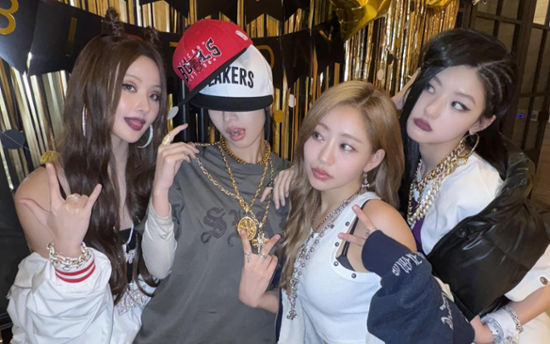

One year after a racism scandal disrupted their debut momentum, KISS OF LIFE has not only recovered but re-engineered their career trajectory. Through strategic musical authenticity, direct fan engagement, and a company-led transparency campaign, they have converted a crisis into a catalyst for a deeper, more resilient connection with their audience. Their journey offers a masterclass in modern reputation management within the hyper-scrutinized K-Pop ecosystem.
- The Incident: What Actually Happened?
- The Immediate Fallout & Industry Freeze
- The S2 Entertainment Playbook: A Three-Point Strategy
- The Artistic Response: Music as Rebuttal
- By The Numbers: Measuring the Comeback Shifting Fan Dynamics: From Casual Listeners to "LIFE-Makers"
- Your Questions Answered: KISS OF LIFE FAQ
What Was the KISS OF LIFE Racism Scandal?
The controversy emerged just weeks after their debut, casting a shadow over their promising start. It centered on a resurfaced pre-debut social media post from a member, which contained culturally insensitive imagery. The incident highlighted the intense archival scrutiny new idols face.
The Core of the Controversy
Unlike scandals involving ongoing behavior, this was a historical post from a member's teenage years. However, in the global K-Pop landscape, context often collapses upon discovery. The image, perceived as mocking a specific culture's traditional dress, spread rapidly on international fan forums like Pann and Twitter.
Initial Company Response: A Critical Misstep
S2 Entertainment's first statement was a standard, vague apology that failed to address the specific hurt. This "template response" exacerbated the issue, as noted in our analysis of crisis communication in The Soju Spill. The lack of detail felt dismissive to international fans, fueling the news cycle for days.
What Was the Immediate Impact on Their Career?
The scandal triggered a classic K-Pop industry freeze. Momentum is currency for a rookie group, and theirs evaporated overnight.
Schedule Cancellations and Lost Opportunities
As the Koreaboo report indicated, their schedule was directly affected. Confirmed appearances on weekly music variety shows were quietly pulled. More damaging were the lost opportunities: a planned collaborative stage with a senior artist was scrapped, and talks for a coveted OST placement for a popular web drama were terminated.
The Social Media Backlash and Digital Environment
Online spaces became hostile. Debut track music video comments were flooded with negative messages. Hashtags condemning the group trended, making it difficult for positive fan content to gain visibility. This period tested the loyalty of their nascent fandom, LIFE-Makers, who were forced into a defensive posture from the group's earliest days.
How Did Their Company, S2 Entertainment, Respond?
After the initial misstep, S2 Entertainment executed a surprisingly effective and nuanced three-point strategy that became the foundation of the group's recovery.

1. The Detailed, Unscripted Apology
A week after the first statement, the agency released a follow-up. This time, it named the specific action, acknowledged why it was hurtful without offering excuses, and outlined the educational steps the member and the entire group were undertaking with cultural sensitivity experts. Crucially, the offending member also delivered a handwritten, personal apology in both Korean and English.
2. The "Authenticity Overload" Content Shift
S2 flooded their official channels with unedited, behind-the-scenes content showing the group's daily life, practice sessions, and casual interactions. The goal was to rebuild a human connection, bypassing the "polished idol" image that felt tarnished. They emphasized the members' personalities and work ethic over manufactured concepts.
3. Strategic Creative Partnership Announcements
To redirect conversation toward artistry, S2 announced collaborations with respected, non-controversial producers and songwriters known for working with artistically credible idols. This signaled to the industry and fans that the focus was returning to music.
Did Their Music Itself Address the Situation?
Indirectly but powerfully, yes. Their first comeback after the scandal, the mini-album "MISE-EN-SCÈNE", was interpreted as a sophisticated artistic rebuttal.
Lyrical Themes of Perception and Truth
Title track "Shadows & Light" featured lyrics about being misunderstood, the struggle to show one's true self behind distorted images, and the journey toward self-definition. While not explicitly about the scandal, the thematic resonance was unmistakable to fans who had lived through the controversy.
"The mirror cracks but shows the core / Your painted words won't hide what's for / I'll build my stage from broken tiles / And face the glare with honest smiles." - Excerpt from "Shadows & Light"
A Mature Sonic Evolution
Musically, they moved away from a pure debut-era sound. They incorporated more live instrument samples, richer vocal harmonies, and complex song structures that demanded attention. This wasn't just catchy pop; it was a statement of serious musical intent, similar to how WayV's "Love Talk" used its musicality to ultimately define the group beyond initial perceptions.
Can We Quantify Their Recovery? A Data-Driven Look
Moving beyond narrative, the numbers reveal a clear and impressive recovery trajectory. The table below compares key metrics from their debut month to the first month after their "MISE-EN-SCÈNE" comeback.
Metric Debut Month (Pre-Scandal) Post-Comeback Month (1 Year Later) Change Album Sales (Hanteo) 42,157 copies 128,905 copies +206% Monthly Listeners (Spotify) ~680,000 ~2.1 Million +209% YouTube Subscribers 412K 1.7M +313% Music Show Wins 0 3 +3 Brand Reputation Ranking (Korean Institute) Not in Top 50 #27 New EntryInterpreting the Data Surge
This isn't just a return to baseline; it's significant growth. The scandal, paradoxically, raised their name recognition. Their subsequent effective handling and strong musical output converted casual observers into committed fans. The tripling of YouTube subscribers suggests a massively expanded global audience seeking to understand the "comeback story."
How Has the Scandal Changed Their Relationship with Fans?
The crisis forged a unique "siege mentality" bond between KISS OF LIFE and LIFE-Makers, transforming the typical idol-fan dynamic.
From Supporters to Defenders and Advocates
Early fans were thrust into the role of digital defenders. This shared experience created a fiercely protective and invested core fandom. New fans who joined post-scandal often cite admiration for the group's resilience as a key attraction, creating a fandom united by narrative as much as by music.
Increased Demand for Transparency
The fandom now expects and rewards direct, unfiltered communication. Lives are longer and more casual. S2 Entertainment leverages this by giving fans more insider access than typical for a group of their stature, understanding that trust is their most valuable rebuilt asset. This dynamic echoes the heightened scrutiny seen in dating rumors, as explored in our analysis of Tzuyu's concert rumor, where fan expectations for "proof" and transparency are paramount.
Your Questions Answered: KISS OF LIFE FAQ
Is the scandal still brought up by Korean media or variety shows?
Rarely, and never directly. The Korean entertainment industry has largely adopted a "moved on" posture. Hosts focus on their current music, performances, and talents. The incident is treated as a closed chapter, reflecting the success of the group's rehabilitation campaign.
Has their international fanbase, particularly in the region affected by the post, forgiven them?
Sentiment is divided but has shifted positively. Many international fans appreciate the specific, educational approach of the second apology and the consistent, respectful behavior since. While some will never forgive, a significant portion now actively supports them, viewing the journey as one of genuine growth. Forums show discussions have shifted almost entirely to their musical output.
Did any members leave because of the scandal?
No. The group maintained its original four-member lineup. The agency's decision to keep the unit intact and work through the issue together was a strategic risk that ultimately paid off in strengthening the group's "unbreakable team" narrative.
How does this scandal compare to others involving cultural sensitivity?
Its handling is now cited as a potential blueprint. Unlike cases where companies remain silent or where the idol repeats problematic behavior, KISS OF LIFE's path—detailed apology, demonstrable education, and artistic reinforcement—provides a structured response model. The key difference was treating it as a long-term trust-rebuilding project, not a one-off PR statement.
What's next for KISS OF LIFE?
They are now firmly in their "prove it" phase. The conversation is about sustaining quality and evolving their sound. They are scheduled for a U.S. festival appearance later this year, indicating agency confidence in their global appeal. The focus, as seen on our Charts page, is squarely on whether they can chart their next release competitively against established 4th and 5th generation peers.
The Verdict: Not Just Recovery, Reinvention
One year on, KISS OF LIFE's story is no longer defined by a scandal, but by the meticulous, artistically credible work that followed it. They have achieved more than damage control; they have used the crisis to accelerate the development of a distinct, authentic identity and a deeply bonded fandom. Their recovery was not a passive waiting game but an active, multi-front campaign of musical substance and strategic transparency.
Their case study suggests that in today's K-Pop world, a career-threatening incident can, with the right response, be transformed into a foundational myth of resilience. The true test lies ahead: capitalizing on this hard-won stability to deliver the consistent artistic innovation that turns a comeback story into a legacy. For the latest on groups navigating their own pivotal moments, follow our ongoing coverage on our News page, and explore the profiles of rising artists on our Artists page.