
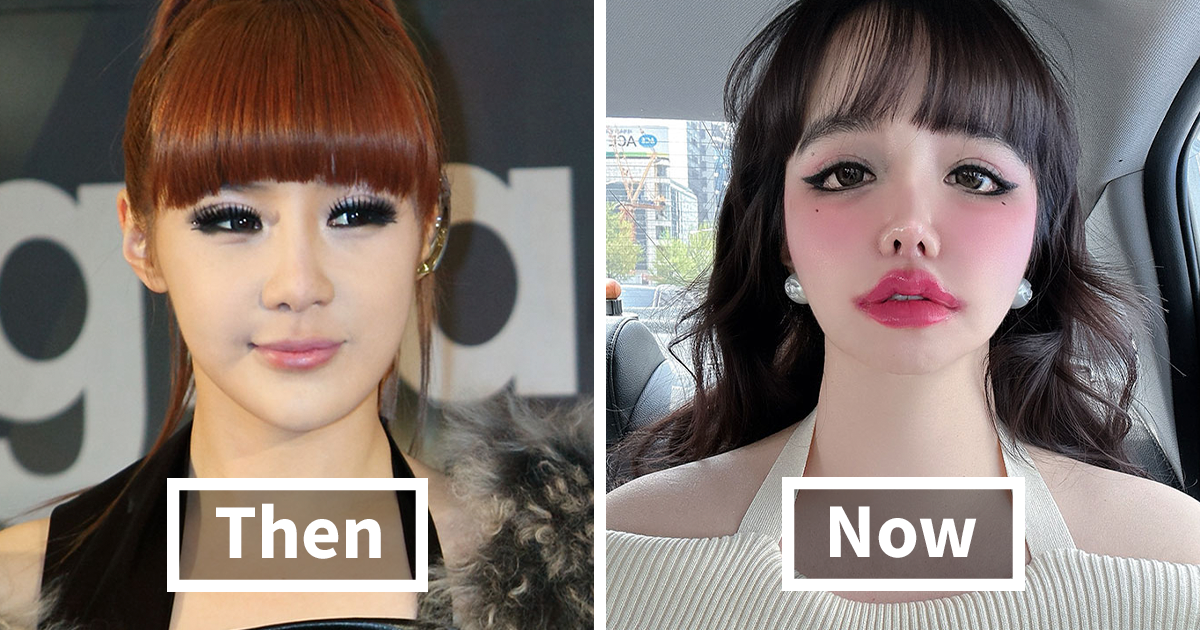

When former Luminous member and '90s icon Kim Hee-ae appeared at a recent brand event, the internet fractured. Her strikingly youthful, refined visuals, defying her 46 years, went viral overnight, igniting fierce debates over cosmetic surgery, aging gracefully, and the unbearable pressures faced by first-generation idols. This incident is not merely gossip; it's a critical lens into K-Pop's evolving, yet persistently brutal, standards of beauty and longevity, revealing an industry at war with time itself.
- The Viral Moment That Broke the Internet
- The Unrelenting Pressure Cooker of Perpetual Youth
- Beyond the Headlines: Kim Hee-ae's Actual Legacy
- Anatomy of a Fandom Frenzy: Why This Hurts So Much A Generational Shift? How 4th Gen Idols Are Redefining the Rules
- Your Questions on Kim Hee-ae & Idol Aging, Answered
What Exactly Happened with Kim Hee-ae?
On April 22nd, Kim Hee-ae attended a luxury cosmetic launch in Seoul. As photos and fancams hit social media, the reaction was instantaneous and polarized. The idol, known for her powerful vocals and charismatic stage presence in the late 90s group Luminous, looked dramatically different from her last public appearances several years prior.
The Visual Transformation in Focus
The key points of discussion centered on a noticeably smoother facial contour, enhanced jawline definition, and a general rejuvenation that many netizens argued was medically improbable without intervention. Side-by-side comparison photos flooded online communities, with arrows and circles analyzing every perceived change. The discourse quickly moved from "she looks great" to a forensic audit of her face.
The Two Warring Narratives Online
The online sphere split into two camps. One celebrated her, posting comments like, "She's winning at life!" and "This is the definition of aging like fine wine." The other camp, louder and more analytical, flooded forums with surgery allegations. Phrases like "plastic surgery monster" and "she erased her face" trended, highlighting the vicious underbelly of K-Pop fan culture. This wasn't just about Kim Hee-ae; it became a proxy battle about authenticity in an industry built on image.
Why is the Pressure on First-Gen Idols So Intense?
Kim Hee-ae's situation is exacerbated by her pioneering status. First-generation idols like those from Luminous, S.E.S., and Fin.K.L. navigated a pre-social media industry with different rules. Their comeback is not just a performance; it's a referendum on an entire era's legacy.
The "Fossilized Image" Problem
For the public and nostalgic fans, these idols are often frozen in time—preserved in the music videos and variety shows of their peak. When they re-enter the public eye, they are measured against this decades-old benchmark. Any sign of natural aging can be met with disappointment, while drastic changes spark surgery rumors. They are caught in a no-win scenario: age naturally and face criticism for "letting yourself go," or pursue enhancements and face accusations of inauthenticity.
The Economic Reality of Longevity
For many first- and second-gen idols, public visibility is directly tied to income through CF deals, variety appearances, and festival gigs. Maintaining a certain visual standard isn't just about vanity; it's a career necessity in a youth-obsessed market. This commercial pressure creates an environment where cosmetic procedures shift from choice to strategic career investment. As we explored in our analysis of solo ventures, maintaining relevance is a complex, multi-front battle, similar to the pressures noted in Yeri's "Azure Spring".
Who is Kim Hee-ae Beyond This Controversy?
Lost in the surgical speculation is the substantive career of Kim Hee-ae. Reducing her to this single viral moment does a grave disservice to her contributions to K-Pop's foundational years.

Luminous's Role in K-Pop History
Debuting in 1998, Luminous was part of the first wave of girl groups following S.E.S.'s success. While not achieving the same monumental success, they were known for their strong live vocals and R&B-influenced tracks, carving a niche in a rapidly expanding industry. Kim Hee-ae was the group's main vocalist, often praised for her emotional delivery and stability.
Her Post-Group Career & Quiet Influence
After Luminous's disbandment in 2002, Hee-ae stepped back from the spotlight, occasionally appearing on radio or in theatrical productions. Unlike some peers, she did not aggressively pursue a solo singing or acting career, making her recent re-emergence all the more shocking to the public. Her legacy is that of a skilled vocalist from a formative era, a fact now overshadowed by superficial discourse.
Why Do Fans Care So Much About an Idol's Appearance?
The ferocity of the reaction stems from the unique, parasocial contract between idols and fans. An idol's image is a core part of the product, and perceived changes can feel like a breach of that unspoken agreement.
The Parasocial Relationship and "Authenticity"
Fans invest emotionally and financially, believing they "know" and "grow with" their idols. A sudden, drastic change in appearance can rupture that sense of intimate familiarity. It forces fans to confront the manufactured nature of the industry, leading to feelings of betrayal or disillusionment. The outrage is less about the surgery itself and more about the shattering of a carefully maintained illusion.
The Double Standard of Aging
The reaction map reveals a glaring gender and industry bias. Male actors and musicians are often called "distinguished" as they age, while female celebrities face microscopic scrutiny. This incident reinforces that female idols, especially, are granted very narrow permission to age—and only in a specific, "graceful" way that often requires medical assistance to achieve. The conversation around wellness, as seen with Kwon Eunbi's Workout Revolution, shows a healthier path, but the core pressure remains.
Is the Industry's View on Aging and Procedures Changing?
While the pressure remains immense, narratives are slowly evolving, particularly with newer generations. The Kim Hee-ae incident acts as a stark contrast to emerging trends.
4th Gen Openness vs. 1st Gen Silence
Some 4th Gen idols and influencers are more open about minor "touch-ups" or skin treatments, framing them as routine self-maintenance. However, major surgical transformations remain taboo to discuss openly. The first generation operates under an older code of silence, where admitting to any procedure was considered career suicide. This silence creates a vacuum filled with speculation and accusation.
Comparative Public Reactions: A Generational Divide
Idol/FigureGenerationNature of Visual ChangeGeneral Public & Fan Reaction Kim Hee-ae1st GenMajor, transformative rejuvenationHigh shock, viral surgery allegations, polarized debate Various 4th Gen Idols4th GenGradual, subtle enhancements over timeLower-key discussion, often framed as "glow-ups" or styling Senior Actors/ActressesVariesRegular maintenance proceduresGenerally accepted, part of the job, less viral scrutinyThe New Frontier: Wellness Over Surgery
The rising trend, as seen on platforms like Instagram, is a focus on extreme fitness, rigorous dieting, and high-tech skin care as the primary tools for maintenance. This allows idols to frame their efforts as "hard work" and "discipline"—socially laudable traits—rather than the passive (and stigmatized) act of undergoing surgery. This shift in narrative is powerful but doesn't eliminate the underlying pressure to maintain an ageless facade.
Your Questions on Kim Hee-ae & Idol Aging, Answered
Q: Has Kim Hee-ae confirmed or denied having plastic surgery?
A: As of this writing, Kim Hee-ae and her agency have maintained complete silence on the issue. This is a standard industry practice; idols and actors almost never publicly confirm specific procedures, making fan and media speculation the dominant narrative.
Q: Did Luminous have other notable members?
A: Yes. Luminous's most famous member was likely Lee Jin, who found greater success as an actress after the group disbanded. Other members have largely retired from public life, making Kim Hee-ae's re-entry particularly notable.
Q: Is the public reaction to her different because she's a woman?
A> Absolutely. The scrutiny applied to female idols' aging and appearance is exponentially more intense and forensic than for their male counterparts. Male aging is often framed as "maturing," while female aging is frequently discussed as a "battle" to be "won," with surgery as a suspected weapon.
Q: Could this viral attention help her career?
A> In the short term, it has undoubtedly boosted her name recognition. However, the type of attention matters. While it may lead to talk show invitations to "address the rumors," it risks permanently boxing her into this narrative, overshadowing her talents and legacy. For insights on managing public perception in modern K-Pop, consider the strategic approach analyzed in Why Tony Leung Chose NewJeans.
Q: Are fans justified in feeling "betrayed" by an idol's changed looks?
A> While feelings are always valid, the expectation of a permanently static appearance is fundamentally unrealistic and disregards an individual's autonomy over their own body. The sense of betrayal speaks more to the intensity of the parasocial relationship fostered by the industry than to any moral failing by the idol.
Conclusion: The Mirror Cracked
The firestorm around Kim Hee-ae is a reflection crack spreading across the glossy surface of K-Pop. It reveals the unsustainable bargain at the industry's heart: the demand for idols to be both relatable humans and ageless, perfect icons. Her story is a cautionary tale about the long-term cost of fame in a visual ecosystem, a pressure that continues to evolve but not disappear, as seen in the turbulent landscape for newer groups documented in The 4th Gen Exodus.
For fans, the path forward requires conscious consumption. It means celebrating artistry and legacy over frozen-in-time visuals, and challenging the internalized double standards we apply to aging. For the industry, it necessitates fostering healthier, more sustainable narratives around aging and self-determination. The next time a veteran idol appears on your screen, look beyond the surface. Seek the voice that made them legendary, the presence that commands the stage, and remember that humanity, in all its changing forms, is far more compelling than an illusion of perpetual youth.
What's Next? Dive deeper into the history that shaped today's stars. Explore our definitive guides to first-generation legends on our Artists page, or track how veteran idols are charting a new course on our latest music charts. The story is far from over.