

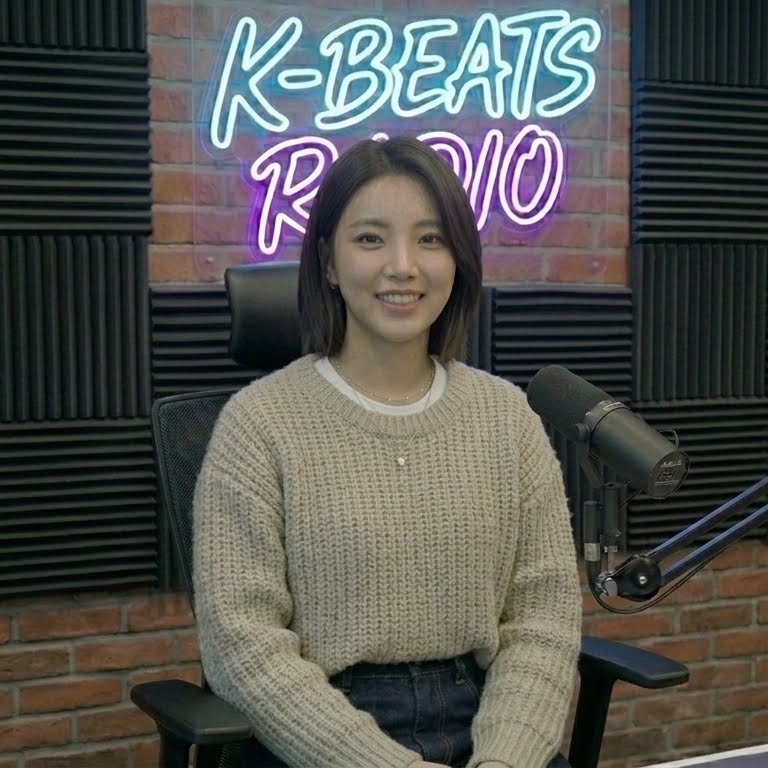
The glittering world of K-Pop is often painted in broad strokes of synchronized perfection, explosive success, and unbreakable group bonds. For fans, the narrative is one of shared triumph. Yet, a poignant and increasingly common confession from within the industry is peeling back that dazzling veneer to reveal a more complex, and often painfully human, reality. The latest voice to speak with courageous vulnerability belongs to none other than Soyou, a member of the iconic "Summer Queens," SISTAR. In a recent video appearance that has sent ripples through the K-Pop community, Soyou admitted to battling persistent negative feelings and a sense of never being fully at ease, specifically tied to comparing her own popularity with that of her fellow members, even at the peak of the group's legendary career.
The Unspoken Weight of the Spotlight
For years, the public image of SISTAR was one of confident, powerhouse performers who dominated the season with anthems like "Touch My Body" and "Shake It." The concept of internal strife or insecurity seemed alien for a group so synonymous with health, vitality, and chart-topping consistency. Soyou's revelation shatters that monolithic perception, opening a critical window into the psychological toll of existing within a system that constantly measures, ranks, and compares. It speaks to a silent struggle many idols face: the conflict between unwavering support for the group's collective success and the personal anguish of feeling individually overshadowed. This is not a story of rivalry, but one of isolation within a unit meant to be a source of strength.
From Aspiring Trainee to SISTAR's Distinctive Voice: Soyou's Journey
To understand the gravity of Soyou's confession, one must first appreciate her trajectory and the unique ecosystem of SISTAR. Debuted in 2010 under Starship Entertainment, SISTAR quickly carved out a niche with their bold, charismatic image and exceptional vocal prowess. The group was composed of four distinct, strong personalities: the charismatic leader and main vocalist Hyolyn, the versatile performer Bora, the charming visual Dasom, and Soyou, the main dancer and a vital vocal color.
Defining a Role Within a Powerhouse
Soyou's position in SISTAR was always crucial, yet often discussed in relation to others. Her rich, husky tone provided the perfect contrast to Hyolyn's powerful belts, creating the group's signature harmonic blend. As a main dancer, she brought a sharp, sensual energy to their stages. However, the media and public focus frequently homed in on Hyolyn's undeniable star power and technical skill, often hailed as one of the generation's best vocalists. Bora's rap verses and variety show savvy, and Dasom's acting ventures and visual appeal also garnered significant individual attention. This dynamic, while natural in any group, plants the seed for the "popularity comparison" Soyou described.
Her path to solidifying her own unique public identity was arguably cemented through successful solo collaborations. The 2014 digital mega-hit "Some," with Junggigo, was a cultural phenomenon, spending weeks at number one and proving Soyou's standalone marketability. Yet, even such monumental individual success could not, as she now reveals, fully insulate her from the ingrained habit of comparison once she returned to the group context.
The Confession: A Candid Look at Lasting Insecurity
The revelation came during a video interview released on the 10th, where Soyou was reflecting on her career with a level of openness typically reserved for post-retirement memoirs. She didn't just hint at past difficulties; she explicitly detailed a persistent state of unease that shadowed her during SISTAR's active years.
"Even when we were at our most successful, when SISTAR was winning on music shows and everyone knew our songs, I never felt completely comfortable or at peace inside. I was constantly aware of where I stood, of how my name was being mentioned compared to the others. It’s a lonely feeling, to be celebrating a group win while fighting a private battle with yourself."
She described the mechanics of this anxiety: monitoring online comments, feeling the disparity in individual fan support during group events, and the internal pressure to prove her worth not just to the public, but to herself. This highlights a critical point—the pressure isn't always externally imposed by malicious fans; it can become a brutal, internalized dialogue. Soyou emphasized that these feelings never translated into resentment toward her members, for whom she expressed deep love and respect. Instead, it was a personal struggle with self-worth within the fiercely competitive framework of idol industry visibility.
The Industry Machinery of Comparison
Soyou’s experience is not an isolated software glitch, but a feature of the K-Pop operating system. The industry actively fosters comparison through "position" labels (main vocalist, lead dancer, visual, etc.), individual brand ranking surveys, and media narratives that inevitably ask "who is the most popular member?" For every group moment, there are countless data points—from fancam views and individual photo card prices to solo endorsement deals—that create an implicit, and often explicit, hierarchy. Idols are human, and as Soyou testified, it is virtually impossible to remain completely detached from this quantifiable measurement of one's value.

Fan & Community Reaction: Empathy, Heartbreak, and a Call for Change
The response from the K-Pop community, particularly from STAR1 (SISTAR's fandom) and general fans, has been overwhelmingly one of empathetic heartbreak and support. Social media platforms and online forums have been flooded with messages for Soyou.
On Twitter, hashtags like #WeLoveYouSoyou and #SISTARforever trended globally, with fans sharing iconic moments of her contributions—her vocal ad-libs, her dance breaks, her warm variety show appearances. Many expressed regret, wishing they had shown more overt, individualized support during SISTAR's heyday. "I always saw them as an unbreakable unit, so I focused my energy on supporting SISTAR as a whole," one longtime fan wrote on an online community. "I never stopped to think that Soyou unnie might need to hear her own name chanted too."
A Broader Conversation Ignited
Beyond SISTAR's specific fandom, the confession has ignited a wider discussion about "internalized popularity gaps" and fan culture. Many are drawing parallels to other groups where similar dynamics are speculated upon. The conversation has shifted from gossip to a more mature dialogue about the emotional well-being of idols. Fans are now actively discussing how to support all members of a group equitably, understanding that blanket group support, while vital, may not counteract the specific insecurities an idol like Soyou felt. This mirrors a growing awareness of idol mental health, similar to the concerns fans expressed when Stray Kids’ Seungmin recently participated in a fan meeting in limited capacity due to injury, highlighting how physical and mental strains are interconnected.
Notably, the reaction has been largely free of the toxic "who was more popular" debates that often plague such topics. Instead, it has unified fans in a retrospective appreciation for Soyou's artistry and a forward-looking hope for her continued happiness and success in her solo endeavors.
Industry Analysis: Beyond SISTAR, A Systemic Issue
Soyou's story, while deeply personal, is a case study in a systemic industry-wide challenge. The K-Pop business model is built on the synergy of the group, but monetization and media attention often flow disproportionately, creating an inherent tension. Analysts point to several factors that exacerbate these feelings:
- The "Center" Complex: While some groups rotate centers, many have a fixed or de facto focal point who receives the most lines, screen time, and center positions in choreography. This visual constant reinforces hierarchy.
- Solo Activity Disparity: As members venture into solo singing, acting, or variety, success rates vary. A member landing a hit drama (like Dasom) or a powerhouse solo debut (like Hyolyn) can unintentionally widen the perceived gap.
- Fandom Segmentation: Within any group fandom, individual member "akgae" fans exist, sometimes creating toxic environments that directly compare and put down other members, data that idols are unfortunately often aware of.
This environment makes Soyou's honesty revolutionary. It follows a trend of veteran idols speaking out post-contract or post-group activity, from former members of Girls' Generation, 2NE1, and miss A, who have alluded to similar pressures. Their collective testimonies are forming a new, critical narrative about the golden era of second-generation K-Pop, balancing nostalgia with a clearer-eyed view of its human cost.
Furthermore, this underscores the immense pressure on active groups to maintain a perfect facade. It raises questions about the support systems within companies. Are there sufficient, confidential mental health resources and counseling that address these specific, comparison-based anxieties? Or are idols left to manage these complex emotions on their own, as Soyou seemingly was? The industry's response to this growing public discourse will be telling. Will it lead to more thoughtful management of group dynamics and individual care, or will the profit-driven machine continue unchanged?
What's Next: Healing, Legacy, and a Shift in Perspective
For Soyou, this confession appears to be part of a healing process and a reclamation of her own narrative. Now a respected solo artist and a sought-after collaborator, she is building a career firmly on her own terms. By sharing this past pain, she is not dwelling in regret but is perhaps freeing herself from its weight, while offering solace to others—both idols and fans—who struggle with comparison. Her future activities, likely in music and variety, will now be viewed through a lens of deeper appreciation for her resilience.
For the legacy of SISTAR, this adds a profound new layer of depth. They are no longer just the invincible Summer Queens, but a group of four women who navigated incredible success while also managing very human, individual struggles. It makes their cohesion and their eventual graceful, mutual decision to disband on a high note in 2017 all the more respectful and impressive. Their story is now one of professional triumph and personal complexity.
For the industry at large, the hope is that Soyou's voice, added to a growing chorus, will catalyze change. It could encourage companies to foster healthier group environments, provide better psychological support, and perhaps even educate trainees on managing these inevitable feelings. For fans, it is a call to mindful support—to celebrate the group symphony without forgetting the unique instruments that create it. It’s a reminder that behind every synchronized performance on our Charts page are individuals battling unseen wars.
As the K-Pop landscape continues to evolve with new groups debuting constantly, the human element remains the constant. Stories like Soyou’s, and the ongoing careers of veterans navigating new chapters—much like the exciting news of SEVENTEEN’s Vernon and The8 launching a new unit group—are vital reminders that an idol's journey is lifelong and multifaceted. The conversation has moved from "who is the most popular?" to "how can we support the whole person?" And in that shift, sparked by honest confessions from respected artists like Soyou, lies the potential for a healthier, more sustainable future for the idols we admire and the industry that creates them. For more in-depth features on artist journeys, explore our Artists page.