

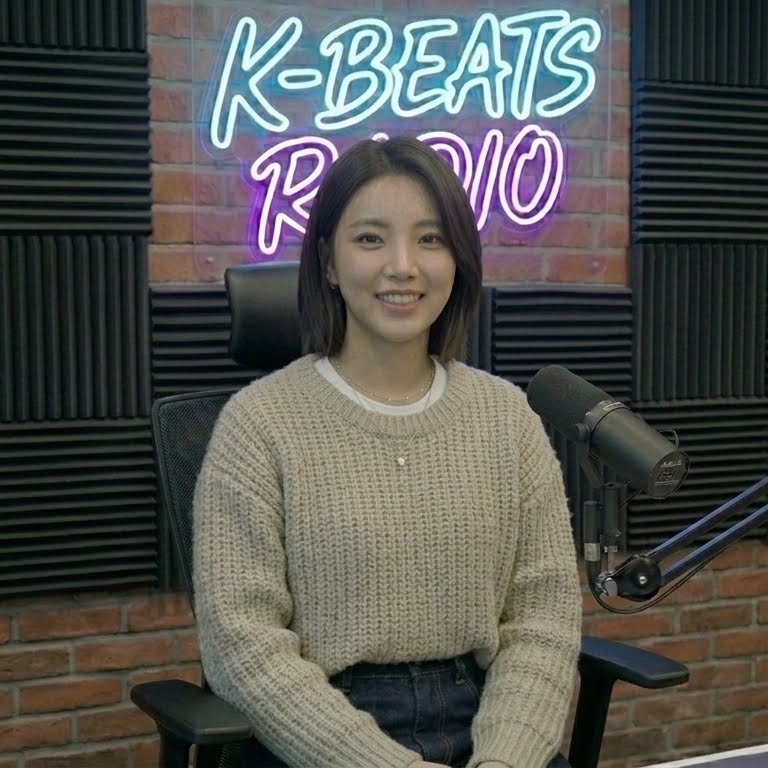
The image of a former K-Pop idol is often painted in extremes: the tragic fall from grace, the triumphant solo debut, or the quiet fade into obscurity. Rarely does the narrative involve a happy, voluntary return to the ordinary—the kind of life that existed before the glittering costumes and screaming fans. That is, until now. In a revelation that has resonated deeply across the industry and its fan communities, former Blossom member Lee Soo-ah has shared that she has quietly returned to her pre-debut job as a hairstylist, citing not just financial necessity, but genuine joy and purpose. The money she earns, she explains with disarming honesty, is funding a very personal project: corrective procedures to address lasting damage from cosmetic enhancements undertaken during her idol years.
This isn't a story of scandal or failure, but one of reclamation. In an industry where image is meticulously manufactured and personal agency can often feel like a contractual afterthought, Soo-ah’s path is a startling act of transparency and self-determination. It forces a conversation about the permanent physical legacies of idol life, the economic realities for mid-tier artists after disbandment, and the surprising power found in stepping off the celebrity treadmill and back into a skilled trade. As she picks up her shears and coloring brushes, Lee Soo-ah isn't just fixing hair; she's meticulously undoing one transformation to fund another, all while rebuilding her identity on a foundation of her own choosing.
The Rise and Fade of Blossom's "Visual Anchor"
To understand the significance of Soo-ah's current chapter, one must look back at her beginnings. Debuting in 2015 under the now-defunct Starline Entertainment, Blossom was a seven-member girl group that promised a "natural, youthful" concept. In a sea of fierce girl crush and bubblegum pop, they carved a modest niche with acoustic-tinged pop and soft choreography. While they never achieved top-tier status, they maintained a loyal fanbase and had a consistent, if unspectacular, run on the music charts for nearly five years.
Lee Soo-ah, positioned as the group's "visual" and a sub-vocalist, was often the focal point of their promotional materials. Her sweet, approachable beauty was a key part of the group's branding. Industry insiders and fans alike noted a subtle but distinct evolution in her features throughout her tenure. What began as minor enhancements—commonplace in the industry for refining an idol's on-camera appearance—reportedly escalated following pressure from the agency's management to conform to a stricter, more "universal" beauty standard ahead of a planned push into the Japanese market.
"We were told it was an 'investment' in the group's future. That if we looked more polished, more perfect, the opportunities would be bigger. At the time, you don't think of it as a choice. You think of it as your duty to the other members and to the fans who support you," Soo-ah shared in a recent, lengthy Instagram Live session, parts of which went viral.
Blossom's disbandment in 2020 was attributed to the standard "expiration of contracts," but behind the scenes, it was a story of a small agency buckling under financial strain, a narrative echoed in the struggles of many groups from that era. The members scattered: one pursued acting, another became a social media influencer, a couple left the industry entirely. Soo-ah attempted a solo venture, but without the backing of a major label, it failed to gain traction. The public spotlight, once a constant, faded to black.
The Silent Struggle: Post-Idol Physical Reality
What fans didn't see was the private aftermath. In her candid disclosures, Soo-ah described dealing with complications and dissatisfaction from the procedures undertaken during her idol days. She spoke not of regret over the initial decision, but of a desire to "reclaim the face that feels like mine" and to correct functional issues that caused chronic discomfort. The cost of reputable, safe corrective surgery in South Korea, however, is prohibitively high.
"I had savings, but life after the group isn't as financially stable as people might imagine," she explained. "The royalties from our music are split many ways and, for a group at our level, they are not substantial. I needed a steady income, but I also needed to do something that didn't feel like a step backward." This crossroads—where financial need meets psychological and physical need—is where her past offered an unexpected solution.
The Salon Chair as a Throne of Autonomy
Long before trainee life consumed her teenage years, Lee Soo-ah was a talented apprentice in her aunt's hair salon in Daegu. It was a skill she loved but had to abandon when she moved to Seoul at sixteen. After disbandment, feeling lost, she returned to Daegu and, almost on a whim, began helping out at the salon again. The sensation, she says, was revelatory.

"The moment I held the scissors again, it was like muscle memory. But more than that, it was the atmosphere. There's no camera, no script, no need to be 'on.' There's just a client, a conversation, and a tangible result you create with your hands. Seeing someone's smile when they look in the mirror… it's a different kind of applause. It's something I truly enjoy doing."
She has since obtained her official certification and works full-time at a stylish salon in a trendy district of Seoul. Her clientele, initially unaware of her past, has grown through word-of-mouth for her skill. Some fans have discovered her and become regulars, creating a unique, quiet bridge between her past and present lives. The income from this work is being meticulously saved for her corrective procedures, which she is undergoing in carefully planned stages.
This narrative dismantles the stigma often attached to "regular jobs" for former celebrities. Soo-ah isn't working in a supermarket or a cafe (though there would be no shame in that); she has returned to a skilled, artistic trade. She is, in effect, still a performer—her stage is the salon chair, her art is transformation, and her audience is one person at a time. This parallels the intimate, personal artistry we've seen other idols fight for, much like the emotional battle for creative permanence waged by NCT Dream, as detailed in our in-depth look at their struggles, "Beyond The Tears: NCT DREAM’s Emotional Crossroads and the Fight for a Permanent Future".
Funding the Face That Feels Like Home
The most poignant layer of this story is the direct link between her current work and her personal healing. Every haircut, every color treatment, is a step toward remedying a physical reality born from her idol past. She has been open about the process on her social media, not in a graphic sense, but in discussing her feelings of anticipation and relief. This frankness about cosmetic revision is unprecedented. Idols frequently get procedures, but discussing them—especially corrective ones—remains a major taboo.
Soo-ah’s stance reframes the conversation from one of vanity to one of agency and well-being. "I am not trying to look like someone else," she has stressed. "I am trying to look in the mirror and see *me* again, comfortably. And I am using a skill I love to make that happen for myself. There is dignity in that."
Fandom's Empathetic Embrace and Industry Whispers
The reaction from the K-Pop community, particularly Blossom's former fandom, "Bloom," has been overwhelmingly supportive and emotional. On forums and social media, the dominant sentiment is one of respect and heartache. "I'm so proud of her for finding happiness and being so brave," one fan wrote on a popular platform. "We loved her then, and we love her now. She's showing us what real strength looks like." Another commented, "This makes me so angry at the companies that pressure these young kids. She's paying for their 'investment' with her own hands, literally."
Beyond her specific fandom, the story has sparked broader discussions among netizens about the hidden costs of idol life. Many have drawn parallels to other exposés about industry pressures, such as the shocking revelations in "Behind the Glitter Curtain: Ex-Tour Manager's Tell-All," which peeled back the curtain on the grueling, often unglamorous realities of touring. Soo-ah’s story adds a deeply personal, long-term physical dimension to that conversation.
However, not all industry reaction has been positive. Some anonymous insiders in online gossip communities have whispered that her openness is "unprofessional" and "damages the fantasy." This backlash, while minor, highlights the exact system Soo-ah has stepped away from—one that prioritizes marketable illusion over individual truth.
A New Blueprint for Post-Idol Life?
The significance of Lee Soo-ah's journey extends far beyond a single headline. It presents a potential new blueprint for the hundreds of idols who debut each year in groups that may not reach stratospheric success. The industry's exit strategy for these artists is notoriously lacking. Soo-ah’s path demonstrates that life after idolhood doesn't have to mean clinging to fading fame or disappearing entirely; it can mean a conscious, fulfilling pivot back to a pre-existing passion or skill.
It also forces the industry to confront the long-term physical and psychological impact of the beauty standards it enforces. The pressure to undergo procedures is rarely documented in contracts, but is a powerful, unspoken rule. Soo-ah’s situation asks a critical question: who bears the lifelong responsibility for these "investments"? Her answer, ultimately, is herself, but her story puts a public spotlight on a private, systemic issue.
Furthermore, her experience underscores the precarious financial position of many mid-tier idols. Without the massive album sales or endorsement deals of A-list stars, their post-group economic survival is uncertain. Her pragmatic solution—a return to a skilled trade—challenges the societal hierarchy that places "celebrity" above all else. In this, her story is one of quiet rebellion and profound resilience. For more on the complex pressures idols face, from contractual disputes to personal struggles, readers can explore our ongoing coverage on our dedicated News page.
The Ripple Effect on Current Trainees and Idols
This story is undoubtedly being discussed in trainee dormitories and agency waiting rooms. For a young trainee being subtly guided toward a cosmetic clinic, Soo-ah’s narrative offers a sobering, long-view perspective. It suggests that the changes made today have consequences decades from now, and that the power to ultimately address those consequences may lie not with the agency, but with the individual and their own two hands.
What's Next for Lee Soo-ah and The Conversation She Started
Looking forward, Lee Soo-ah has expressed contentment with her current dual focus: excelling as a stylist and completing her personal journey of corrective procedures. She has not ruled out a future in the entertainment industry, but has made it clear it would be on her own terms—perhaps as a vocal coach or a consultant who works with idols on mindset and post-career planning. "I have a unique perspective now," she said with a smile. "I've seen it from the inside, and I'm building a life on the outside."
The conversation she has ignited, however, is just beginning. It calls for greater transparency about the pressures idols face, more robust financial planning support for artists at all levels of success, and a destigmatization of diverse career paths after the stage lights dim. Her story is a powerful testament to the fact that an idol's most impactful transformation may not happen under the spotlight, but in the quiet, determined pursuit of a life that is authentically and sustainably their own.
In a culture obsessed with perpetual youth and star power, Lee Soo-ah has found a different kind of power: the power of a steady hand, a honest conversation, and the self-funded freedom to finally face herself. As she continues to shape the looks of her clients, she is, stitch by stitch, salary deposit by salary deposit, reshaping her own future—a future she is cutting and coloring entirely by herself. This quiet revolution, happening one haircut at a time, may ultimately be her most enduring legacy, offering a new and deeply human definition of what it means to truly blossom after the idol life ends.