

The flashbulbs of a music show pre-recording typically paint the world in hyper-saturated color: neon hair, sequined jackets, and blinding stage lights. But lately, a curious quiet has been sweeping through the arrivals. Instead of vibrancy, the most talked-about looks are those of restraint. A BTS member steps out in a head-to-toe cream linen ensemble, looking less like an idol and more like a curator from a Seoul museum. NewJeans, often the harbingers of trend, trade their playful Y2K for sophisticated oatmeal knits and tailored grey trousers. This is not a lack of style; it is a statement. Welcome to the era of K-Pop neutrals—a deliberate, sophisticated fashion movement where beige is the new black, and understatement is the ultimate power play.
The Chromatic Calm Before the Storm: A History of K-Pop Fashion Extremes
To understand the seismic shift towards a neutral palette, one must first appreciate the maximalist history from which it departs. K-Pop's visual identity has long been built on dichotomy and shock. The early 2000s brought us the coordinated, often eccentric, stage outfits—think TVXQ's regal costumes or BIGBANG's groundbreaking streetwear chaos. The 2010s saw the rise of "concept fashion," where each comeback was a head-to-toe thematic immersion, from EXO's dystopian armored looks to Red Velvet's whimsical, almost surreal, storybook aesthetics.
Color served a direct narrative purpose. Fiery reds signaled passion or danger; icy blues and silvers denoted futuristic concepts; pastels embodied innocence. Fashion was a legible code for fans, an immediate signal of a group's current artistic chapter. This reached a kind of glorious peak with the advent of fourth-gen groups, whose concepts became ever more specific and visually dense. The wardrobe was a crucial character in the performance. However, as with any artistic medium, when saturation hits its peak, the most radical move is often towards subtraction. The industry began to see hints of this in idol off-duty style, where the coveted "airport fashion" often leaned into muted, high-end basics. But now, it has confidently marched from the airport tarmac onto the main stage.
From Streetwear to Haute Couture: The Influences Infiltrating the Idol Wardrobe
The neutral trend did not emerge in a vacuum. It mirrors broader global fashion movements led by houses like The Row, Jil Sander, and Lemaire, which champion "quiet luxury"—a focus on exquisite fabric, impeccable cut, and tonal dressing over logos and loud prints. South Korea's own fashion scene, particularly in the upscale districts of Cheongdam and Apgujeong, has rapidly embraced this philosophy. Idols, often dressed by stylists with deep connections to both global luxury houses and avant-garde Korean designers, are the perfect vessels for this translation. Furthermore, in an era where an idol's individual brand is as important as their group's, neutral fashion offers a canvas. It projects maturity, artistic seriousness, and a subtle confidence that screams, "My presence is enough; I don't need neon to be seen." It's the style equivalent of a whisper in a room full of shouts.
Deconstructing the Drape: A Close-Up on the Neutrals Taking Over
This is far more than just wearing beige. The "neutral" wave in K-Pop is a nuanced study in texture, silhouette, and context. Let's break down its key manifestations.
The Power Suit, Reimagined
Gone are the sharp-shouldered, brightly colored blazers of yesteryear. The new idol power suit is in soft wool or relaxed linen, in shades of stone, charcoal, or sand. It's often worn slightly oversized, deconstructed, or with trousers that have an easy, flowing drape. Look at IVE's Jang Wonyoung at a recent press event in a slouchy, double-breasted taupe blazer paired with a simple shell and wide-leg trousers. The effect is not corporate, but artistically authoritative. Similarly, Stray Kids' Bang Chan has been photographed in beautifully tailored, muted grey suits that emphasize a lean silhouette, a look that speaks to a leader's refined poise. This sartorial choice often coincides with periods of intense creative output or leadership visibility, much like how we recently reported on Stray Kids’ Seungmin navigating appearances with thoughtful adaptation, highlighting how personal style and professional presence are deeply intertwined.
The Knitwear Revolution
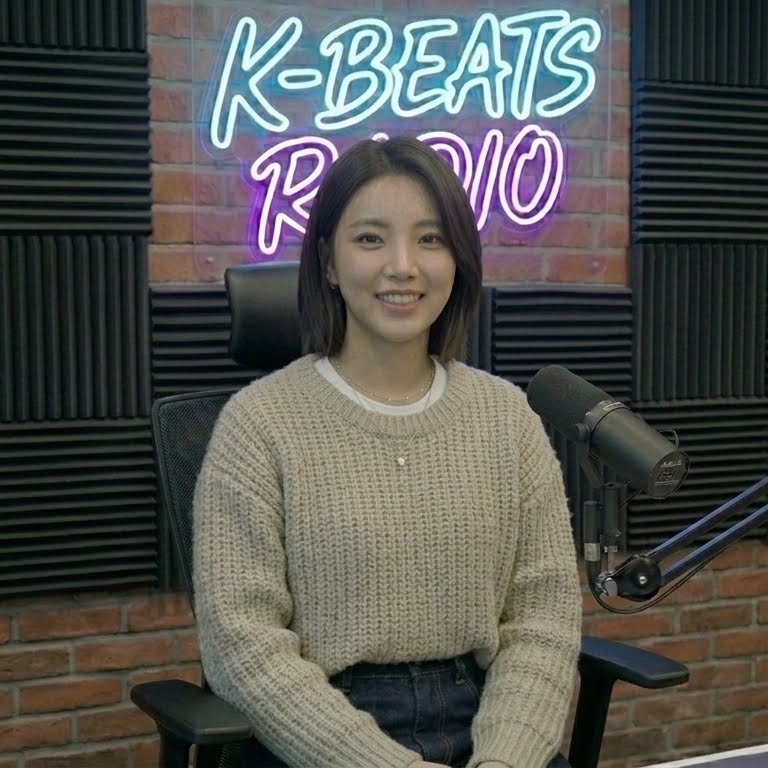
Perhaps the most ubiquitous symbol of the trend is the premium knit. We're talking cashmere crewnecks, mohair cardigans, and ribbed cotton polo shirts in cream, oyster grey, and camel. It's the uniform of choice for "comfort-core" with a luxury edge. NewJeans has mastered this, their styling often featuring cozy, neutral knitwear that feels both nostalgic and incredibly modern. BTS's Kim Seokjin and Park Jimin have become icons of this look during their personal engagements, showcasing how a simple, high-quality neutral sweater can generate as much fan discourse as any stage costume. It signals approachability fused with unattainable taste—a potent combination.
Monochromatic Moment Dressing
The most striking red carpet and pictorial looks now often involve a single, neutral shade from head to toe. aespa's Karina stunned in a liquid-satin slate grey gown that was purely about form and sheen. SHINee's Key, a famed fashionista, recently wore a head-to-toe beige ensemble that mixed textures of leather, cotton, and wool, proving neutrals are anything but boring. This monochromatic approach demands confidence. It tells the world the idol's face, their aura, is the focal point, and the clothing is merely a harmonious frame.

“We’re moving past costume and into character. A neutral palette doesn’t impose a character on the idol; it allows their own character to shine through. It’s authentification through wardrobe,” notes celebrity stylist Park Minhee, who has worked with several top-tier groups.
Fandom’s Focus Shift: From Concept Boards to Fabric Boards
The fan reaction to this trend has been fascinatingly multi-layered. On platforms like Twitter, TikTok, and Instagram, the discourse has evolved. While flashy concept photos still generate explosive engagement, neutral-themed shoots and appearances spark a different kind of conversation.
“Appreciation posts” for an idol’s neutral look often delve into deeper analysis. Fans are identifying specific brands, dissecting the layering techniques, and creating mood boards that compare an idol’s neutral styling to art house film aesthetics or specific art movements. The comment sections on our News page for such stories are filled with remarks like, “The way this styling highlights his eyes,” or “She looks so ethereal and powerful at the same time.” There’s a focus on subtlety and detail that was sometimes lost in more bombastic eras.
This has also fueled the “old money” or “quiet luxury” fan edits, where fans compile clips of their favorite idols in neutral, refined outfits set to classical or jazz music, building an entire narrative of sophistication around them. It’s a form of participatory fandom that engages with fashion on a more analytical level. However, it’s not universal praise. Some fans, particularly those who adore the fantastical elements of K-Pop, express longing for the “wow factor” of colorful, thematic styling. They argue that while neutrals are chic, they can sometimes feel too safe or homogeneous across different artists. The debate itself is a testament to how significant this styling shift has become.
Beyond Aesthetics: The Strategic Industry Implications
The rise of neutrals is not merely a stylistic whim; it's a strategically sound evolution with clear benefits for artists, agencies, and brands.
Branding Versatility and Longevity
Neutral-toned wardrobe pieces are inherently timeless and versatile. An idol’s photographed in a striking neutral outfit isn’t “dated” to a specific, hyper-trendy comeback concept. This extends the shelf-life of content—from magazine pictorials to variety show appearances—and helps build a more consistent, mature individual brand for the idol. It eases the transition from “idol” to “artist” or “actor,” a path many pursue. This focus on timeless style can be seen in the approach of senior groups as well, who often refine their image to underscore longevity, much like the anticipation building around BTOB’s full-group comeback, which promises a unifying, classic sound.
The High-Fashion Gateway
This aesthetic aligns perfectly with the sensibilities of major luxury fashion houses. Idols dressed in clean, minimalist, neutral looks are ideal ambassadors for brands like Celine, Bottega Veneta, Loewe, and Hermès, which prioritize this very philosophy. It’s a more organic pathway to becoming a global house ambassador than a sudden pivot from colorful, concept-heavy stagewear. The neutral trend effectively serves as a portfolio, proving an idol can carry high-fashion aesthetics.
The Focus on Music and Performance
On a pragmatic level, when stage outfits move towards a more uniform, neutral base—as seen in many contemporary choreography practice videos or even in some live stages—it can visually unify the group and force the audience’s attention onto the choreography itself, the vocal delivery, and the group’s synergy. It strips away visual clutter, making the performance itself the spectacle. This aligns with a broader industry push towards highlighting raw talent and stage presence, a shift evident in the acclaim for powerhouse live stages that dominate our Charts page and show wins, such as when BLACKPINK secures wins through commanding stage presence.
The Neutral Horizon: What This Means for K-Pop's Visual Future
So, is K-Pop abandoning color forever? Unlikely. The industry's lifeblood is reinvention and spectacle. However, the entrenchment of neutrals marks a pivotal maturation of K-Pop’s fashion language. It has introduced a valuable new dialect into the visual vocabulary—one of subtlety, texture, and confident minimalism.
We can expect this trend to evolve, not disappear. The future likely holds bold clashes of neutral palettes with singular, shocking pops of color—a crimson lip against a camel coat, a single electric blue accessory on a slate grey suit. We will also see more experimentation within the neutral spectrum itself, playing with voluminous shapes, innovative fabric treatments, and gender-fluid silhouettes. This movement also empowers smaller, design-focused brands and stylists who specialize in this aesthetic, diversifying the fashion ecosystem around K-Pop.
Ultimately, the "Next In: Neutrals" movement is about choice and range. The idol of today can be a fantastical, color-drenched superhero on Tuesday and a paragon of minimalist elegance on Wednesday. This versatility is the true mark of a modern icon. Just as the industry sees constant reconfiguration, from actor-idol collaborations like the narrative depth in "Our Universe" to the exciting subunit explorations like SEVENTEEN’s Vernon and The8 launching a new unit, fashion too is expanding its narrative toolbox. The neutral palette isn't replacing the rainbow; it's providing the sophisticated canvas upon which the next generation of K-Pop's dazzling colors will ultimately shine even brighter.