
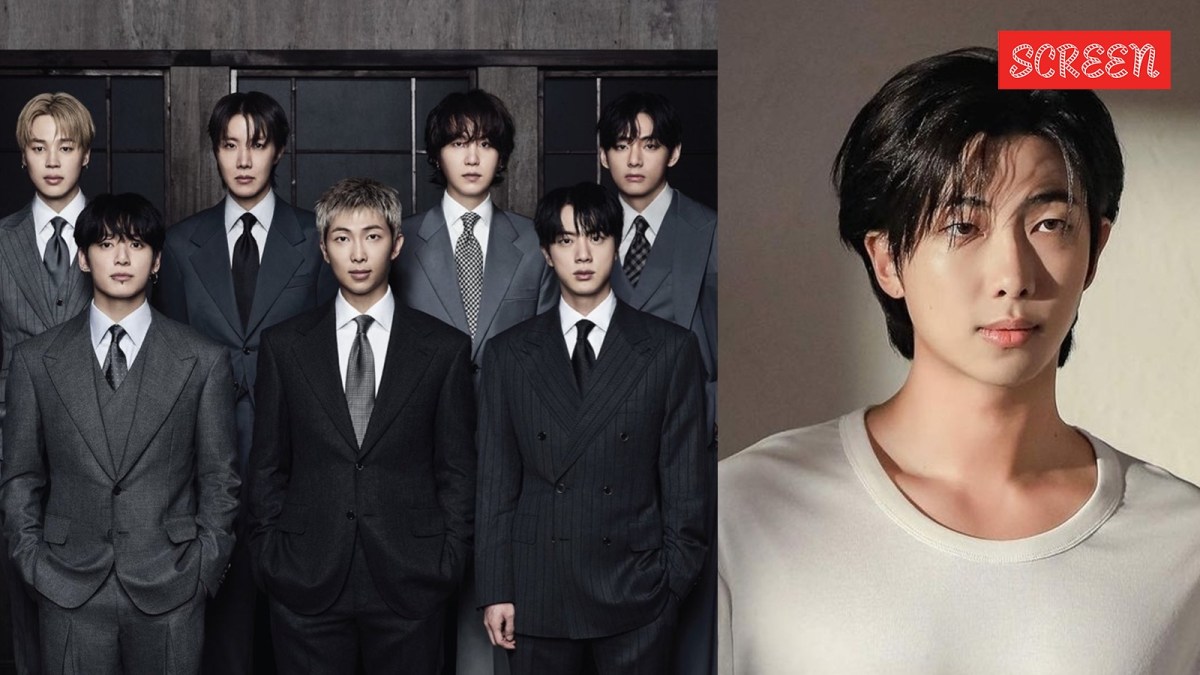

The Stage Is Set, The Leader Is Halted: An Unforeseen Twist in the Grand Narrative
In the meticulously choreographed world of K-Pop, a comeback is a symphony of timing, precision, and explosive energy. For BTS and the global ARMY, the announcement of the grand live event “ARIRANG” was not merely a promotional stop; it was heralded as a monumental homecoming, a full-group convergence signaling a powerful new phase after a period focused on individual endeavors. The anticipation was a palpable force, crackling across social media and fan communities worldwide. Yet, in a stark reminder of the fragile human element behind the superstar spectacle, that momentum has encountered a physical barrier. The news that leader RM has sustained an ankle injury, necessitating limited participation in the pivotal event, has sent a ripple of concern through the fandom, casting a new light on the pressures of performance and the adaptive spirit of the world’s biggest band.
This development transcends a typical injury report. It intersects with the profound narrative BTS has built with their fans—one of unwavering perseverance, mutual protection, and artistic integrity. The injury arrives at a critical juncture, forcing a last-minute recalibration of a flagship event meant to showcase unity and strength. It prompts difficult questions about the relentless demands placed on idols' bodies and the complex logistics of accommodating such setbacks at the highest level. Yet, as history has shown, challenge often forges BTS's most defining moments. How the group, the company, and the fans navigate this hurdle will become a telling chapter in the ongoing story of their evolution.
From Hiatus to Homecoming: The Weight of "ARIRANG" in BTS's Journey
To understand the significance of this moment, one must look back at the path that led to it. After the seismic announcement in 2022 regarding their focus on solo projects—a move framed not as a dissolution but a necessary expansion—each member embarked on a distinct artistic voyage. RM himself delivered the introspective solo album ‘Indigo’, a critically acclaimed work that cemented his stature as a profound lyricist and curator. These individual chapters, from Jin's military enlistment to Jungkook's global pop domination, were always understood as tributaries destined to flow back into the mighty river of the group.
The promise of a full-group comeback has been the north star for ARMY throughout this period. The event title “ARIRANG” is itself deeply symbolic, referencing a centuries-old Korean folk song of loss, perseverance, and resilience. Its choice suggests a comeback that is culturally rooted, emotionally resonant, and reflective of the group's journey. This wasn't slated to be just a performance; it was positioned as a narrative event, a ceremonial return to the stage as a complete entity. The pressure for a seamless, powerful showcase was immense, representing not just a new musical era but the proof of concept for BTS's long-term "Chapter 2" strategy. For more on the pressures of idol life and public scrutiny, our analysis of a recent viral moment involving Jungkook offers deeper context: Beyond the Microscope: Jungkook's Viral Moment Sparks Critical Dialogue on Idol Scrutiny, Fan Protection, and the Unseen Scars of Fame.
The Unrelenting Physical Toll of Performance
Injuries are, tragically, a common footnote in K-Pop history. The industry's standard for perfection demands extreme physical exertion: complex choreography practiced for endless hours, hectic schedules that prioritize minimal rest, and performances that often push the body to its absolute limit. Ankles and knees are particularly vulnerable points for performers. BTS themselves are no strangers to this reality. From Jungkook's shoulder and knee injuries to Jimin's past struggles, the members have often performed through pain or undergone surgeries, their recoveries meticulously documented and agonized over by fans. This context makes RM's injury not an anomaly, but part of a systemic occupational hazard. It forces a moment of pause, a public acknowledgment of the physical cost behind the flawless performances fans cherish. Explore the careers of countless idols who navigate these pressures on our Artists page.
The Official Announcement: Decoding the Details and Implications
The statement from BIGHIT MUSIC, released on March 19th, was characteristically careful yet direct. It confirmed that RM sustained the ankle injury during "final preparations" for the “ARIRANG” event. The phrasing is crucial—it points to the intense, high-stakes rehearsal period where fatigue can peak and accidents happen. The company assured fans that RM immediately received medical attention and that the "focus is on his recovery." The most consequential line, however, was the confirmation that he would participate in the live event but with "limited movement on stage."
"We ask for your generous understanding as the artist himself is determined to be present for ARMY despite the circumstances. We are committed to providing the best possible experience for everyone attending and viewing, while prioritizing the health and safety of our artists."
This single sentence unlocks a torrent of logistical and creative challenges. What does "limited movement" entail in practice? For a group whose performances are symphonies of synchronized, high-energy choreography, the absence or restriction of one member’s movement requires a complete re-blocking of stages. It likely means:
- Stationary Performances: RM may perform certain group songs from a seated or fixed position on stage, akin to a live band setup.
- Adapted Choreography: The other six members may adjust their formations to subtly compensate or draw focus, a testament to their years of teamwork.
- Emphasis on Vocal and Rap Sections: Moments where RM has solo rap parts or vocal lines may be structured to highlight his artistry without physical demand.
- Increased A/V Production: The production may rely more heavily on immersive visuals, camera work, and stage design to maintain dynamism.
The determination of RM to participate speaks volumes about his sense of responsibility as a leader and his connection to ARMY. Yet, it also highlights the immense pressure idols feel to fulfill commitments, even at personal cost. The company’s pledge to prioritize health is a necessary reassurance, but its execution in the glare of a global live event will be the true test.

ARMY's Response: A Wave of Concern, Adaptation, and Unwavering Support
Within minutes of the announcement, the global fandom ecosystem erupted. The dominant emotion was immediate and profound concern for RM's well-being. Trending hashtags like #GetWellSoonRM and #WeLoveYouRM flooded Twitter (X), with fans sharing wishes for a full and restful recovery. This reaction mirrors a matured fan culture that increasingly prioritizes artist health over uncompromising output, a shift seen across the industry.
Beyond the well-wishes, however, was a fascinating display of collective problem-solving and reaffirmed dedication. Fan communities began speculating, with a tone of supportive curiosity, about how the staging might adapt. "Theo-rists," as BTS fans are famously known, started brainstorming creative solutions—recalling past performances where members had injuries, analyzing which songs from the expected new material might suit a seated performance, and advocating for a "concert vibe" where raw vocals and emotion could take center stage.
Critically, the response has been almost universally free of disappointment directed at the situation. Instead, the narrative has flipped. The event is now framed by many fans as an even more powerful demonstration of BTS's ethos: overcoming obstacles together. Comments like "We'll cheer twice as loud for him" and "This just shows they're human, and we're here for the music and *them*, not just the dance" have become commonplace. This collective mindset transforms a potential setback into a unifying event, strengthening the communal bond. It echoes the sentiment explored in our coverage of other artists reclaiming their narrative, such as in Through the Portal: T.O.P's 'ANOTHER DIMENSION' Marks a Pioneering Solo Return and a Reclamation of Artistic Destiny.
Industry Ripples: The Broader Impact of an Idol Injury
While a singular event, RM's injury and its handling offer a case study with implications for the entire K-Pop industry. Firstly, it underscores the growing necessity for comprehensive health and safety protocols that extend beyond crisis management to preventative care. The fact that the injury occurred during preparation is a stark reminder that the risk is omnipresent, not just during live shows.
Secondly, it tests the flexibility and contingency planning of even the most well-resourced agencies. BIGHIT MUSIC is now tasked with executing a high-profile, likely revenue-generating event that must deviate from its original vision without diminishing its impact. How they manage this—through creative direction, transparent communication, and genuine care for the artist—will be scrutinized by other agencies and fans alike, potentially setting a new standard for handling similar situations.
Furthermore, this incident may influence how future large-scale comeback events are structured. Could we see a move towards more hybrid formats that inherently allow for variability? Does it argue for built-in "rest" positions within choreography for such contingencies? The industry often learns from the experiences of its top tiers, and BTS's situation provides a high-profile learning opportunity. The focus on health also intersects with ongoing conversations about mandatory military service and its impact on idol careers, a topic BTS has navigated publicly. For a look at how other groups are pushing creative boundaries in their planning, see our report on AMPERS&ONE Drops "DEFINITION" Teaser: The FNC Rookies Plot a Genre-Bending Conquest for April.
The Commercial and Chart Calculus
An immediate question is the potential impact on the comeback's commercial performance. Historically, BTS's releases are chart juggernauts, driven by a loyal fanbase and immense public interest. While a live event injury is unlikely to dent album pre-orders or streaming numbers—which are already at record levels—it could subtly influence the *perception* of the comeback rollout. The media narrative, for a time, shifts from "triumphant return" to "resilient return." However, if handled with grace and authenticity, this narrative can deepen the emotional resonance of the music itself, potentially creating an even stronger connection with listeners. Track the performance of their new music as it drops on our Charts page.
Looking Forward: Recovery, Resilience, and the Road Ahead
The immediate future is clear: the “ARIRANG” event will proceed as a testament to adaptability. All eyes will be on how the production team and the members themselves creatively integrate RM's limited mobility into the show's fabric. This challenge may well birth unforgettable, intimate moments—a powerful rap verse delivered with arresting stillness, a vocal run that captures pure emotion without the filter of motion. It will be a live demonstration of the group's professionalism and their prioritization of presence over perfection.
Following the event, the focus will rightly return to RM's full recovery. The coming weeks will likely see a modified schedule for him, possibly affecting some initial group promotions. The hope is that the company will allow adequate healing time, preventing a minor injury from becoming a chronic issue—a lesson the industry is slowly learning. In the longer term, this incident may inform how BTS approaches the physical demands of their next full group tour, potentially incorporating more varied stage configurations that allow for artistic expression without constant, punishing choreography.
Ultimately, this moment of fracture may reveal the true tensile strength of BTS's foundation. Their story has always been one of overcoming odds, from a small agency to global dominance. An ankle injury is a physical manifestation of the obstacles they've metaphorically surpassed for years. As ARMY mobilizes to support their leader and the group adapts in real-time, the “ARIRANG” comeback is being redefined. It is no longer just a celebration of return, but a powerful, real-time enactment of the very resilience the folk song symbolizes. The music will play, the fans will cheer, and the leader will be present, albeit seated—a poignant reminder that the show, and the unbreakable connection it represents, goes on. For all the latest developments as this story unfolds, stay tuned to our News page.