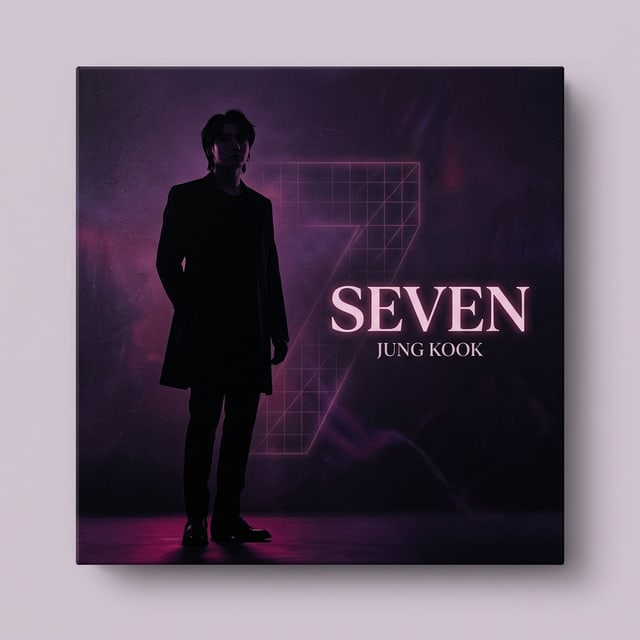


The relationship between a global supergroup and its fandom is often described as symbiotic, a delicate dance of devotion and reciprocation. But what happens when the very structures built to protect that bond are interpreted as barriers to it? This week, BTS and their management company, HYBE, find themselves at the epicenter of a heated cultural debate that strikes at the heart of K-Pop's fan service ethos. Ahead of their scheduled "2025 MUSTER: MAGNETIC" reunion concert in Seoul, announced logistical and safety protocols have not been met with universal relief, but with a vocal wave of backlash, accusations of elitism, and even calls for boycott from a segment of the domestic fanbase.
The controversy illuminates a painful growing pain for an industry that has achieved unimaginable global scale: how to safeguard artists whose fame borders on the metaphysical, without alienating the local community that first crowned them. For BTS, a group built upon a narrative of closeness and communication with ARMY, the perception of imposed distance cuts particularly deep. This is not merely a story about traffic cones and barricades; it is a story about legacy, accessibility, and the evolving—some would say eroding—social contract between Korean idols and their home-country fans.
From Busan to the World: The Unbreakable Vow of Proximity
To understand the weight of the current criticism, one must revisit the foundational mythos of BTS. Long before they were filling stadiums worldwide, they were the underdog group from a small agency, whose survival depended on an almost hyper-accessible form of fan engagement. From impromptu live streams and handwritten notes to the legendary "FESTA" events, their rise was characterized by a perceived dismantling of the traditional idol barrier. The connection felt tangible, intimate, and mutual.
This history makes the group's current status as a national treasure and global institution all the more complex. Their 2022 "Yet to Come" concert in Busan, aimed at supporting the World Expo bid, was a logistical marvel but also a preview of tensions to come. The scale required immense security, road closures, and coordination with government agencies, transforming a concert into a national event. For many international fans, it was a celebration of their stature. For some local residents and fans, however, it was an early sign of the group becoming a "disturbance," an entity separate from the daily fabric of life—a sentiment that has painfully resurfaced.
As we explored in our analysis of pressure in high-stakes professions, "Beyond the Runway", the weight of public expectation and the need for security create a paradoxical prison for those in the spotlight. For BTS, every public move is now a state affair, a far cry from their early days of busking and small fan meets.
The Spark: Decoding "Crowd Safety Protocol 3.0"
The immediate flashpoint is HYBE's detailed "Crowd Safety Protocol 3.0," released in conjunction with Seoul Metropolitan Government and the Gangnam District Office for the upcoming concert at the Seoul World Cup Stadium. While such plans are standard for major events, the specific measures—and their framing—have ignited the fire.
The Contested Measures
The protocol includes a multi-layered perimeter system extending nearly a kilometer from the stadium, unprecedented for a concert at the venue. Key points of contention include:
- Extended Traffic & Pedestrian Control: Major roads around the stadium will be closed for 48 hours, from load-in to load-out. Public bus routes will be diverted, and subway exits nearest the venue will be "managed for flow," effectively restricting access to local businesses.
- Residential Zone Permits: For the first time, residents within a designated zone must show proof of address to enter the area during the event window. While intended to prevent loitering and ensure resident safety, it has been labeled as creating a "gated community" for a concert.
- Structured Fan Queue Zones: The traditional, often chaotic, early-morning queueing culture is being replaced by a strict, timed entry system using virtual queues. While safer, it eliminates the communal, festive camping experience many Korean fans cherish.
- Corporate Partnership Blitz: The branding and activation spaces for official corporate partners (a telecom giant, a luxury brand, a beverage company) are given prime, accessible locations, while fan-organized support projects are relegated to distant, approved zones.
A statement from a HYBE official, meant to reassure, instead fueled accusations of arrogance:

"The safety of our artists and attendees is our absolute priority. The scale of this event, with attendees from over 100 countries, requires international-standard safety measures. We ask for the public's understanding as we execute a plan vetted by global security experts."Critics pounced on the phrase "international-standard," interpreting it as a dismissal of local concert culture and a declaration that BTS has outgrown Korean norms.
The Fractured Fandom: A Rift Between Global and Local ARMY
The reaction within the ARMY fandom has been starkly divided, largely along geographic lines. On international social media platforms like X (formerly Twitter) and TikTok, the mood is largely supportive. Comments emphasize the need for safety, citing past tragic crowd crushes in Itaewon and elsewhere, and praise HYBE for "professionalism."
The Korean response, concentrated on forums like Daum Cafe, Nate Pann, and theqoo, tells a different story. A viral post titled, "We made you, but now you shut us out," captures the prevailing sentiment of betrayal. "They used to run to us. Now they need a presidential-level security detail to be near us," one highly-upvoted comment read. The boycott calls, while unlikely to impact sold-out shows materially, are a powerful symbolic protest. Fans are coordinating to avoid purchasing official merchandise at the venue and to boycott the livestream pay-per-view, urging others to "let the global fans fund their fortress."
This tension mirrors other recent moments where idol expression clashed with fan expectation. Just as ZEROBASEONE's Gyuvin faced debate for a personal artistic choice, BTS is now navigating the backlash against a corporate logistical choice made on their behalf. Furthermore, the emotional rawness of the moment recalls IVE's Rei's live broadcast confession, which highlighted the immense personal cost of maintaining a perfect idol image. Here, the "image" under fire is not of the members themselves, but of their entire operational apparatus.
Industry Analysis: The Inevitable Isolation of Mega-Stardom
This incident is not an anomaly but a symptom of K-Pop's astronomical success. The industry is grappling with a fundamental paradox: the fan-idol relationship is marketed as intimate and personal, but the economic and safety realities of top-tier groups demand impersonal, industrial-scale management.
A Security Imperative in a Tense Era
Security experts consulted for this piece affirm that HYBE's measures, while extreme, are not unfounded. The threat landscape for celebrities of BTS's caliber has changed dramatically, encompassing everything from obsessive sasaeng fans to more generalized public safety threats. The 2022 Itaewon tragedy permanently altered South Korea's approach to crowd management. For a company liable for the safety of its artists and hundreds of thousands of fans, erring on the side of caution is a legal and moral imperative. The criticism, therefore, may be less about the need for security and more about its aesthetic—the visual and experiential impact of a militarized zone around a celebratory event.
The "Local Fan" as an Endangered Concept
For decades, the local fanbase—the ones who attend music show recordings, fan signs, and local concerts—was the core economic and cultural engine of a K-Pop group. With globalization, the economic center of gravity has shifted. A group like BTS now earns more from international touring, streaming, and global brand deals. The domestic concert, while culturally significant, can become a loss-leader or a logistical headache. This creates a perilous dynamic where the most dedicated local fans feel sidelined in favor of a more lucrative, but distant, global audience. It’s a commercial reality that feels like cultural abandonment.
This trend is visible across the industry, as seen on our Charts page, where global streaming numbers often tell a different story than domestic physical sales. The role of the fan is being commodified and standardized on a global scale, leaving behind the quirky, specific traditions of Korean fandom culture.
What's Next: Reconciliation or a New Normal?
The path forward for BTS and HYBE is fraught. The concerts will go on, likely without a hitch from a security perspective. The real challenge begins when the lights go down. Can this rift be healed, or is it the inevitable cost of a fame this vast?
First, the narrative must be reclaimed. HYBE's communications have been clinical and defensive. A more empathetic approach, perhaps directly from the members themselves—acknowledging the awkwardness of their own stature and expressing heartfelt regret for the inconvenience to their hometown—could go a long way. They have done this before, turning vulnerability into connection. They must find a way to do it for this institutional problem.
Second, long-term strategy must be addressed. As the members gradually return from military service, their future engagements in Korea will be scrutinized. Will they retreat further into fortified, hyper-controlled events, or can innovative solutions be found? Could they host multiple, smaller-scale "thank you" events for local fans, separate from the mega-concerts? The industry will be watching, as the decisions made for its biggest act will set a precedent for others. For more on artists making profound personal choices for their well-being, consider Lee Jihoon's recent decision to step back for family, a reminder that priorities must constantly be evaluated.
Ultimately, this controversy is a milestone. It marks the moment BTS, the boys from Bangtan, fully and irreversibly became BTS, the institution. The dream they sold—and lived—was one of attainable closeness. The reality they now inhabit is one of necessary distance. The task ahead is to build a new kind of bridge across that gap, one that honors the safety required by their present without disavowing the intimate promise of their past. The loyalty of ARMY is being tested not by a scandal, but by the cold, hard logistics of love on a planetary scale. How this is navigated will be their next great, unscripted performance. For continued coverage on this and all stories shaping the K-Pop world, follow our ongoing reporting on our News page.