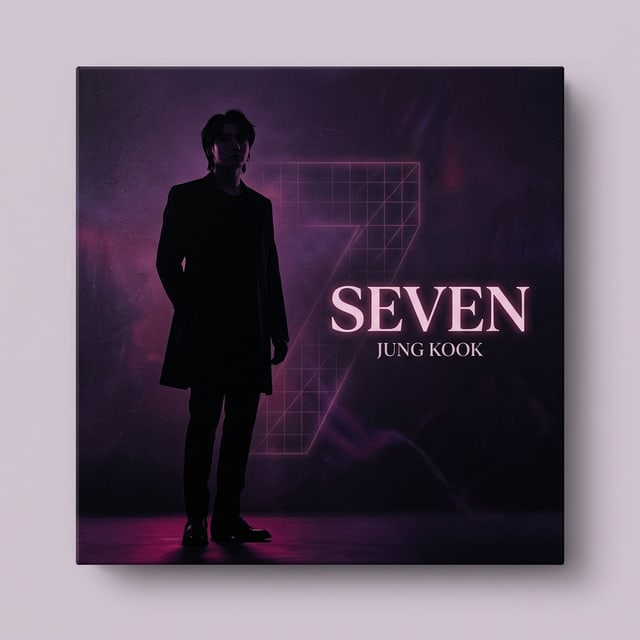

The life of a global superstar is often described as living in a fishbowl, but for BTS's Jungkook, that aquarium suddenly felt more like a high-resolution live stream broadcast to the world this past weekend. What was reportedly a private, casual dinner with close friends in Seoul's upscale Cheongdam-dong district has erupted into a sprawling, multi-platform controversy, exposing the raw nerve at the center of modern idol culture: the contested right to a private life. The incident, first captured in grainy fan-taken photos and dissected across social media platforms, has ballooned far beyond typical tabloid fodder. It has sparked a heated, and at times vicious, debate about fan entitlement, media ethics, and the immense psychological toll of hyper-visibility.
For the uninitiated, the facts seem mundane. Jungkook, currently on a planned hiatus from group activities as his bandmates fulfill their mandatory military service, was seen entering a restaurant. He was not alone, but in the company of individuals identified by online sleuths as long-time non-celebrity friends and industry associates. There were no signs of disturbance, no illicit activity, just the simple, universal act of sharing a meal. Yet, within hours, the digital ecosystem surrounding the world's biggest pop star convulsed. The resulting firestorm says less about Jungkook's actions and far more about the unprecedented, often paradoxical, relationship between a 21st-century idol and his audience.
The Making of a Global Icon: From Busan to Beyond the Spotlight
To understand the magnitude of this reaction, one must first understand the unique trajectory of Jeon Jungkook. Debuted at just 15 years old with BTS under Big Hit Music (now HYBE), his growth—both artistic and personal—has been meticulously documented and passionately followed by millions. Dubbed the "Golden Maknae" for his all-rounder talents in singing, dancing, and even stage production, Jungkook evolved from a shy teenager into a confident global performer and solo artist. His 2023 solo debut album, GOLDEN, was a record-shattering success, cementing his status as a formidable standalone artist. This period of individual activities, while his hyungs are enlisted, was framed as a time for personal exploration and artistic development. Fans, known as ARMY, largely supported this, celebrating his solo ventures and appearances.
However, this phase also exists in a strange liminal space. With the protective, collective unit of BTS temporarily dispersed, the focus on each member intensifies. Jungkook, often under particular scrutiny for his every move, finds himself at the center of this intensified gaze. His life outside of official schedules—a space he has cautiously guarded—becomes a subject of intense curiosity and speculation. This context is crucial. As we explored in our analysis of the industry's evolving soundscapes in Symphony of Shadows & Light, the K-Pop ecosystem is built on a carefully managed balance of access and mystery. Jungkook's current situation tests the very limits of that balance.
The Hiatus Paradox: Increased Scrutiny in a "Break" Period
Industry analysts note a common paradox during group hiatuses, especially for acts of BTS's magnitude. "The perceived 'downtime' for the artist is often anything but for the fandom and media," says culture critic Park Ji-won. "With fewer official content drops, the vacuum gets filled with anything fans can find. Every casual sighting, every blurry photo, becomes a major data point. The appetite for information doesn't diminish; it redirects." This creates an environment where a private dinner is no longer just a private dinner—it becomes a text to be analyzed, a narrative to be constructed, and for some, a personal investment to be evaluated.
The Spark That Lit the Fuse: Anatomy of a Viral Night
The incident unfolded with the now-standard digital choreography of a celebrity sighting. Initial photos, purportedly taken from a respectful distance by a diner at another table, hit online fan communities. They showed Jungkook dressed down in a black cap and comfortable clothing, laughing with his companions. The tone in these early communities was largely positive: "JK looking happy and relaxed!" "He deserves a night out."
The shift began with a series of questions that rapidly morphed into accusations. Who was he with? Why weren't any other BTS members present? Was that a particular brand of alcohol on the table? Speculation about the identities of his friends led to invasive searching of their social media histories. Within hours, narrative splintering occurred. One faction of fans expressed protective concern, worried about his safety and the company he keeps without the agency's "supervision." Another, more toxic segment voiced feelings of betrayal, framing the night out as a frivolous act while his bandmates are in the military, or as a slight against the fandom itself.
"The conversation devolved from 'Jungkook was seen' to 'Jungkook has obligations he is ignoring,' with zero evidence of any wrongdoing. It's a frightening case study in how parasocial relationships can curdle into a sense of ownership," commented digital anthropologist Dr. Lee Soo-kyung in a thread dissecting the online discourse.
Traditional media outlets, including the source that sparked this assignment, then amplified these online debates with headlines framing the event as a "controversy" or "scrutiny," thus validating the frenzy and pulling in a mainstream audience. Paparazzi-style footage, likely sold for a high price, emerged showing his departure from the venue, further fueling the cycle.
The Role of "Mise-en-Scène" and Fan Expectation
Part of the visceral reaction can be traced to a disruption of the expected "mise-en-scène." Fans are accustomed to seeing Jungkook in specific, controlled settings: on stage, in a meticulously produced music video, in a cozy "Jungkook's Room" live stream, or in official photo-folios. These are contexts where he is, to some degree, "on." A raw, unfiltered glimpse into a genuinely private moment—even something as benign as a dinner—breaks that fourth wall in a jarring way for some. It contradicts the curated narrative, creating cognitive dissonance. This isn't a new phenomenon; the entire industry grapples with the duality of public and private selves, as discussed in our piece on artistic duality. But the scale here is unprecedented.
A Fandom Divided: The Tumultuous Spectrum of ARMY Reaction
The reaction from ARMY, one of the most organized and passionate fandoms on the planet, has been profoundly mixed, showcasing the vast diversity within such a large community. On platforms like Twitter, Weverse, and Instagram, a civil war of sorts has broken out, with hashtags both defending and condemning the star's right to privacy trending simultaneously.
The "Let Him Live" Cohort: A significant portion of the fandom has rallied under banners of support and protection. "He is a 26-year-old man having dinner. That's the story. End of story," has become a common refrain. These fans have flooded social media with reminders of Jungkook's own past comments about valuing his private time and his polite requests for personal space. They actively report invasive accounts and spam positive messages, urging others to focus on his artistic work and well-being. Their argument is rooted in a fundamental respect for his personhood outside of his idol identity.
The "Concerned" and "Disappointed" Factions: More nuanced, and more problematic, are the voices expressing "concern." This often masks a desire for control, couched in the language of care. Comments range from "I'm just worried those friends might be using him for clout" to "Should he be out like that when the group is in such a sensitive phase?" This reflects a deep-seated parasocial relationship where fans believe their investment (emotional, financial) grants them a stake in his decision-making. A smaller, more vocal edge expresses outright disappointment, feeling a personal let-down by his choice to engage in normal social behavior.
"The scariest part is watching some fans perform mental gymnastics to justify their surveillance," notes a long-time fan and community moderator who wished to remain anonymous. "They say they love him, but that love comes with a list of conditions and a GPS tracker. It's stifling, and it's why so many idols eventually break."
The debate has even spilled over into discussions about other idols' experiences, with fans drawing parallels to the intense scrutiny faced by artists like BLACKPINK's members during their personal time, even as they achieve historic wins like those detailed in our Inkigayo coverage.
Broader Implications: A Stress Test for the K-Pop Ecosystem
This incident is not an isolated one, but its scale makes it a critical stress test for the entire K-Pop industry. It touches on several systemic issues:
- The Parasocial Pressure Cooker: The industry cultivates intimate fan-idol connections. Platforms like Weverse and Bubble sell the illusion of direct access. This incident shows the potential backlash when the reality of a separate, private life collides with that cultivated illusion.
- Media's Amplifying Role: Outlets face a dilemma: report on undeniable public interest or refuse to fuel a harmful invasion of privacy? The choice to frame normalcy as controversy has tangible consequences for the artist's mental health and safety.
- Agency Protocol in the Social Media Age: HYBE has remained notably silent. This silence itself is a statement. In the past, agencies might have issued clarifications or warnings. Today, engaging can add fuel to the fire. The strategy seems to be one of non-amplification, a tactic becoming more common as seen in other high-profile situations, such as the innovative fan-concert strategies explored in our article on Jung Hae-in's agency and ticket scalping. The focus is on behind-the-scenes security and legal measures, not public relations.
- The Changing Idol Contract (With the Public): Is there an unspoken, evolving clause in the idol-fan contract regarding off-duty time? Younger generations of fans and idols appear to be negotiating new terms. While scandals of old often involved hard rule-breaking, the "offense" here is simply existing privately. This signals a possible, painful growing pain as the industry matures.
Furthermore, this scrutiny impacts creative expression. When an artist's every move is policed, does it not inevitably seep into their art, encouraging safer, more palatable choices? This is a challenge even for groups lauded for their unique sound, as we examined in The P1Harmony Paradox. For a solo artist like Jungkook, whose future music may draw from personal experience, this climate is particularly restrictive.
Navigating the New Normal: What Lies Ahead for Jungkook and the Industry?
The immediate aftermath will likely see a tightening of the bubble around Jungkook. Security will be enhanced, and private arrangements will become even more discreet. We may witness a longer period of "radio silence" on personal matters, a retreat into the safety of strictly official content. This is the tragic irony: the invasion of privacy often leads to less, not more, genuine connection.
In the longer term, this event may serve as a catalyst for important conversations. Fan communities are already engaging in sober self-reflection about boundaries. Larger, more organized fan unions may draft and promote codes of conduct for respecting privacy. Within agencies, there will be renewed focus on psychological support and digital literacy training for artists, teaching them how to navigate a world where every public space is a potential stage.
For Jungkook himself, the path forward is a tightrope. His immense fame grants him unparalleled influence, but it also comes with this surreal cost. His choices now—whether to address it indirectly through art, to make a direct statement, or to continue silently upholding his right to a normal life—will be closely watched. One hopeful outcome is that his stature allows him to set a powerful precedent: that an idol's right to personal time is non-negotiable.
The ultimate resolution to debates like these won't be found in a single news cycle or fan forum. It will be a gradual cultural shift within the global K-Pop community, a renegotiation of the terms of adoration. It requires recognizing that the genius behind the music on our Charts page and the fascinating individuals profiled on our Artists page are full, complex human beings entitled to moments that belong solely to them—even if it's just a quiet dinner with friends. The health of the industry, and the well-being of its artists, depends on it.