
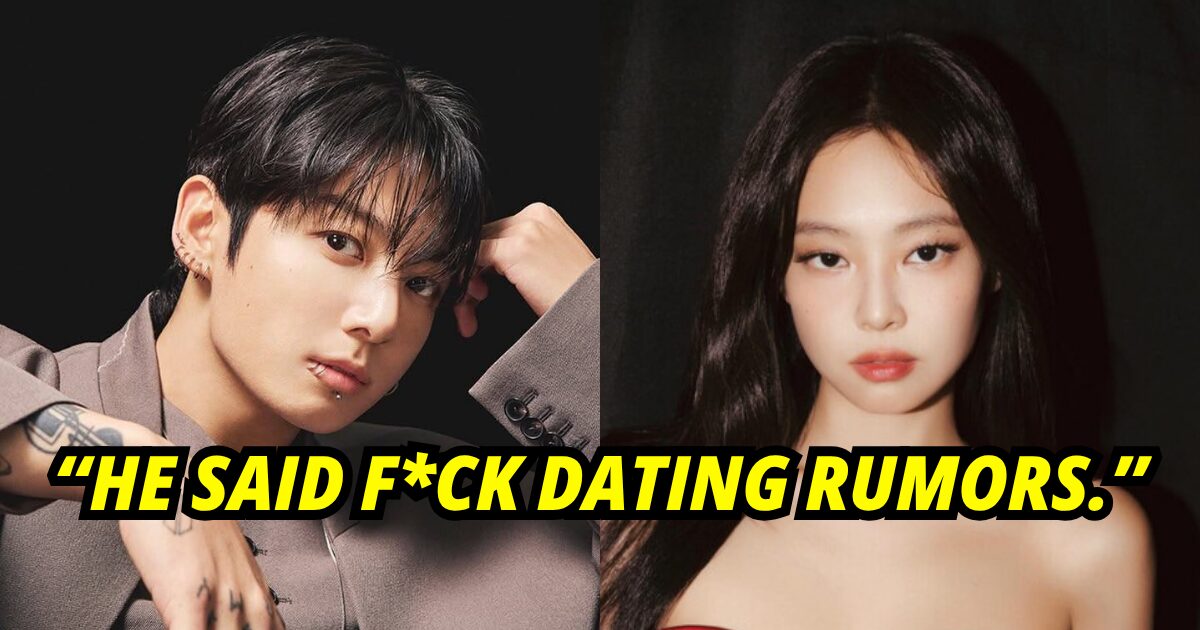

The air in the K-pop sphere is rarely still, a constant whirlwind of comebacks, chart battles, and carefully curated content. But sometimes, a breeze blows through that feels entirely different—a genuine, unscripted gust of human connection that, in its simplicity, manages to upend expectations. For the past week, that breeze has had a name: Jeon Jungkook. The BTS member, currently serving in the military, has become the unlikely epicenter of a massive online discussion not for a new song or a staged variety show moment, but for a series of casual, friendly interactions with idols from outside the HYBE fortress, most notably members of the industry's other powerhouse, BLACKPINK.
What began as whispers and grainy fan-cam glimpses from a Coachella party has erupted into a full-blown cultural moment. It's a phenomenon dissected on every platform from Weverse to Twitter to TikTok, revealing a fascinating tapestry of fan hope, industry politics, and the enduring power of an idol's authentic self. This isn't just gossip; it's a lens into a shifting industry landscape, where the high walls between major agencies are being tested not by corporate maneuvering, but by the simple, human actions of its biggest stars. At our News page, we track the daily pulse of K-pop, but stories like this define its evolving soul.
A Legacy of Bridge-Building: Jungkook's History of Genuine Interaction
To understand the weight of the current reaction, one must look at Jungkook's established history. He has never quite fit the mold of a strictly regimented idol when it comes to peer relationships. Long before global superstardom cemented BTS and BLACKPINK as parallel universes, a younger Jungkook was openly vocal about his admiration for BLACKPINK's music and performance. This wasn't unique—idols often praise seniors or contemporaries—but Jungkook’s sincerity often pierced the usual formal barriers.
His reputation as a "fanboy" turned colleague is well-documented, but it extends beyond YG artists. He has shared friendly, respectful moments with seniors from SM Entertainment and JYP Entertainment, often highlighted in award show behind-the-scenes clips or during year-end specials. This demeanor created a specific image: Jungkook as the talented, somewhat shy yet genuinely enthusiastic golden maknae who respects his industry peers without getting entangled in the often-toxic fan wars that plague inter-agency relations.
This background is crucial. It means his recent actions are not seen as a shocking departure, but as a natural, if significantly amplified, continuation of his character. As explored in our related piece, "The 'One-Shot' Idol: Daeun's Jungkook Confession & The Unseen Pressure of the HYBE Family Legacy", his influence within his own company is immense. Yet, his influence outside it is now proving to be equally potent, built on a foundation of perceived authenticity that has been years in the making.
The HYBE Bubble and the Idol Social Landscape
For years, the K-pop ecosystem has operated with a degree of corporate tribalism. Idols from the "Big 4" agencies—HYBE, SM, YG, and JYP—primarily socialize within their company's "family." Collaborations across this divide are rare, meticulously negotiated events, not casual hangouts. This separation is maintained for competitive reasons, brand identity, and, regrettably, to mitigate the fury of possessive fan factions. Into this environment, Jungkook's uninhibited friendliness has always been a notable anomaly, a thread of normalcy in a highly abnormal world.
The Spark That Lit the Fuse: A Coachella Night and a Weverse Nod
The current firestorm was ignited by two key fuels. The first was the global music festival Coachella. While BLACKPINK's Rosé was performing with her friend ØZI, and Lisa was soaking in the California vibe, Jungkook was also in attendance, supporting his colleague and friend, Park Jinyoung of the group JUST B. The festival, known for its more relaxed, international atmosphere away from Korea's scrutinizing lenses, seemed to facilitate a freer environment.
Multiple fan accounts and fleeting videos described a scene where Jungkook, in a casual setting, interacted warmly with both BLACKPINK's Lisa and Rosé. Details are purposefully scarce out of respect for the artists' private moments, but the consensus from witnesses was one of easy-going conversation and laughter—a normal interaction between global stars who share the unique pressure of being the faces of K-pop's latest generation. There were no cameras, no official posts, just a real-world moment.

The second, and perhaps more impactful fuel, was poured directly onto the digital flames by Jungkook himself. During a Weverse Live session with fans—a platform owned by his own company, HYBE—the topic of Coachella arose. In his characteristically straightforward manner, he confirmed he had attended, mentioned seeing Park Jinyoung's performance, and then, without fanfare, added that he had also seen "the BLACKPINK members" and that it was "good to see them." He followed this with a simple, respectful comment about them doing well.
"I did go to Coachella. I saw Jinyoung's stage... I also saw the BLACKPINK members there. It was good to see them. They're doing well."
This was the catalyst. The casual confirmation from the source himself transformed whispers into headlines. He didn't just run into them; he acknowledged it publicly, on his official channel, with a tone of familiar respect. In the coded, high-stakes world of top-tier idol communication, this was akin to a diplomatic open hand.
Beyond BLACKPINK: The Ripple of Other Interactions
While the BLACKPINK connection captured most headlines, keen-eyed fans noted Jungkook’s broader social circle at the festival. He was photographed and reported to be spending time comfortably with other non-HYBE idols, including members of bands and groups from smaller agencies. This painted a picture not of a single, sensational meeting, but of an idol who moves through the wider industry landscape with a natural social ease, blurring the rigid company lines that are often enforced more by fan expectation than artist desire.
Fandom Frenzy: A Spectrum of Euphoria, Protectiveness, and Shock
The reaction across social media has been volcanic, multifaceted, and a perfect snapshot of modern K-pop fandom psychology. The dominant emotion among a significant portion of fans, particularly multi-fans and those who support both BTS and BLACKPINK (colloquially dubbed "BlinkArmys"), has been unadulterated joy.
"This is the interaction we've been waiting for years!" and "They're the kings and queens of K-pop, of course they're friends!" trended worldwide. For these fans, it was a validation of a long-held belief that the artists themselves exist beyond the corporate rivalries and fan wars. Memes, celebratory edits, and hopeful wishes for a future collaboration flooded timelines. It was seen as a moment of unity at the very top of the industry.
However, a more volatile segment of hardcore solo fandoms reacted with confusion and even hostility. Accusations of "clout-chasing" from both sides—though logically nonsensical given both parties' stature—sprang up in isolated pockets. Some expressed a possessive protectiveness, unhappy with the idea of their favorite idol being linked to another, especially from a rival company. This reaction, while not the majority, was loud enough to create friction, highlighting the intense pressure idols face even in their personal associations. This fan dynamic often overlooks the personal cost on artists, a topic we've covered regarding the intense physical demands of the industry, as seen in "Inside Chaeyoung’s Hiatus: The Physical Toll of TWICE’s 'Ready To Be' Era".
Perhaps the most telling reaction came from industry observers and casual fans: sheer shock at the level of shock. To outsiders, the idea that friendly hellos between colleagues in the same field could cause a news storm was baffling, underscoring just how segmented and high-pressure the idol ecosystem has become.
Industry Earthquakes: Reading Between the Lines of a Greeting
On the surface, this is a story about famous people saying hello. Beneath the surface, it sends tremors through several foundational aspects of the K-pop industry.
First, it challenges the "Wall of HYBE" narrative. HYBE has grown into a formidable conglomerate, often viewed as a siloed empire. An act like Jungkook's—especially his choice to mention it on Weverse—softens that image. It suggests that even at the highest levels, artists desire and value connections beyond their corporate spreadsheet. It humanizes the monolithic label.
Second, it exposes the changing power dynamic between idols and their agencies. A rookie idol would likely never dare to publicly acknowledge a friendly meet-up with a star from a rival agency without explicit permission. Jungkook, as an established global icon and a soon-to-return military serviceman for BTS, operates from a position of unprecedented influence. His actions suggest a level of autonomy and confidence that redefines the artist-label relationship. He is not just an employee; he is a stakeholder whose personal brand is inextricable from HYBE's success.
Third, it reframes the BTS-BLACKPINK narrative. Media and fans have long pitted the two groups against each other in a "King vs. Queen" battle for global dominance. This interaction, however small, inserts a new, human chapter into that story. It doesn't erase the competitive landscape of our Charts page, but it overlays it with a layer of mutual respect and shared experience. It makes the idea of a future collaboration, while still a complex corporate negotiation, feel less like fantasy and more like a genuine possibility.
Finally, it highlights the generational shift. Younger idols, like those in Hearts2Hearts who recently sparked their own chart conversations as noted in "Chart Wars", often show more open cross-agency support. Jungkook, as a senior from the most successful group, is effectively legitimizing this behavior for the generation that follows. He is modeling a healthier, more integrated industry culture from the top down.
The Road Ahead: Autonomy, Collaboration, and a New Normal
So, what happens now? The immediate frenzy will subside, but the implications will linger. First, expect a subtle shift in how other high-ranking idols navigate public mentions of their peers. Jungkook has demonstrated that it can be done with grace and without inciting (too much) chaos. It may empower others to be slightly more open.
The long-term dream for many fans—a direct musical collaboration between Jungkook and a member of BLACKPINK—remains a monumental hurdle. The logistics, profit-sharing, and brand management between HYBE and YG Entertainment are incredibly complex. However, this incident has undoubtedly planted a seed in the public consciousness. The "will they, won't they" narrative now has a concrete, positive data point. The desire has been publicly acknowledged by one of the parties involved, which is a significant first step.
More broadly, Jungkook's actions contribute to a slow but steady erosion of the strict segregation between agency stables. As idols become global entities with individual brands as powerful as their group's, their personal networks will inevitably expand beyond company walls. This incident is a landmark in that evolution. It proves that the audience is largely ready for it, even if certain fringe elements resist.
When Jungkook completes his military service and returns to active promotion, all eyes will be on his next moves. Will he continue to operate with this same easy-going cross-industry camaraderie? His actions have set a precedent, not just for himself, but for the industry's top tier. He has shown that friendship and professional respect can, and perhaps should, exist outside the confines of a corporate flowchart. In a hyper-controlled industry, the most revolutionary act can sometimes be a simple, genuine hello. For a comprehensive look at all artists navigating this evolving landscape, visit our Artists page.
Ultimately, the "Jungkook Effect" in this context isn't about creating a scandal; it's about normalizing a connection. In reminding the world that these idols are colleagues, contemporaries, and individuals who share an unimaginable journey, he may have done more to foster a healthier K-pop ecosystem than any carefully crafted inter-agency partnership ever could. The reactions—both joyful and wary—prove just how much that simple truth was needed.