
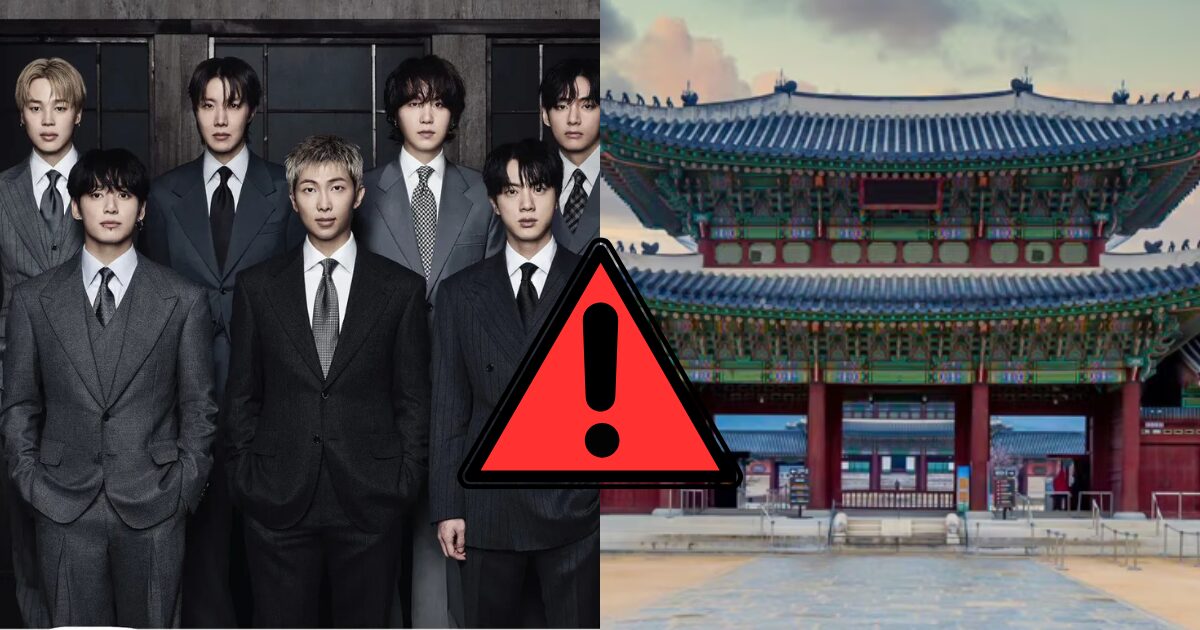

The message that rippled through the security channels of a major Asian capital’s premier stadium was stark and unambiguous. A potential explosive threat, its location unspecified, its credibility unknown, had been called in, targeting a venue currently pulsing with the energy of nearly 60,000 people. This was not a drill. It was the opening night of BTS member SUGA | Agust D's "D-DAY" world tour finale, a concert meant to be a celebratory capstone on a record-shattering solo chapter. In an instant, the narrative shifted from one of artistic triumph to one of mortal peril. What followed was a high-stakes, real-time crisis management operation that laid bare the immense pressures, protocols, and profound human connections that define the modern K-Pop spectacle when it is under siege.
A Crescendo of Success, A Sudden Silence
The atmosphere inside the Olympic Gymnastics Arena had been electric, a tangible force built from years of anticipation. SUGA, having traversed the globe on his acclaimed solo tour, had returned to a home region for a final, emotionally charged series of shows. The setlist was a journey through his Agust D alter-ego—raw, introspective, and fiercely powerful. Fans, known as ARMY, had weathered the group's transition into its enlistment era, supporting each member's individual endeavors with characteristic fervor. This concert was more than a performance; it was a testament to resilience, both the artist's and the fandom's.
As detailed in our previous coverage of The Show Must Go On: Inside RM's Gritty Decision to Perform Through a Ligament Tear, BTS and its members have consistently prioritized their connection with fans, often pushing through physical and emotional strain. That same ethos was in play here. The show was proceeding flawlessly, a symphony of meticulous planning and raw talent. Then, the backstage monitors flashed with a different kind of urgency. The music, for the first time all night, was the least important sound in the building.
The Moment the Music Stopped
According to multiple sources within the venue's security and production teams who spoke to K-Beats on condition of anonymity, the threat was received by a centralized police bureau not directly linked to the stadium's command center. This created a critical, if brief, lag in communication. "Our first priority was confirming the source and the specific information," one security liaison explained. "Was it a vague threat online, a direct phone call, something more substantiated? Every second counts, but acting on unverified information can cause its own catastrophe."
Behind the scenes, a dual-track operation kicked into gear. Plainclothes officers and bomb-sniffing dog units already deployed within the venue began discreetly but systematically re-sweeping previously cleared areas—utility corridors, storage rooms, and equipment zones. Simultaneously, the tour's own extensive security detail, a mix of local and international professionals accustomed to protecting the world's biggest pop stars, convened with local law enforcement. The decision tree was brutal: evacuate immediately, shelter in place, or attempt to conclude the show while the search intensified, hoping the threat was a hoax.
"The calculus is inhuman. You're weighing the statistical probability of a real threat against the guaranteed panic, potential for injury, and psychological trauma of evacuating a packed stadium. There is no perfect decision, only a least-worst one," stated Dr. Mina Choi, a risk management consultant who has worked with major entertainment firms, in an interview with K-Beats.
The Unseen Machinery of Safety in a Mega-Fandom Era
This incident did not occur in a vacuum. It is the latest, and one of the most severe, stress tests on a security infrastructure that has been evolving—some would say straining—under the exponential growth of K-Pop's global popularity. The days of manageable fan meetings and mid-sized halls are gone for artists like BTS, BLACKPINK, and SEVENTEEN. They now operate in the realm of geopolitical-scale events, where a single concert involves international travel logistics, cyber-security for ticket sales, physical crowd control for tens of thousands, and now, counter-terrorism protocols.
The industry has faced security breaches before, but often of a more personal nature: sasaeng fans invading dormitories, stalking incidents, or the chaotic mob scenes at airports. A bomb threat represents a darker, more indiscriminate tier of danger. It exploits the very thing that makes concerts magical—the dense, communal gathering of people—and turns it into a vulnerability. This shift forces agencies and promoters to think less like entertainment companies and more like intelligence units.
Learning From Near-Misses and Global Precedents
While rare in K-Pop, such threats have precedent in global entertainment. Western tours have been halted or venues evacuated due to similar scares. The response protocol often involves a silent, backstage lockdown while authorities assess. What made this situation uniquely complex was its timing—mid-performance—and the specific artist involved. BTS carries a cultural and economic weight unlike any other; an incident involving them would have global repercussions.

This event also casts a new light on past fandom tensions. The intense, sometimes toxic, competition within and between fandoms can create a fraught online environment where threats, though usually rhetorical, can gain traction. While there is absolutely no indication this threat originated from a fan community, the incident forces a sobering reflection on the ecosystem. As explored in our report on The "BTS Private Paradise" Scandal, the extremes of fandom devotion can sometimes create environments of exclusion and resentment, a potent mix in the digital age.
Security experts we consulted noted a significant increase in investments in cyber-intelligence by the "Big 4" agencies (HYBE, SM, YG, JYP) in recent years, specifically to monitor online chatter for credible threats to artists or events. This incident will likely see those budgets expanded further, with a focus on real-time threat assessment and closer integration with national law enforcement agencies worldwide.
The ARMY Nerve Center: From Panic to Purpose
Inside the arena, the initial confusion was palpable. A noticeable increase in security personnel moving with purposeful speed along the aisles did not go unseen. Whispers turned to worried questions. Then, official communication arrived—not through the loudspeakers, but through the most direct channel available: the artist himself.
SUGA, reportedly briefed by his manager at the side of the stage, made a critical choice. He addressed the crowd directly, his usual cool demeanor tempered with a serious calm. He did not disclose details, which could have incited panic, but acknowledged an unspecified "situation" requiring a brief pause. He urged attendees to remain calm and follow instructions from staff. This moment of direct, honest leadership was a masterclass in crisis communication. It transformed potential chaos into a collective deep breath.
On social media, the reaction was a torrent of fear, solidarity, and real-time information sharing. The global ARMY network, often a hub for streaming goals and chart updates, instantly pivoted to a safety-check hub. Hashtags in multiple languages, translating to "Is everyone okay?" and "Stay calm," began trending worldwide. Fans inside posted short updates, assuring those outside that the atmosphere, while tense, was under control. Others shared hotline numbers and safety protocols. It was a stunning display of the fandom's organizational capability being used for a profoundly serious purpose.
"We were scared, of course. But seeing ARMYs around me checking on each other, sharing water, and just talking quietly while we waited... it felt like we were a community, not just a crowd. Yoongi [SUGA] telling us to stay calm was what we needed to hear. We trusted him, and we trusted each other," shared Park Ji-won, a 24-year-old attendee, in a message to K-Beats.
The Lingering Psychological Impact
The psychological fallout from such an event extends far beyond the night. For artists, the sanctity of the stage—their place of connection and release—is violated. The memory of that concert will forever be intertwined with the fear of what might have been. For fans, the excitement of future concerts may now be tinged with a subconscious anxiety, a hesitation at the back of their minds as they enter a packed venue. This is a new cost of admission in the age of mega-fandom that no one asked for.
This incident also intersects with a growing conversation about idol mental health and the burdens of unimaginable pressure. If an artist like SUGA, who has openly rapped about his anxiety and therapy in his music under the Agust D moniker—a narrative we touched on in The Cosmic Collision—must now also shoulder the responsibility of crowd safety during a potential attack, the weight becomes Herculean. Agencies must now consider not just physical security, but psychological support for artists who endure these traumatic potentials.
Industry at a Crossroads: Security as a Paramount Priority
In the immediate aftermath, with the threat deemed not credible and the show concluding after a delay, the industry is left to pick through the lessons. The first is operational: communication chains between local authorities, national agencies, venue security, and tour management must be seamless and pre-established. The "lag" cited by sources, however small, is unacceptable.
Second, fan education will become a component of event planning. Just as airlines run safety videos, major concerts may begin incorporating brief, clear directives on emergency procedures into pre-show announcements or even ticket purchase confirmations. The goal is to make a calm, coordinated response a part of fan culture itself.
Third, the financial equation changes. The massive insurance premiums for these tours will undoubtedly rise. Security budgets, already substantial, will balloon, potentially impacting ticket prices or the feasibility of certain venues. The era of casual, low-overhead touring for top-tier K-Pop acts is conclusively over. They are now moving in the same high-stakes realm as a head of state or a major international sporting event.
This new reality also creates a potential divide. Larger agencies with deep pockets, like HYBE, can invest in this elite-level security. Mid-tier or smaller companies may find the cost of securing large international venues for their rising acts prohibitive, potentially stifling their global growth. Security, ironically, could become a factor in market consolidation. For a comprehensive look at the artists navigating this complex landscape, visit our Artists page.
The Show Did Go On, But Nothing is the Same
SUGA returned to the stage that night. He finished his set. The fans cheered, perhaps louder, with a defiant energy born of shared adversity. But backstage, the mood was somber. The celebratory champagne remained corked. The post-show reviews, which would have analyzed vocal performance and stage design, were instead written about evacuation routes and threat assessment.
In the days following, both the local police and HYBE issued statements confirming the threat was investigated and deemed not credible, thanking authorities and fans for their calm. The search for the perpetrator, likely a malicious hoax, continues. The intent, whether it was to cause fear, disrupt the event, or simply to wield a moment of destructive power over something joyful, succeeded in its first aim. The fear was real.
What's next is a period of recalibration. For BTS and their label, it means an audit of every security protocol for every future event, solo or group. For the wider K-Pop industry, it's a grim wake-up call to fortify its defenses. For ARMY and fandoms everywhere, it's a reminder that the community they've built is not just for celebration, but for resilience.
The final takeaway is a poignant one. K-Pop, at its best, builds bridges of music and culture. It creates safe havens of joy and understanding for millions. This incident is a stark reminder that those havens exist in a world that can be hostile to their very openness. The challenge now is to protect that light without extinguishing its warmth. The concert may have resumed, but the work to safeguard the future of these global gatherings has just begun. For ongoing analysis of how the industry moves forward, follow our coverage on our News page.