
The recent online firestorm surrounding BLACKPINK member Jisoo's older brother, sparked by the misuse of his photograph in an unrelated sexual assault case report, underscores a critical and volatile reality in K-Pop. This incident is less about legal guilt and more a stark case study in digital media ethics, the relentless pressure on idol families, and how speculative news can instantly damage reputations. We analyze the mechanics of the scandal, its implications for media accountability, and the profound stress such events place on artists at the pinnacle of their careers.
- What Actually Happened? The Core Incident
- Why Does This Happen? Media Ethics in the Digital Chase
- How Does This Directly Impact Jisoo and BLACKPINK?
- Has This Happened Before? Historical Precedents in K-Pop
- What Role Does Fan Culture Play?
- Frequently Asked Questions (FAQ)
- Conclusion & The Path Forward
What Actually Happened? The Core Incident
In late April 2026, a report concerning an alleged sexual assault case involving a male YouTuber and a female streamer began circulating on Korean online communities and some digital news outlets. The details of the case itself were murky, but the spark that ignited the K-Pop world was the inclusion of a specific photograph.
The Misidentified Photograph
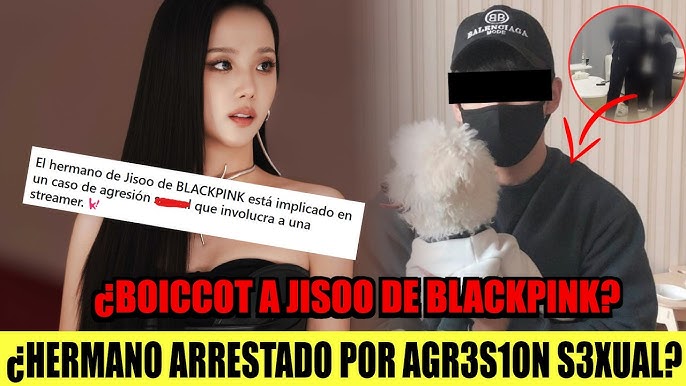
Certain reports, notably picked up and amplified by international aggregator sites, featured a clear image of a man identified as Kim Jun-hong—the older brother of BLACKPINK's Jisoo. The photo was not used as a casual stock image but was presented in direct visual context with the allegations, leading many casual readers to infer his involvement. No official charges or statements from law enforcement connected him to the case.
The Immediate Fallout and Clarifications
Within hours, the story trended globally. BLINKs (BLACKPINK's fandom) and netizens flooded social media with demands for clarity. The original Korean reports faced intense scrutiny. It was soon highlighted by clearer media watchdogs and fan investigators that the photo was likely used erroneously or with malicious intent, capitalizing on the subject's recognizable face for clicks, a practice known as "clickbait by misassociation."
Jisoo's brother, who maintains a private life but is known to fans through occasional family photos, found his name and image dragged into a serious criminal allegation without basis. The agency, YG Entertainment, has remained silent, a typical but often criticized strategy for matters concerning idol families.
Why Does This Happen? Media Ethics in the Digital Chase
This incident is a textbook example of the erosion of verification standards in the rush to break news online. The economics of digital media, where traffic equals revenue, often outweigh traditional journalistic principles.
The "Koreaboo" & Aggregator Model
Outlets that primarily aggregate content from Korean sources for an international audience operate on speed. The translation and repackaging cycle can sometimes strip away crucial context or, in the worst cases, fail to verify the source material's accuracy. A blurred line in a Korean community post can become a definitive-sounding headline for a global audience hungry for K-Pop adjacent drama.
The speed of aggregation often outpaces the speed of fact-checking, creating a vacuum where misinformation thrives.
The Legal and Cultural Gray Zone for Family Members
Idols' family members exist in a unique legal gray zone. They are private citizens but with a level of public recognition. This makes them high-value targets for misleading association. Korean media laws on defamation and image rights are strict, but the decentralized nature of online community sourcing and international republishing complicates legal recourse. The emotional distress caused is immediate, while legal resolution is slow.

How Does This Directly Impact Jisoo and BLACKPINK?
The personal and professional ripple effects for Jisoo are significant, occurring at a crucial juncture in her solo and group career.
Personal and Emotional Toll
Idols often express deep guilt and stress when their families are harassed or drawn into scandals through no fault of their own. Jisoo, known for her close-knit family ties, would inevitably bear this emotional burden privately. The incident serves as a violent intrusion into the personal boundary she has fiercely protected throughout her career.
Brand and Career Implications
Jisoo is a global ambassador for luxury houses like Dior and Cartier. These brands cultivate an image of elegance and irreproachable reputation. While the allegations are not against her, the sustained negative association can cause anxious discussions in brand boardrooms. Furthermore, as BLACKPINK members navigate individual ventures while maintaining group activities, any member-specific controversy creates an imbalance in public narrative. This comes as she is reportedly preparing new solo material, following the success of her debut album "ME".
For the group collectively, it adds unnecessary noise, distracting from their artistic outputs and milestones. It forces the fandom into a defensive posture, splitting energy between celebration of art and firefighting misinformation.
Has This Happened Before? Historical Precedents in K-Pop
Unfortunately, the misuse of images and association-by-celebrity is a recurring nightmare in the industry. The table below highlights a few comparative cases, showing a pattern of behavior from media and netizens.
Idol / Group Family Member / Associate Nature of Incident Outcome & Impact IU Close friend (non-celebrity) Photo misused in unrelated financial scam news. Public outrage led to correction; heightened IU's advocacy for friend's privacy. BTS's V (Kim Taehyung) Family Business False allegations of financial misconduct linked to family. Quick debunking by HYBE; used as example in fan-led media literacy campaigns. Former Girl Group Member A Sibling Deepfake image scandal implicating sibling. Severe mental health toll on idol; led to hiatus and legal threats from agency. BLACKPINK's Jisoo Older Brother Photo misused in sexual assault case report. Ongoing; highlights role of international aggregators.The Pattern of "Guilt by Celebrity Association"
As seen, the pattern is clear: a private individual connected to a star becomes newsworthy solely through that connection. Their image becomes a commodity to illustrate any story that vaguely fits a demographic profile, with truth being a secondary concern. The more massive the idol, the greater the traffic potential for such misuse.
What Role Does Fan Culture Play?
The reaction of BLINKs and the wider netizen community is a double-edged sword in situations like this.
The Power of Collective Fact-Checking
Modern fan networks are incredibly adept at digital forensics. Within hours, fans can:
- Trace the origin of a photo.
- Compare timelines to prove an alibi.
- Flood misleading articles with comments demanding corrections.
- Translate and circulate accurate statements from Korean-speaking fans.
This collective action was pivotal in quickly highlighting the photo misuse in this case, applying public pressure that professional media sometimes fails to exert.
The Danger of Amplification and Harassment
The inverse is also true. The initial, uncritical amplification of the story by some fan accounts (driven by shock) can spread the misinformation faster. Furthermore, well-intentioned outrage can sometimes morph into harassment campaigns against the journalists or outlets involved, which can muddy the waters and divert from the core issue of ethical reporting.
This event coincides with a busy release period on our Charts page, where fan energy is crucial for success, demonstrating how non-musical events can divert critical fan focus.
Frequently Asked Questions (FAQ)
Q1: Has Jisoo's brother been charged with a crime?
A: As of this writing, there is no evidence from official legal or police sources that Kim Jun-hong has been charged, investigated, or is in any way involved in the alleged case. The scandal stems purely from the misapplication of his image in reporting.
Q2: Why hasn't YG Entertainment sued the media outlets?
A: Legal action is complex, especially against international aggregators. Defamation suits in Korea require proof of malicious intent, and the process is long. Agencies often weigh the cost of prolonged litigation against the "streisand effect" of giving more attention to the story. Their standard protocol is often silent condemnation.
Q3: How can fans support Jisoo responsibly during this?
A: The most responsible support involves:
- Not spreading the misleading articles or the photo.
- Reporting false news on social platforms.
- Focusing positive energy on her artistic work. Engage with her official content and past projects.
- Respecting the privacy of her family by not digging for or sharing personal information.
Q4: Does this affect BLACKPINK's group activities or contract renewals?
A: It is highly unlikely a misreported story about a member's family would directly impact contractual business decisions, which are based on commercial metrics. However, it contributes to the overall atmosphere and stress surrounding the members, which is a factor in their individual well-being and, by extension, group dynamics.
Q5: Is this type of reporting becoming more common?
A: Yes. As the global appetite for K-Pop content grows, the ecosystem of outlets competing for clicks expands. This increases the incentive for faster, less-verified reporting, especially on salacious topics tangentially linked to mega-stars. It reflects a broader crisis in digital media ethics.
Conclusion & The Path Forward
The scandal involving Jisoo's brother is a grim reminder that in the hyper-connected K-Pop ecosystem, fame casts a long and often unforgiving shadow on those nearest to the stars. It is a crisis manufactured not by actions, but by negligent digital media practices and the insatiable demand for celebrity-adjacent content.
For the industry, this should be a call to action for stronger PR strategies regarding idol families and more assertive legal postures against blatant misinformation. For media, it is a stark lesson in the real-world harm caused by the failure to verify. For fans, it is a test of discernment—to champion their idols without inadvertently fueling the very machine that causes them pain.
As we continue to cover the brilliant output of the industry, from comebacks like Apink - 15th Season: What Just Landed to innovative releases such as Lil Moshpit - Annyeonghaseyo (Sik-K Remix): What Just Landed, we must also hold a mirror to its darker, parasitic sidelines. The focus must return to the art and the artist, not the manufactured shadows around them. For ongoing, responsible coverage of all K-Pop news, ensure you are following our dedicated News page.