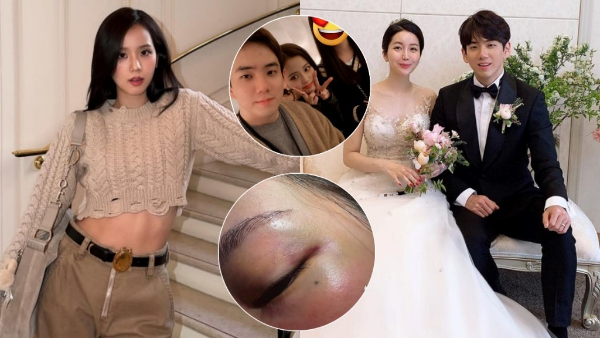

The recent, deeply serious allegations of abuse made by the wife of BLACKPINK Jisoo's brother have sent shockwaves beyond typical celebrity gossip, forcing a difficult conversation about the intense, often invisible pressure extended families of idols endure. This incident transcends a personal scandal, highlighting the complex web of public scrutiny, mental health, and the blurred lines between a star's professional and private life. The industry's response, or lack thereof, will be telling. It peels back the glossy veneer of K-Pop to reveal a seldom-discussed ecosystem where an idol's fame casts a long, and sometimes punishing, shadow over their loved ones, holding them to impossible standards of conduct while offering little protection from the fallout of private crises.
- What Exactly Has Been Alleged?
- Why is the Industry So Quiet?
- The Unseen Burden on Idol Families
- A Fandom Divided: Protecting Jisoo vs. Believing Victims
- Past Precedents: How Agencies Handle Family Scandals
- Your Questions Answered
What Exactly Has Been Alleged?
The core of this story is grave. Through social media posts and subsequent media coverage, the woman married to Jisoo's older brother, Kim Jun-ho, has levied claims of sustained physical and emotional abuse. These are not allegations of minor discord but of serious domestic violence, placing the matter firmly in the realm of public interest and potential criminality, rather than mere tabloid fodder. The decision to publicize these claims on social media, a platform with immediate, global reach, represents a strategic and desperate bid for attention and justice, fundamentally altering the dynamics of a typically private legal matter.
The Nature of the Claims: A Pattern of Control and Fear
The accuser's statements describe a pattern of behavior that allegedly created an environment of fear and control. Specific details, as reported by various outlets, point to incidents of physical altercation and prolonged psychological distress. Psychological abuse in such contexts can be multifaceted, often involving:
- Isolation: Attempts to cut the victim off from friends, family, or support networks.
- Verbal Degradation: Consistent belittling, humiliation, and threats.
- Economic Control: Controlling access to financial resources.
- Coercion and Threats: Threatening further harm, suicide, or public exposure.
By detailing this alleged pattern publicly, the accuser has framed the issue not as a single heated argument, but as a sustained, abusive relationship. This narrative shifts the focus from a "private dispute" to a systemic issue of power and abuse, making the industry's silence even more conspicuous.
The Immediate Fallout and Legal Pathways in the Spotlight
This public accusation has immediate, concrete consequences. It triggers inevitable police investigation and legal procedures. In South Korea, domestic violence cases can lead to:
- Criminal Charges: Assault charges, which are subject to prosecution upon complaint.
- Protective Measures: The victim can apply for a restraining order or an emergency protection order from the court.
- Civil Suits: Seeking damages for physical and emotional injuries.
For the accused, Kim Jun-ho, his public persona as the brother of a global star is irrevocably changed. He is now a named figure in a serious scandal. The family, including Jisoo, is thrust into a crisis management scenario they did not choose. They must navigate not only the legal process but also the parallel trial of public opinion, where details are dissected in real-time across social media and news outlets. The pressure is uniquely intense because any statement or action from the family is filtered through the lens of Jisoo’s monumental celebrity.
The decision to speak out on a public platform reflects a profound desperation and a calculated move to bypass systems the accuser may feel have failed her. It also demonstrates the powerful currency of celebrity association; leveraging the Kim family name was likely seen as the only way to guarantee the allegations would be heard.
Why is the Industry So Quiet?
Deafening silence from official channels is often the first response in K-Pop to scandals involving non-members, especially family. This strategy is deliberate, rooted in a complex risk calculus that prioritizes brand protection above all else. The silence is not an absence of action but a specific, strategic action in itself.
The Agency Playbook: Containment Over Commentary
YG Entertainment, which manages BLACKPINK, faces a unique dilemma. Their artist is not the accused, but is intimately connected. Their standard protocol is to issue no statement on private family matters. This playbook is designed to:

- Create a Legal Firewall: Any official comment from YG could be used in legal proceedings or construed as defamatory. Silence minimizes legal liability.
- Prevent Official Contagion: By not acknowledging the scandal, the agency attempts to prevent it from being formally attached to BLACKPINK’s or Jisoo’s brand portfolio. The unspoken rule is: if the agency doesn’t talk about it, it’s not a company matter.
- Control the Narrative: Speaking publicly opens the door to follow-up questions and unpredictable news cycles. Silence, while frustrating, allows the story to potentially lose steam without new, official fuel.
This approach is consistent across most major agencies. For example, when family members of stars from SM or JYP have been involved in controversies, the initial response is almost uniformly "no comment."
The "It's a Private Matter" Defense: A Contradiction in Terms
This phrase is a double-edged sword. While it rightly argues that family disputes should not be tried in the media, it can also feel like a dismissal when allegations are this severe. The industry's reliance on this defense highlights a persistent conflict: idols are marketed as relatable, family-oriented figures—the loving daughter, the devoted son—yet their actual families are deemed off-limits only when controversy strikes.
This creates a paradox. An idol’s family is publicly celebrated when it serves the narrative (e.g., parents attending concerts, siblings showing support) but is hastily relegated to "private life" the moment trouble arises. This selective boundary management reveals the transactional nature of family in idol marketing: beneficial when positive, invisible when problematic.
The Unseen Burden on Idol Families
This case illuminates the immense, often unacknowledged pressure on the families of superstars. They live in a reflected spotlight, subject to fame's perks and perils without choosing the career, signing a contract, or having access to the same media training and psychological support systems.
From Anonymity to Microscope: The Loss of Personhood
Overnight, family members can lose their anonymity. Their social media, past actions, and personal relationships become fodder for public discussion and judgment. This lack of privacy can strain familial bonds and create unique mental health stressors. They are expected to be:
- Flawless Ambassadors: Their behavior is seen as a reflection of the idol’s upbringing and values.
- Grateful Beneficiaries: They are perceived as living off the idol’s success, which can lead to public resentment.
- Silent Supporters: They must provide unwavering support without ever causing "inconvenience."
This pressure cooker environment can lead to anxiety, depression, and a distorted sense of self, as they are no longer seen for who they are, but only for their relation to a star.
The "Guilt by Association" Risk and Collateral Damage
The most unfair aspect is the potential for fans and the public to conflate the family member's actions with the idol's character. Jisoo, through no action of her own, is now facing a wave of sympathetic headlines and painful questions. This associative pressure is a unique form of collateral damage in the K-Pop ecosystem.
Fans and netizens often engage in a flawed logic: "A good person comes from a good family; therefore, a problem in the family suggests a flaw in the idol." This places the idol in an impossible position—defending a family member may seem to condone alleged wrongdoing, while distancing themselves can be seen as cold or disloyal. They are forced to manage a personal crisis under the watchful eye of millions, with their every non-action analyzed for meaning.
A Fandom Divided: Protecting Jisoo vs. Believing Victims
Blinks (BLACKPINK's fandom) are facing a profound moral and emotional rift. The instinct to protect one's idol, a cornerstone of fan culture, is clashing with the modern, vital imperative to support alleged victims of abuse. This conflict plays out daily on Twitter, Weverse, Instagram, and online forums.
Protective Stans and the "Separate the Art" Argument
A significant faction is aggressively separating Jisoo from her brother's situation. Their rhetoric often includes:
- "Jisoo is her own person."
- "This is a private family matter, stop dragging Jisoo."
- "She must be going through so much pain, we need to support her."
This defense mechanism aims to quarantine the scandal to protect the idol's image, brand endorsements, and mental well-being. It views the idol as the primary victim of the situation, suffering from the unwanted attention and distress caused by a relative's actions. This perspective prioritizes the preservation of the fandom's shared identity and the idol's career above all else.
The Call for Accountability and Victim-Centric Support
Another growing segment of the fanbase and general public is focusing squarely on the allegations themselves. This group advocates for believing the accuser first, applying the principles often championed in broader social movements. They criticize any fan rhetoric that seems to minimize the abuse claims or prioritize the idol's comfort over the alleged victim's trauma.
Their arguments often emphasize:
- The courage it takes to accuse a person connected to such powerful celebrity.
- The importance of taking domestic violence allegations seriously, regardless of the parties involved.
- That true support for Jisoo involves wishing for a just and fair resolution, which requires acknowledging the gravity of the claims.
This divide is not unique to BLINKs; it reflects a larger generational and cultural shift in how fans consume celebrity and engage with social issues. The era of unconditional, all-defending fandom is being challenged by a more ethically conscious audience.
Past Precedents: How Agencies Handle Family Scandals
This is not the first time an idol's relative has been at the center of controversy. Historical responses create a playbook that YG and others likely follow, revealing a pattern of damage limitation that consistently places the burden on the idol and their family.
Idol (Group) Nature of Family Scandal Agency/Family Response Outcome for Idol Chen (EXO) Sudden marriage and pregnancy announcement Personal letter from idol; agency confirmation. Framed as personal happiness. Significant portion of fanbase revolted, burned merchandise. Career continued but with a dedicated segment of "anti-fans." Jungkook (BTS) Father's restaurant allegedly violating COVID-19 rules. Quick apology issued by the father. Big Hit Music (HYBE) acknowledged the report with a brief factual statement. Minor, short-lived controversy. No impact on Jungkook's or BTS's standing. Various Idols (e.g., from T-ara, APRIL) Family debt or parent's business fraud. Idol often issues a personal apology; may work to pay off debts. Agency statement of sympathy for the idol. Reputational hit, sympathy from public. Career often continues if the idol is perceived as hardworking and victimized. Kim Seok-woo (SF9) Older brother accused of school violence. Brother admitted to rumors, Seok-woo posted apology on fan cafe for "causing concern." Initial controversy, but group activities continued without major long-term disruption. Jisoo (BLACKPINK) Brother accused of sustained domestic abuse. Total official silence from YG. Matter handled as private legal case. Unfolding. Immense sympathetic pressure on Jisoo; career impact expected to be minimal but personal toll high.The "Apology from the Idol" Dilemma: Confucian Values vs. Individual Responsibility
In cases of family wrongdoing, there is often intense public pressure for the idol to apologize. This creates a deep ethical and cultural quandary. Rooted in Confucian principles that emphasize family unity and collective face (체면), the expectation is that a younger family member bears some responsibility for the family's social standing. However, in modern legal and ethical terms, should an individual apologize for the actions of another competent adult?
The industry has seen both approaches. Some idols offer heartfelt apologies to fans for the "distress" and "disappointment," effectively apologizing for the *consequences* of the scandal, not the actions themselves. Others, often in more severe criminal allegations, remain utterly silent. The public's demand for this apology speaks to the unrealistic, anachronistic expectation that idols are the moral guardians and spokespeople for their entire extended families.
Long-term Career Impact: Often Minimal for the Career, But Devastating Personally
Historically, unless the idol is directly implicated, major family scandals rarely cause permanent career damage in Korea. The public and industry possess a surprising ability to compartmentalize. The idol's career is assessed on their own talent, work ethic, and public persona. However, this clinical assessment ignores the personal, emotional toll. The idol experiences:
- Grief and stress over the fractured family relationship.
- Anger and helplessness at being publicly tied to a scandal they didn't create.
- Fear that their life's work could be undermined by a relative's actions.
This internal suffering is the true, unspoken cost, contributing to the immense mental strain documented across the industry. The idol is left to professionally perform and personally heal, all while under an unforgiving microscope.
Your Questions Answered
Q: Could this scandal affect BLACKPINK's group activities or Jisoo's solo career?
A: Direct professional repercussions for Jisoo—such as losing endorsements, being dropped from schedules, or facing broadcast bans—are extremely unlikely, as she is not involved in the allegations. Her standing with the public remains strong, rooted in her own decade of impeccable conduct. However, the emotional weight and media frenzy could indirectly impact her mental state during preparation for comebacks or public appearances. Agencies are adept at insulating active idols from familial legal issues through strict "no comment" policies and focused PR on the idol's professional work.
Q: Why isn't YG Entertainment saying anything? Isn't silence complicit?
A> This is standard, albeit frustrating, crisis management protocol. From YG's corporate perspective, commenting on a private, ongoing legal matter is high-risk with zero reward. It opens the agency to potential legal liability (defamation, interference), could be seen as taking a side in a court case, and would officially tie the multi-billion dollar BLACKPINK and YG brands to the scandal. Their strategy is to let the legal process run its course while keeping their assets (the artists) professionally detached. Whether this is ethically complicit is a matter of debate, but it is corporately rational in their framework.
Q: Is it fair for fans or the media to link Jisoo to her brother's actions?
A> Ethically and logically, no. Jisoo is a separate, individual adult. However, the inescapable reality of celebrity and "news value" means the association is inevitable in headlines, social media discourse, and public conversation. The mature, nuanced approach is to: 1) condemn the alleged actions without attributing blame or responsibility to Jisoo, 2) offer support for the well-being of all innocent parties caught in the trauma, including Jisoo as a likely secondary victim, and 3) focus advocacy on the systemic issue of domestic violence and justice for the accuser.
Q: How does this compare to when an idol themselves is in a scandal?
A> It's fundamentally different procedurally. When an idol is the accused, agencies have clear, standardized playbooks: suspension of activities, internal investigation, a meticulously crafted public apology, potential termination of contract, and a mandated period of reflection. For family scandals, the idol is treated as a secondary victim or bystander. This leads to the "private matter" stance, no official suspension, and a far less structured public response. The burden of navigating the personal fallout falls almost entirely on the idol and their private family unit.
Q: Could this influence Jisoo's decision to re-sign with YG Entertainment?
A> While her contract renewal decision will be based on a complex set of professional factors (solo projects, group activities, creative control, revenue share), this incident could subtly influence her perception of the agency's support system. It highlights how agencies manage—or fail to manage—crises that affect an artist's personal life. An idol might seek a company that offers more robust, holistic support beyond just music promotion, including crisis PR that considers human emotion over pure brand optics.
Ultimately, the allegations against Kim Jun-ho force a moment of uncomfortable reckoning. They expose the vast, shadowy perimeter around a K-Pop star's life where family members exist, enjoying tangential benefits but facing extreme, disproportionate risks. While the industry protocol is to wall off the star and stay silent, the human cost of that strategy is immense—for the accuser seeking justice, for the family in turmoil, and for the idol caught in the middle, expected to perform normality while their private world fractures. This story is a stark reminder that the glittering world of K-Pop is built upon real, messy human relationships, which are as fragile and complex as any other. Moving forward, the focus must remain on the seriousness of the abuse allegations and their just legal resolution. Simultaneously, it should spark advocacy for a more empathetic industry culture—one that considers the mental health of all those tangled in the spotlight's wide, unforgiving net and re-evaluates the untenable pressure placed on individuals simply for whom they are related to.
For more nuanced analysis on how the industry navigates personal and professional crises, explore our in-depth News page. To understand how artists evolve amidst public pressure, read our analysis on ATEEZ's Sonic Revolution.