
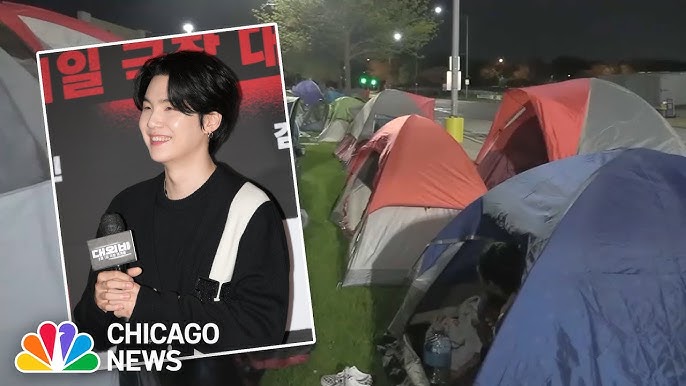

Beloved soloist and former girl group member Lee Seo-yeon is at the center of a massive online firestorm after fans uncovered photos of her using single-use disposable plates and cutlery during a private camping trip. The incident, which spiraled from a niche forum critique to mainstream news within hours, forced a swift public apology and has ignited a fierce debate about environmental responsibility, fan entitlement, and the impossible purity tests facing K-Pop stars. This controversy is more than a simple mistake; it's a symptom of the complex, high-stakes relationship between idols and the public in the digital age.
In This Analysis:
- The Incident: What Exactly Did Lee Seo-yeon Do?
- Why a Camping Plate Caused a National Backlash
- A Forensic Breakdown of The Apology Statement
- The Engine of Outrage: Understanding Modern K-Pop Fan Culture
- Broader Impact: Will This Change Industry Behavior?
- Key Takeaways for Idols and Agencies Moving Forward
- Your Questions Answered: The Lee Seo-yeon Controversy FAQ
What Happened? The Simple Camping Trip That Went Viral
The sequence of events was rapid and demonstrates the accelerated news cycle of the K-Pop ecosystem. It began not with a press release, but within the digital corridors of fan communities.
The Original Posts and Immediate Fan Reaction
Lee Seo-yeon, known for her cheerful personality and active social media presence, posted a series of serene, aesthetically pleasing photos and short clips from a camping trip with non-celebrity friends. The initial response was positive. However, eagle-eyed followers in a popular online forum zoomed in on a single, seemingly innocuous detail: amidst the reusable camping gear, a stack of bright white polystyrene plates and plastic forks were visible on a picnic table.
A screenshot of the image, with the items circled, was uploaded to the forum with a title questioning her commitment to environmental values she had previously endorsed in a 2022 magazine interview. Within two hours, the post garnered thousands of upvotes and comments, splitting into vehement criticism from some and defensive support from others.
From Niche Forum to Mainstream Headlines
The forum thread became the primary source for Korean entertainment news outlets. Stories ran with headlines focusing on "hypocrisy" and "contradiction." By the next morning, the story had crossed from entertainment sections to mainstream and even lifestyle news, often framed as part of a larger national conversation about sustainable living. The speed of this escalation gave Lee Seo-yeon's agency little time to craft a nuanced private response, inevitably leading to a public one.
Why Did a Simple Item Trigger Such an Explosive Reaction?
On the surface, the use of disposable plates is a minor, everyday transgression. In the context of Lee Seo-yeon's public persona and South Korea's current social climate, it became a potent symbol.
The Power of the "Eco-Friendly Idol" Persona
Lee Seo-yeon had, over several years, carefully cultivated an image aligned with mindfulness and sustainability. She participated in beach clean-ups, was photographed with reusable tumblers, and discussed simple living in interviews. This built an implicit "contract" with a segment of her fanbase who admired these values. The camping photos were seen not as a mistake, but as a breach of that curated identity, making the backlash deeply personal for some fans.
A Nation's Growing Environmental Consciousness
South Korea has implemented stringent waste disposal laws and a broad cultural push towards sustainability. Single-use plastics, in particular, are a visible target. The idol's actions were framed against this national backdrop, transforming her personal choice into a public failing. It tapped into a broader societal anxiety, making the criticism feel weightier than typical fan outrage.

"The issue isn't the plastic. It's the perceived gap between the public image and the private action. In today's hyper-scrutinized world, that gap is treated as a betrayal of trust." – Industry PR Consultant, anonymously to K-Beats.
The Amplification Effect of Social Media
Social media does not deal in moderation. The incident was stripped of all context—the availability of washing facilities, the group's size, the origin of the plates. The single image became the entire narrative. This aligns with a pattern we've seen before, where a single moment is magnified into a defining crisis, much like the intense scrutiny on idol health discussed in our analysis When The Mirror Cracks.
A Line-by-Line Breakdown: The Anatomy of a Modern K-Pop Apology
Lee Seo-yeon's apology, released on her fan platform and Instagram, is a textbook case of modern damage control. Let's dissect its strategic components.
Immediate Ownership and Tone Setting
The statement opened with a direct address and an immediate expression of regret: "To my fans who have always supported me, and to everyone who was disappointed by my careless actions, I sincerely apologize." This pre-empts accusations of evasion and frames the issue as one of personal responsibility, not external misunderstanding.
Specificity Without Excuse
Crucially, she named the fault: "My use of disposable products during my recent personal time was thoughtless and contradicts the values I have tried to uphold." This specificity is vital; vague apologies often fuel more anger. She avoided justifications ("we had no water") which can sound like excuses, instead focusing on the core issue of contradiction.
The Promise of Corrective Action
Modern apologies must look forward. She stated she would donate to an environmental organization and participate in a conservation initiative, providing a tangible, future-oriented remedy. This shifts the conversation from "what she did wrong" to "how she will make it right," offering critics a path to closure.
The Fuel on the Fire: How Modern Fan Culture Drives Controversy
This incident cannot be understood without examining the engine that propelled it: the multifaceted, powerful, and often polarized world of K-Pop fandom.
The "Accountability" vs. "Protection" Fandom Split
The backlash highlighted a fundamental schism in contemporary fan culture. One segment views itself as holding idols accountable to their stated values and the broader good. Another segment operates in "protection mode," defending the idol's right to private life and dismissing criticism as malicious hate. This clash created the online war that trended the topic.
Table: Contrasting Fan Reactions in the Lee Seo-yeon Controversy
Faction Core Argument Typical Action Underlying Motive The Accountability Brigade Idols have a social responsibility; hypocrisy undermines their influence. Organize critical forum posts, tag news outlets, demand public apology. Desire for authentic, consistent role models; applying societal standards to celebrities. The Protective Defenders This is a private matter blown out of proportion; she is being harassed. Mass-report critical comments, flood support tags, share positive past deeds. Defense of the idol's personal sphere; viewing attack on idol as attack on fandom itself. The Industry Observers The reaction is disproportionate, but reveals unsustainable public expectations. Analytical threads, comparisons to past scandals, discussion of agency strategy. Interest in the mechanics of fame and PR; concern for idol mental health.The Role of Non-Fans and the "Social Justice" Lens
Beyond the core fandom, the issue attracted commentary from non-K-Pop fans who engaged purely on the environmental ethics angle. This expanded the controversy beyond the traditional K-Pop sphere, applying a harsher, less forgiving "social justice" framework common to global online discourse, where figures are held to strict, often uncompromising standards.
Will This Change Anything? Potential Industry-Wide Ripples
While a single scandal may fade, it often leaves a lasting imprint on agency protocols and public strategy.
Intensified "Pre-Check" Protocols for Personal SNS
We anticipate agencies will further tighten guidelines—or implement stricter pre-approval checks—for idols' personal social media posts. The focus will shift from just avoiding "scandalous" content to meticulously scanning for any visual or contextual detail that could be misconstrued or weaponized, from brand logos to background items, effectively extending the professional persona deeper into private life.
The Rise of the "Flawless Private Life" Coaching
Idol training may expand to include modules on "lifestyle consistency." Trainees and active idols might receive coaching not just on how to act on camera, but on how to align their off-camera habits with their public image, a burdensome expectation that echoes the immense pressures explored in our health crisis analysis.
A Reassessment of "Value-Based" Branding
Agencies may become more cautious about tying idols too tightly to specific social or political causes, seeing it as a high-risk strategy. Conversely, some may double down, ensuring every public and private action is meticulously aligned, creating an even more curated—and potentially fragile—façade.
Key Takeaways: Navigating the New Rules of Idol Life
For idols, agencies, and fans, this event serves as a stark case study with clear lessons.
For Idols: The Camera Is Never Off
The central lesson is the erasure of the traditional public/private divide. In the age of high-resolution phone cameras and viral social media, any moment can become a public moment. Idols must operate with the awareness that their choices, even in leisure, will be scrutinized against their entire curated history.
For Agencies: Proactive Narrative Management
Reactive apologies are no longer enough. Agencies must engage in proactive "vulnerability management." This could mean pre-emptively addressing an idol's ordinary imperfections in controlled settings or fostering a fan culture that allows for human error, much like the mature, legacy-focused relationship discussed in our article on fandom names.
For Fans: The Cost of Perfection
The demand for flawless consistency has a human cost. This incident should prompt reflection on whether the pursuit of holding idols to superhuman standards ultimately damages the very people fans claim to support. Is the goal authentic growth or performative perfection?
Your Questions Answered: The Lee Seo-yeon Controversy FAQ
Q1: Was the backlash really about the plates, or something else?
The plates were a catalyst. The backlash was fundamentally about perceived hypocrisy and the violation of a trusted public persona. It was a collision of a personal action with a carefully built, value-driven image, magnified by societal concerns about the environment.
Q2: Has her career been permanently damaged?
Immediate brand deals or scheduled appearances may face short-term scrutiny. However, history shows that a sincere, well-managed apology and a period of quiet reflection often allow idols to recover, provided no further missteps occur. Long-term damage is usually reserved for more severe ethical or legal violations.
Q3: Why didn't her friends stop her or use reusable items?
This assumes the friends were in a position to dictate terms or were even aware of the symbolic weight of the items. It's crucial to remember this was a private gathering, not a staged photoshoot. Expecting friends to act as image managers highlights the unrealistic expectations placed on an idol's entire ecosystem.
Q4: Are other idols now panicking about their past photos?
It's likely that public relations teams across the industry are conducting informal audits of their artists' social media histories. A common strategy after such an event is for idols to quietly archive or limit old posts that could be taken out of context, a digital form of reputation management.
Q5: How does this compare to other "minor" K-Pop scandals?
It fits a pattern of "lifestyle contradiction" scandals, similar to idols caught smoking after promoting health, or driving luxury cars after speaking about humility. The intensity is proportional to how core the contradicted value is to the idol's brand. Environmentalism, as a globally resonant and morally charged issue, sits very high on that scale.
Conclusion: The Unbearable Weight of the Everyday
The Lee Seo-yeon camping controversy is a microcosm of 21st-century celebrity. It demonstrates how a mundane choice becomes a moral referendum, amplified by digital platforms and fiercely policed by a fragmented public. It underscores that an idol's image is a totalizing project, where every plate, every cup, every offhand moment is a potential piece of evidence in the court of public opinion.
For the industry, the path forward is fraught. Does it construct even more impregnable, and thus more isolating, façades of perfection? Or does it courageously work to recalibrate fan expectations, advocating for the right to a nuanced, imperfect private self? The answer will define not just the future of idol careers, but the very health of the fan-idol relationship. As we track these evolving dynamics, stay tuned to our News page for real-time reporting and visit our Artists page for deeper dives into your favorite stars' careers beyond the headlines.