
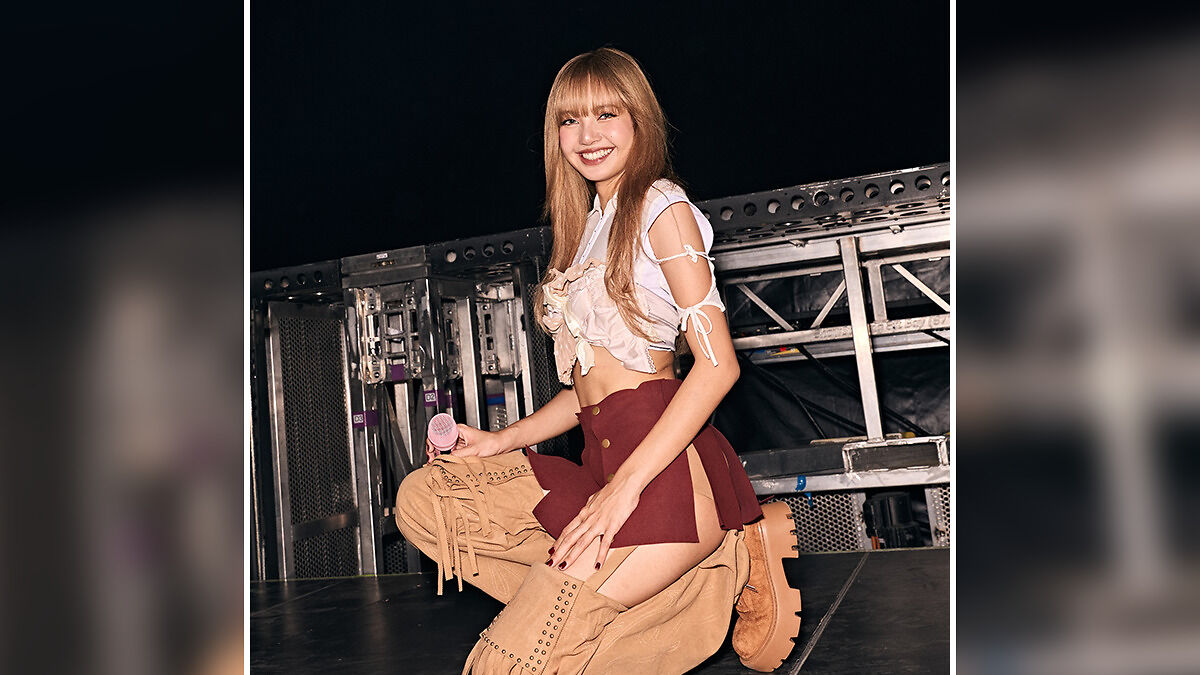

When a fourth-generation female idol stepped on stage in a lingerie-inspired outfit this week, the predictable internet firestorm ensued. Yet, beneath the surface-level "controversy," this moment reveals a profound power shift. This analysis argues that the debate is not about a single outfit, but a generational clash over agency, the evolving role of idols as artists, and a fandom no longer willing to accept passive consumption. The backlash, and the fierce fan defense, signal a new era where idols and their supporters are collectively rewriting the rulebook.
- What Actually Happened?
- Why Is This Blowing Up *Now*?
- The New Fandom Power Play
- Agency vs. The Manufactured Image The Unspoken Industry Double Standard
- What Does This Mean For K-Pop's Future?
- Your Questions, Answered
What Actually Happened? A Timeline of Tension
The incident, circulating widely on platforms like Koreaboo, involved a specific performance from a recent fan-concert event. The idol in question, known for a bold and often concept-pushing style, performed a solo stage in an outfit critics labeled as overly "revealing" lingerie. Social media split into immediate, entrenched camps.
The Outfit in Context: Not an Isolated Incident
As noted in initial reports, this was not the first time this artist has worn stylistically similar attire. Her entire solo portfolio and group's recent concepts have leaned into mature, avant-garde, and sometimes provocatively chic aesthetics. This consistency is crucial—it frames the outfit not as a shocking aberration, but as a deliberate piece of a larger artistic narrative she and her creative team have been building.
The Two Sides of the Viral Divide
On one side, critics levied accusations of inappropriate content, worrying about "setting a bad example" for younger fans and straying from traditional idol decorum. On the other, fans mounted a formidable defense, flooding timelines with past examples of similar fashion in high-end editorials and red carpets, arguing it was high-fashion, not scandal.
"This is about art direction, not titillation. If you see a corset and immediately think 'scandal,' that says more about your perspective than the artist's intent," wrote one viral fan-turned-critic on X (formerly Twitter).
Why Is This Blowing Up *Now*? The Perfect Storm
Outfit "controversies" are not new in K-Pop. However, the scale and nature of this debate point to a convergence of several key industry shifts.
The 4th Gen Identity Crisis: Artists vs. Idols
Fourth-generation groups are navigating a fragile line. They are expected to uphold the "idol" tradition of accessibility and fan-service, while also demanding recognition as serious artists with creative control. A lingerie-inspired stage outfit isn't just clothing; it's a statement of artistic maturity and autonomy, directly challenging the "pure" or "innocent" concepts often forced upon younger female idols. This tension echoes themes we explored in "The Taemin Tapes," where senior artists confront the limits of their own agency.
The Hyper-Scannable, Decontextualized Social Media Landscape
A 10-second clip or a single screenshot can now define a narrative. The performance's full context—the song's lyrics about liberation, the choreography's artistic expression, the concert's overall theme—is often stripped away. The image becomes a floating signifier, easily weaponized by both critics and defenders, creating instant, high-engagement conflict that algorithms favor.
The New Fandom Power Play: Defense as a Strategic Weapon
The fan response was not mere support; it was a coordinated, evidence-based rebuttal. This marks a significant evolution in fan-idol dynamics.

From Protection to Prosecution: Fans as Legal & PR Teams
Modern fandoms operate with media literacy and strategic acumen. They don't just say "don't hate." They compile receipts: side-by-side comparisons to male idols in similar states of undress (highlighting double standards), links to high-fashion runways where the look originated, and analytics showcasing positive public reaction metrics. They are acting as de facto public relations crisis managers, a role they've honed in an era of constant online scrutiny.
The "My Idol, My Choice" Economy
Fans, especially for 4th gen groups, are deeply invested in their idol's artistic journey. They see supporting controversial creative choices as an investment in the idol's long-term growth and happiness, which in turn strengthens their own emotional and financial commitment. Defending the outfit becomes a way to defend their choice to stan an "artist," not just a performer. Check our Artists page for deeper dives into specific idol career trajectories.
Agency vs. The Manufactured Image: Who Really Decides?
At the heart of this is the question of consent and collaboration. Is the idol a willing participant in her image, or a mannequin for a company's vision?
The Stylist-Idol-Creative Director Triad
Insiders know that a stage outfit, especially for a major solo performance, is rarely one person's decision. It involves the idol, the head stylist, the creative director, and sometimes the choreographer. The idol's comfort and input are increasingly non-negotiable parts of this process, particularly for established artists. This outfit, therefore, likely passed through multiple layers of approval, including the artist's own.
The Precedent of Controlled Provocation
Companies are masterful at calculated risk. A "controversial" outfit generates immense, valuable buzz. It can redefine an idol's public image, attract high-fashion brand deals, and signal a concept pivot to the industry. The backlash may be anticipated, even quietly welcomed, as a price for achieving a strategic brand shift. This careful dance between scandal and strategy is a hallmark of modern K-Pop marketing.
Perspective Core Argument Underlying Fear/Goal Public/Critic View The outfit is unnecessarily sexualized, diverging from a "family-friendly" idol standard and influencing young fans poorly. Fear of cultural erosion; desire to maintain a controlled, "safe" idol industry. Fan/Defender View The outfit is artistic expression, part of a coherent mature concept, and the idol's right to explore as an artist. Goal of idol autonomy; rejection of outdated, restrictive norms for female artists. Industry/Company View (Inferred) The outfit is a strategic tool for brand differentiation, media attention, and showcasing artistic growth. Goal of market disruption, buzz generation, and securing a unique niche for the artist.The Unspoken Industry Double Standard: A Gendered Lens
This controversy cannot be discussed without acknowledging the glaring disparity in how male and female idols' bodies and fashion are policed.
Male Idol "Exposure" as the Norm
Male idols performing shirtless, in sheer tops, or in low-cut outfits is a commonplace, often celebrated trope. It's framed as showcasing hard work, athleticism, or "concept authenticity." The critique is minimal, if it exists at all. This double standard frames female sexuality as inherently problematic, while male sexuality is positioned as aspirational or neutral.
The "Fan Service" Dichotomy
When a male idol adjusts his stage outfit to reveal more, it's cheered as "fan service." When a female idol's outfit is designed with revealing elements, it's often scrutinized as pandering or inappropriate. This places female idols in a lose-lose situation: criticized for being too conservative or too bold, with little room for a self-defined middle ground. This echoes the intense scrutiny idols face in all aspects of life, as seen in our analysis of the clandestine dating show audition.
What Does This Mean For K-Pop's Future? The Path Ahead
This incident is not an endpoint but a symptom of ongoing, seismic change. The industry's response (or lack thereof) will set a precedent.
The Normalization of Mature Concepts
Expect more 4th and incoming 5th-gen female idols to debut with or pivot to explicitly mature, complex concepts from the start. The market is proving there is a massive, dedicated audience for it. The "controversy" itself is becoming part of the concept rollout playbook, a painful but effective birthing process for a new artistic identity.
Fandom as Cultural Shield
The efficacy of organized fan defense will embolden both idols and companies. Knowing a dedicated fanbase can and will counter negative public sentiment provides a safety net for more adventurous creative choices. This symbiotic relationship will deepen, further blurring the line between consumer and collaborator.
A Redefinition of "Scandal"
The industry's definition of a true career-harming scandal is narrowing. Dating, once a cardinal sin, is now more manageable. Outfit discourse may be on a similar path—transitioning from a major controversy to a temporary, expected buzz generator, much like the strategic noise around record-breaking sales we track on our Charts page. True scandals will increasingly be reserved for legal or ethical breaches, not aesthetic choices.
Your Questions, Answered: The K-Beats FAQ
Did the idol's company issue a statement?
As of this writing, the artist's label has maintained a strategic silence. This is a telling choice. In past eras, a quick apology or clarification might have been issued to quell noise. Silence today can signal confidence, a belief that the fan defense is sufficient, or that the conversation itself has marketing value. It treats the issue as a matter of artistic interpretation, not a corporate mistake.
Has this affected the idol's popularity or charts?
Data suggests the opposite. Streams for the performed song and the idol's solo work have seen noticeable upticks. Fanbase engagement metrics (social media mentions, hashtag volume) have skyrocketed. This reinforces the industry's cold calculus: "negative" buzz from a certain demographic often translates to positive engagement and commercial support from the core fandom, as seen in the record-breaking strategies decoded in our analysis of KickFlip's success.
Is this part of a larger trend in 4th gen fashion?
Absolutely. The trend is toward individualized, concept-specific, and often high-fashion-integrated styling. Outfits are less about uniform cuteness or coolness and more about telling a story for a specific track or performance. Corsets, harnesses, deconstructed tailoring, and gender-fluid pieces are becoming staples, moving from "shocking" to standard toolkit items for many groups.
How do international vs. Korean fans typically view these issues?
While generalization is risky, a pattern persists. International fans often frame the issue through lenses of Western feminism and artistic freedom, advocating fiercely for the idol's choice. Korean netizens on domestic forums may express more concern about social decorum and cultural standards. However, this gap is narrowing as global K-Pop culture influences domestic fan behavior, and as Korean fandoms themselves become more protective of artistic agency.
Could this lead to stricter broadcasting regulations?
Unlikely for isolated incidents. Broadcast standards are more concerned with overtly sexualized choreography or lyrics than specific clothing items, which can be argued as fashion. Persistent, coordinated pressure might lead to ad-hoc edits (blurring, different camera angles) for specific performances, but a wholesale regulatory change targeting style is improbable. The industry's economic clout and the variability of "appropriateness" make blanket rules difficult to enforce.
Conclusion: The Corset is a Catalyst, Not the Story
The lingerie-inspired outfit is merely the spark. The true fire is the combustion of long-simmering tensions: between tradition and evolution, between corporate control and artist expression, between passive consumption and active fan partnership. This moment proves that the 4th generation's battle is not just for chart positions, but for the very soul of the idol profession.
What we are witnessing is the painful, public negotiation of new boundaries. The idol in question, backed by her fandom, is not just wearing a bold outfit; she is stress-testing the system. And the system, for all its backlash, is bending. The silence of the label, the ferocity of the defense, and the commercial indifference to the criticism are all data points in a larger story of change.
Your Next Step: Move beyond the headline. Watch the full performance. Listen to the song's lyrics. Observe the choreography's intent. Then, analyze the conversation around it not as a moral panic, but as a cultural case study. For more deep dives into the forces reshaping K-Pop, from dating show gambles to historic Billboard runs, continue exploring our flagship analyses on our News page. The industry is transforming in real-time, and understanding these clashes is key to understanding its future.