
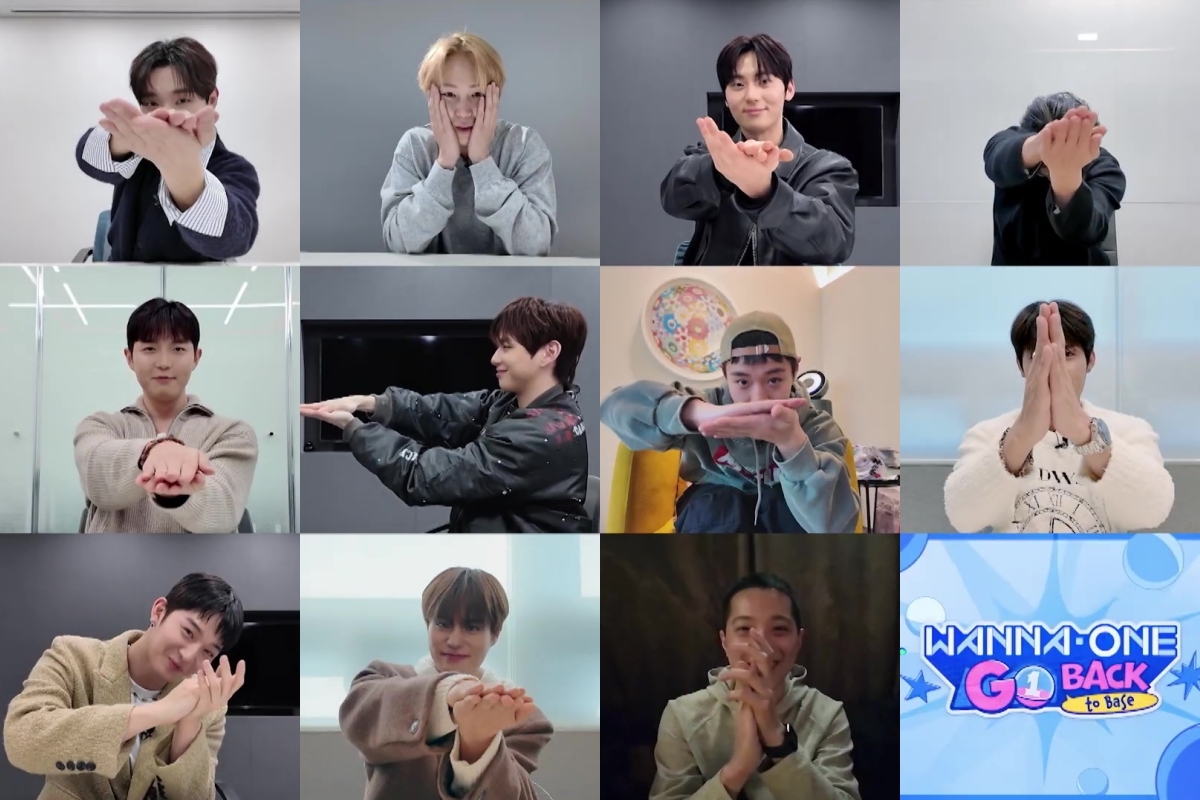

The highly anticipated reunion variety show "WANNA ONE GO: Back to Base" has revealed a conceptual masterstroke. The unveiled poster, featuring the 11 members within a massive house, hints at a deeply personal format: unique rooms designed by each member. This article provides an exclusive, in-depth analysis of what this concept means for the group's legacy, the individual members' journeys since disbandment, and how it strategically redefines idol reunion content beyond mere nostalgia.
- What is the "Back to Base" Concept Really About?
- The Psychology Behind the Personal Room Concepts
- How the Rooms Showcase Each Member's Evolution
- How This Redefines Idol Reunion Content
- Industry Impact & Wanna One's Enduring Legacy
- FAQ: Your Questions Answered
What is the "Back to Base" Concept Really About?
At first glance, "Back to Base" is a reunion show. But the "base" metaphor and the personalized room concept elevate it to a profound statement. This isn't just a return to a shared past; it's a gathering at a foundational home built from their collective and individual experiences.
More Than a Variety Show: A Narrative Sanctuary
The "base" serves as a narrative sanctuary. Unlike chaotic game-centric variety, this house structure suggests intimate conversation, reflection, and the sharing of personal narratives. Each room becomes a chapter, inviting both fellow members and the audience into a private world. This format prioritizes authenticity over activity, a mature shift befitting artists who are now established veterans in their own right.
The "House" as a Metaphor for Wanna One's Legacy
The house itself is a powerful symbol. It represents the structure Wanna One built together during their active years—a foundation that remains solid. The individual rooms symbolize how each member has built their own extensions, renovations, and unique decor upon that shared foundation. The show visually argues that their legacy is both a communal monument and a series of personal homes.
Strategic Distance from Pure Nostalgia
This concept cleverly avoids the pitfall of pure, backward-looking nostalgia. By focusing on "who they are now" through their room designs, the show is inherently forward-looking. It acknowledges the past as the foundation ("base") but centers the present, allowing fans to reconnect with the artists they have become, not just the idols they were. For more on how idols navigate post-group careers, see our analysis on The 4th Gen Exodus.
The Psychology Behind the Personal Room Concepts
The assignment to create a room that reflects one's personality is a direct window into each member's self-concept, values, and current passions. This is more than interior design; it's a curated act of identity presentation.
Curated Authenticity: What They Choose to Reveal
In the hyper-managed K-Pop world, a "personal room" is a rare canvas for controlled self-disclosure. Each member must decide what facets of their identity to highlight:
- Professional Identity: A studio with awards, a practice room with instruments.
- Personal Hobbies: A gaming rig, a library, an art studio.
- Emotional Core: A cozy, minimalist space suggesting a need for peace, or a vibrant, chaotic room full of memorabilia.

The Language of Objects and Space
Every object in these rooms will be semiotic. A guitar isn't just a guitar; it's a statement about musical ambition post-Wanna One. A shelf of film books hints at an actor's mindset. A comfortable chair with a reading lamp speaks to a desire for solitude and reflection. Analyzing these spaces requires decoding this language of objects, offering clues unavailable in standard interviews.
Comparison to Other "Personal Space" Concepts in K-Pop
While unique for a reunion show, the concept touches on a broader K-Pop trend of revealing personal spaces, from 1N2D's dorm reveals to YouTube vlogs. However, "Back to Base" differs in its deliberate, artistic curation. It's not a caught-off-guard look at a messy dorm; it's a constructed exhibit of self, making it a more potent and revealing tool for storytelling.
How the Rooms Showcase Each Member's Evolution
This is the core analytical treasure of the show. By comparing the projected "room persona" to the member's known Wanna One-era persona, we can map their growth. Here is a speculative analysis based on their public trajectories.
Member Predicted Room Theme Wanna One Persona (Then) Post-Disbandment Focus (Now) What the Room Reveals Kang Daniel Modern CEO Studio Center, All-Rounder CEO, Solo Artist, Label Head Transition from frontline idol to multifaceted industry leader. Sleek, professional, tech-integrated. Park Jihoon Actor's Preparation Room "Wink Boy," Visual Leading Actor, Musician Evolution from iconic visual to serious thespian. Scripts, mood boards, perhaps a subtle music corner. Lee Daehwi Creative Producer's Lab Youthful Producer, Mood-maker Hitmaker for AB6IX & Others Confirmation of his central creative drive. Chaotic with keyboards, monitors, and inspirational clutter. Kim Jaehwan Vocalist's Sound Sanctuary Main Vocal, "God's Voice" Solo Balladeer, Musical Actor Pure focus on vocal artistry. Acoustically treated, simple, centered on a high-quality microphone. Ong Seongwu Minimalist Actor's Retreat "Boyfriend" Material, Actor-Dol Film & Drama Leading Man Mature, refined aesthetic. Separation of "idol Ong" from "actor Ong." Clean lines, art books, film projector. Park Woojin Performance Drill Room Main Dancer, Sharp Performer Solo & AB6IX Performer Unwavering dedication to performance craft. Mirrored walls, practice wear, intense and focused energy. Lai Kuanlin Transnational Creative Hub Maknae, Rapper, Visual Global Artist, Actor in China Bridging of Korean and Chinese influences. Bilingual books, global art, hints of his dual career bases.The Narrative of Maturity and Diversification
The table underscores a universal theme: maturation and specialization. The rooms move away from the generalized "idol" label toward specific, expert identities—CEO, actor, producer, vocal artisan. This showcases a post-survival show, post-idol-group growth that fans are deeply invested in witnessing.
Handling Absence and Change
The show must also narratively handle the members' different career heights and public perceptions. A room reflects current status without direct comparison. It’s a personal statement, not a competition, allowing all narratives to coexist respectfully under one roof, much like the diverse solo ventures of idols like Yeri with "Azure Spring".
How This Redefines Idol Reunion Content
"Back to Base" has the potential to set a new benchmark for reunion content, moving from fan-service events to substantive documentary-style storytelling.
From Fan-service to Legacy Documentation
Typical reunions rely on replaying old hits and inside jokes. This format documents a legacy in real-time. It captures where these 11 pivotal figures in K-Pop history are at this exact moment, creating a valuable cultural document. It's less "remember when" and more "look at us now, because of then."
Building a Template for Future Generations
For future temporary groups from shows like I-LAND or Planet series, "Back to Base" offers a sophisticated template. It shows that a reunion can be a meaningful artistic project that enhances individual brands while honoring the group, rather than a step backward. It provides a way to service the fandom with depth, strengthening bonds for the long term.
Synergy with Solo Promotions
Each member's room inherently promotes their current work. A drama script, a solo album plaque, a producer credit—these are all natural product placements for their individual careers. The show becomes a synergistic platform, amplifying all 11 trajectories at once, a strategy as savvy as the global power play seen in Tony Leung's choice to appear in a NewJeans MV.
Industry Impact & Wanna One's Enduring Legacy
The execution of "Back to Base" will resonate beyond Wannables. It's a case study in brand management, fan culture, and the evolving K-Pop lifecycle.
Proving the Power of the "Forever Fandom"
This show is possible only because of the undiminished power of the Wannable fandom. It demonstrates that a well-managed legacy fanbase is a sustainable economic and cultural force. It encourages the industry to view disbanded groups not as closed chapters but as dormant assets with immense activation potential. Track how fandoms power careers on our Charts page.
Wanna One as a Permanent Cultural Node
With this show, Wanna One cements its status not as a disbanded group, but as a permanent node in the K-Pop network. Like a graduating class that holds periodic, meaningful reunions, they remain a reference point. Their interactions will continue to generate news, influence trends, and inspire newer groups, ensuring their relevance irrespective of comeback schedules.
Influence on Wellness and Idol Self-Care Narratives
The introspective, personal nature of the room concept dovetails with the industry's growing, if still nascent, focus on idol mental health and holistic identity. Showcasing personal sanctuaries aligns with a healthier narrative of idols as whole individuals with private needs and passions, a theme explored in pieces like our analysis of Kwon Eunbi's Workout Revolution.
FAQ: Your Questions Answered
When and where will "WANNA ONE GO: Back to Base" air?
As of this analysis, the exact premiere date and streaming platform are yet to be finalized by the producers. Announcements are expected imminently following the poster reveal. Fans should monitor official Wanna One social media channels and our News page for immediate updates.
Will this be a one-time special or a series?
Based on the ambitious "room" concept and the logistical depth it implies, industry insiders suggest this will be a multi-episode series. A one-off special would be insufficient to explore 11 personalized rooms and the group's dynamic meaningfully.
Does this mean Wanna One is having a musical comeback?
No official musical comeback has been announced. "Back to Base" is strictly a variety/reunion show format. However, the potential for a special digital single or performance within the show's narrative cannot be ruled out, but it should not be expected as a full-scale promotion.
How were the members' room concepts decided?
While production details are confidential, the concept likely involved collaboration between each member and the show's directors. Members would have provided input on the themes, key items, and layout that best represent their current selves, with production designers bringing the vision to life.
Can new fans enjoy this show without knowing Wanna One's full history?
Absolutely. While longtime fans will get deeper emotional payoff, the show is structured as a compelling introduction to eleven distinct artists. The room concepts serve as perfect entry points to understanding each person's story, making it an excellent primer on one of K-Pop's most iconic groups.
Will there be subtitles for international fans?
Given Wanna One's massive global fandom and the distribution power of likely platforms, English subtitles are virtually guaranteed, often available shortly after broadcast, if not simultaneously.
Conclusion & What to Watch For Next
"WANNA ONE GO: Back to Base" is far more than a variety show; it is a strategic, emotional, and narrative-driven event that will redefine how the industry views group reunions and legacy management. By using personalized rooms as a storytelling device, it promises an unprecedented look at the men who emerged from a phenomenon, honoring their shared past while formally presenting their impressive present.
The key to engaging with this content is to watch analytically. Pay attention not just to the laughs and nostalgia, but to the details in each room, the conversations they spark, and the new dynamics between these evolved artists. This show is a gift to the fandom and a masterclass in brand evolution. To explore the journeys of other iconic artists, visit our Artists page for comprehensive profiles and career deep-dives.