
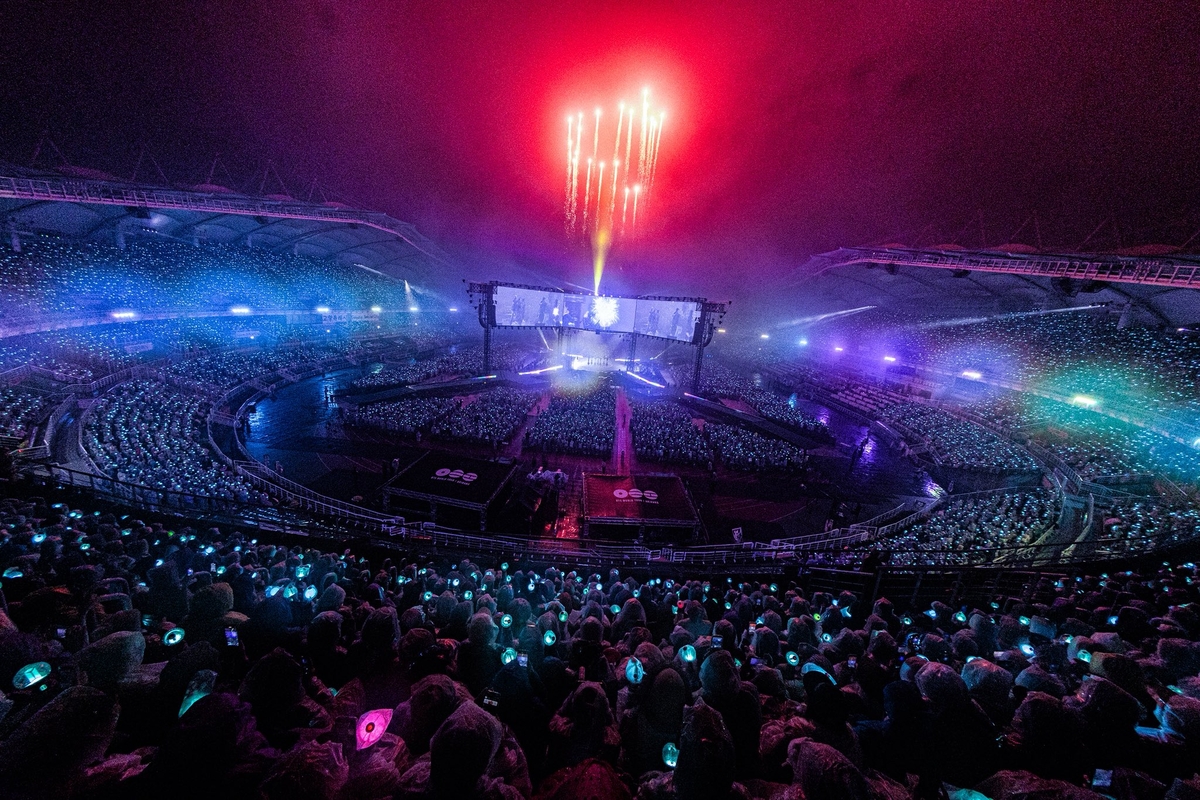

In a shocking incident that has rattled the K-Pop world, a sophisticated theft targeting BTS's concert equipment at Seoul's Jamsil Olympic Stadium has sparked a major police manhunt. Preliminary estimates suggest losses exceeding ₩2 billion (approx. $1.5 million), centering on custom, irreplaceable audio gear. This isn't just a property crime; it's a severe breach of trust and security at the heart of the industry, raising urgent questions about the safety of high-value idol productions and the vulnerability of even the most fortified events.
- What Exactly Was Stolen From BTS's Concert Venue?
- Why Would Someone Target Concert Equipment?
- How Did Security Fail at a Venue of This Scale?
- What Does This Mean for BTS and HYBE's Future Operations?
- Will This Incident Force a K-Pop Security Reckoning?
- What is ARMY's Role and Reaction in All of This?
- FAQ: Your Burning Questions Answered
What Exactly Was Stolen From BTS's Concert Venue?
Based on initial police reports and industry sources close to the investigation, the theft was highly specific and executed with alarming precision. The perpetrators bypassed generic, easily replaceable gear and targeted the technological crown jewels of a live performance.
The Core Haul: Custom In-Ear Monitors (IEMs)
The most significant losses are custom-molded in-ear monitors belonging to BTS members. These are not off-the-shelf products. Each set is acoustically sculpted to an individual member's ear canal for perfect noise isolation and audio clarity, often containing personalized artwork and members' names. "Stealing these is like stealing a singer's vocal cords," remarked a veteran live sound engineer we spoke to under condition of anonymity. "They are useless to anyone else, but priceless to the artist."
High-Value Backline Equipment
The thieves also took specialized wireless microphone systems, guitar pedals configured for specific songs, and proprietary hardware linked to the show's immersive sound design. This suggests insider knowledge of both equipment value and venue logistics.
The Timeline of the Breach
The theft occurred during the critical 36-hour window after the concert's conclusion, when equipment is being dismantled, inventoried, and prepared for transit. This period, while busy, is typically guarded. The breach indicates a well-planned operation that exploited procedural fatigue or a deliberate gap in the security cordon.
Why Would Someone Target Concert Equipment?
On the surface, stealing hyper-personalized gear seems illogical. However, the criminal motivations likely fall into several disturbing categories, each with profound implications.
The Black Market for Idol Memorabilia
The most alarming possibility is a theft commissioned by an obsessed collector or a clandestine memorabilia network. The value of BTS-touched items on the black market is astronomical. A stolen, member-specific IEM could fetch an obscene price from a malicious collector, regardless of its functional utility. This mirrors the intense, sometimes dangerous, physical commodification of idols discussed in our analysis of idol privacy and fan culture.
Industrial Sabotage or Espionage
Could this be an attempt to disrupt HYBE's operations or steal proprietary audio technology? While less likely, the targeted nature raises questions. Touring technology is a competitive advantage. Stealing and reverse-engineering custom setups could provide rivals with insights into the sonic architecture of a world-class production.

An Inside Job or Extortion Plot
The precision points to someone with backstage knowledge—a disgruntled worker, a compromised contractor, or someone who mapped the security detail. The goal could be ransom: holding the irreplaceable equipment hostage from HYBE, knowing the company would pay heavily to avoid disrupting future schedules and member comfort.
How Did Security Fail at a Venue of This Scale?
Jamsil Olympic Stadium is a national landmark, used for events of the highest profile. The failure is multi-layered and exposes systemic vulnerabilities in post-concert protocols.
The "Post-Show Gap" Vulnerability
Security is often tightest during the public event. Once the audience leaves, focus can shift to crowd dispersal and breakdown. Our sources indicate that authentication protocols for removal of equipment may have been lax or forged during this chaotic period. This gap is an industry-wide blind spot.
Over-Reliance on Perimeter Security
Large venues focus on keeping threats out from the outside. This incident suggests the threat was already inside—either personnel or individuals who blended in with legitimate crew. Differentiated access levels and RFID tracking for high-value items, standard in other industries, appear to have been insufficient.
Comparative Analysis: Notable K-Pop Security Breaches
This is not the first security scare, but it is uniquely brazen in scale and target. The table below contextualizes it against recent incidents.
Incident Target Method Outcome BTS Jamsil Equipment Theft (2024) High-value proprietary audio gear Sophisticated inside access during load-out Ongoing manhunt; potential industry-wide policy changes NewJeans Danielle Hacking (2024) Digital privacy & personal content Cyber intrusion into personal accounts Exposed digital vulnerabilities for idols; legal action pursued Various Sasaeng Intrusions Idol personal space (dorms, green rooms) Tailgating, credential forgery Increased physical barriers & private security detailsWhat Does This Mean for BTS and HYBE's Future Operations?
The immediate and long-term repercussions for BTS and their agency are significant, affecting logistics, psychology, and brand sovereignty.
Immediate Logistical and Creative Setbacks
Re-creating custom IEMs takes weeks of audiologist appointments and sound tuning. For members currently in active service or preparing for solo projects, this loss directly impacts their ability to practice and perform at their professional standard. It's a tangible setback reminiscent of the creative disruptions analyzed in our piece on post-concert creative crossroads.
The Psychological Impact on Artists
Beyond monetary value, this is a profound violation of the artists' professional sanctuary. Their in-ears are a direct, intimate conduit to their performance. Knowing they were stolen creates a sense of vulnerability that could extend to future backstage environments.
HYBE's Crisis Management and Legal Posture
HYBE is now forced into a dual role: supporting law enforcement and conducting an internal audit of all security contractors and protocols. Expect sweeping changes to their global tour rider, mandating military-grade equipment tracking and 24/7 armed guard details for gear storage. Their legal team will also be scrutinizing contracts with security firms for liability.
Will This Incident Force a K-Pop Security Reckoning?
The BTS heist is a watershed moment. It moves the threat model from obsessive fans to organized criminal enterprise, demanding a proportional response.
From Reactive to Proactive Security
The industry must adopt intelligence-led security. This includes vetting all third-party crew, implementing geofenced RFID tags on all high-value items (triggering alarms if moved unauthorized), and conducting post-event "lockdown" drills as standard procedure.
The Insurance and Liability Earthquake
Insurers for major tours will now re-evaluate risk models and premiums. This will trickle down, increasing operational costs for all major acts. Agencies will be forced to choose between absorbing these costs or implementing even more stringent—and potentially isolating—security measures.
A New Collaboration with Law Enforcement
We may see the formation of dedicated units within Korean law enforcement focused on entertainment industry crime, similar to art theft squads. This incident proves that idol culture is not just a cultural export but a high-stakes economic sector requiring specialized protection.
What is ARMY's Role and Reaction in All of This?
The ARMY fandom's response has been a mix of fury, fear, and formidable digital mobilization, highlighting their unique position in the ecosystem.
Digital Sleuthing and Information Sharing
Fans are scouring social media and secondary markets for any sign of the stolen goods. While authorities caution against vigilante action, this collective vigilance creates a hostile environment for thieves trying to monetize the loot, effectively expanding the digital dragnet.
Advocating for Systemic Change
Beyond anger, organized fan unions are drafting open letters to HYBE and legislators, demanding transparent updates and reform. They are leveraging their economic power—as the drivers of BTS's commercial success—to advocate for the artists' safety as a non-negotiable priority.
Providing Emotional Support to the Members
The primary focus of the fandom remains the well-being of BTS. Trending hashtags of support and respect for the members' privacy during the investigation underscore a mature understanding that the artists themselves are the true victims of this violation.
FAQ: Your Burning Questions Answered
Have any BTS members commented on the theft?
As of this writing, the members have not made direct public statements, which is standard protocol during an active police investigation. Their silence is likely advised by legal and agency teams. Expressions of concern or support have been channeled through official HYBE statements.
Can the stolen in-ear monitors be used by someone else?
Technically, no. Custom IEMs are molded to fit only the recipient's ear anatomy. Attempting to use them would be physically uncomfortable and acoustically poor. Their value is almost entirely collector-based or symbolic, making them useless for practical audio purposes.
Will this affect BTS's future concert schedules?
It should not affect announced schedules, as replacements can be made, albeit with time and cost. The greater impact is on unseen preparations and the psychological comfort of the members during future load-in and load-out periods at venues worldwide.
How can fans help or avoid causing harm?
Fans should:
- Avoid spreading unverified rumors or speculation that could hinder the police investigation.
- Report any suspicious online listings of purported BTS gear to authorities, not engage with sellers.
- Respect the privacy and space of the members and crew, understanding that security will be intensely heightened.
Is this connected to other recent K-Pop security issues?
While not directly linked, it exists on a continuum of escalating threats against K-Pop idols, from digital hacking to physical intrusion. It highlights an ecosystem under pressure from its own massive scale and value, where security frameworks have failed to evolve at the same pace as fame and revenue. For more on the digital aspect, read our analysis of idol transformations amidst agency crises.
Conclusion and What to Watch For Next
The theft at Jamsil Olympic Stadium is a stark wake-up call. It transcends a simple crime report to become a case study in the vulnerabilities born of hyper-success. For BTS and HYBE, the path forward involves forensic audits, fortified protocols, and navigating the emotional fallout for the artists. For the industry, it's a mandate to overhaul a security paradigm that has remained dangerously stagnant.
The coming weeks will be critical. Watch for HYBE's official policy response, updates from the Seoul Metropolitan Police Agency's investigation, and any shifts in security visible at upcoming major concerts from other top-tier groups. This incident will redefine backstage access, equipment handling, and risk assessment for every arena and stadium show in Korea and beyond.
Stay informed on this developing story and its wider implications for artist safety by bookmarking our News page for continuous coverage. For a deeper understanding of the groups shaping this industry, explore our profiles on our Artists page.