
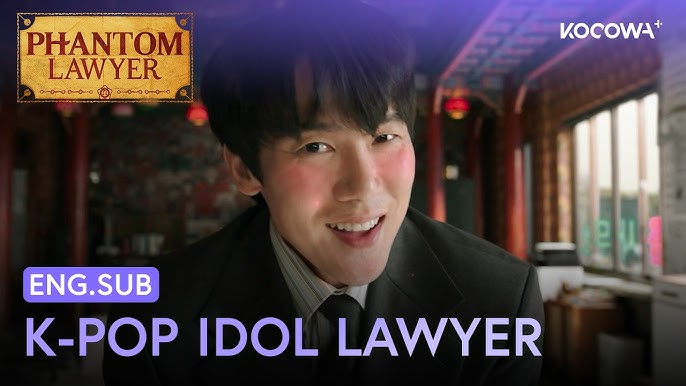

The world of K-Pop is built on a paradox: radiant, flawless personas shining under stadium lights, contrasted against an industry machinery often shrouded in complex shadows. It's a duality fans are acutely aware of, advocating tirelessly for their idols' well-being while consuming the pristine art they produce. Rarely does mainstream Korean television bridge these two worlds with the surgical precision of the hit drama "Phantom Lawyer." As the series crosses its mid-point, episodes 5 and 6 have shifted from supernatural legal procedurals into a stark, compelling commentary on the very ecosystems of fame, pressure, and exploitation that define the entertainment world. At the center of this dissection is Yoo Yeon Seok, whose portrayal of the brilliant, ghost-aided attorney Shin I Rang is hitting a nerve far beyond typical drama viewership, striking a chord with the K-Pop community that feels both seen and vindicated.
This isn't just another legal drama finding an audience. This is a narrative tapping into a cultural conversation that plays out daily on our News page, in fan forums, and through hashtag campaigns. "Phantom Lawyer" has begun to weaponize its supernatural premise to dissect real-world horrors, and in doing so, has created a unexpected but vital dialogue with the music industry that fuels so much of Hallyu's global appeal.
From Surgical Scrub to Legal Robe: Yoo Yeon Seok's Path to Cultural Commentary
To understand the weight Yoo Yeon Seok brings to this role, one must look beyond the immediate character. Yoo is an actor whose career is built on versatility and emotional depth, far removed from the idol-turned-actor path, which lends his performances a distinct gravity. He first captured nationwide attention as the kind-hearted, heart-wrenching resident Dr. Ahn Jeong-won in the phenomenal hit "Hospital Playlist." That role showcased his ability to embody innate goodness and ethical conviction, qualities he now subverts and complexifies as Shin I Rang. His filmography, including the intense "Night in Paradise" and the romantic "Mr. Sunshine," demonstrates a range that makes him the perfect vessel for a character who is both cynically pragmatic and secretly haunted—literally and figuratively.
His casting is a statement in itself. The drama requires a lead who can balance the almost absurdist comedy of communicating with a ghostly sidekick with the profound tragedy of each case. Yoo's grounded performance style prevents the show from tipping into pure farce, instead anchoring its more fantastical elements in tangible human emotion. This background is crucial because the issues "Phantom Lawyer" is now tackling—particularly in the latest episodes—require an actor who can handle them with nuance and seriousness, not as mere plot devices. He is the bridge that makes the show's critique of celebrity culture believable and impactful.
The Four Pillars of Critique: How Episodes 5-6 Mirror Idol Industry Realities
The so-called "irking elements" highlighted in episodes 5 and 6 are not simple narrative frustrations; they are deliberate, uncomfortable reflections of systemic problems. Let's break down how each element parallels the darker undercurrents of the K-Pop world.
The Relentless "Forced Genius" Narrative
The drama delves into the pressure on Shin I Rang to maintain a perfect, unbeatable record, transforming him into a "product" for his law firm. This mirrors the idol "forced genius" or "perfect idol" narrative crafted by agencies. Idols are often marketed as all-rounders—flawless singers, dancers, visuals, and personalities—a construct that leaves no room for human error, fatigue, or personal growth outside the company's mold.
"I'm not a lawyer; I'm a winning streak,"Shin I Rang remarks in a moment of disillusionment, a sentiment that could easily be echoed by an idol trapped in a meticulously managed public image, where chart positions and brand rankings become their sole measure of worth. The episode shows the psychological toll of this, a theme familiar to fans who follow the mental health struggles of artists like DPR IAN, who explores similar themes of identity and pressure in his own cinematic music projects, as we analyzed in DPR IAN - The Show: What Just Landed.
The Exploitation of "Human Capital"
A central case involves the exploitation of a young, vulnerable individual whose talent and labor are siphoned for profit without proper care or compensation. The legal framework in the drama directly correlates with the infamous "slave contracts" and unfair profit distribution schemes that have plagued the K-Pop industry for years. The drama portrays the legal battles over ownership of one's own labor and image—a fight that real-life idols from first-generation groups to modern artists have had to wage. It highlights how systems are designed to protect corporate interests over individual humanity, a reality the Korea Entertainment Management Association and fan unions have long contested.

The Spectacle Over Substance
Episodes 5-6 criticize a justice system more interested in performative wins and media spectacle than in genuine truth or rehabilitation. This translates perfectly to the K-Pop industry's occasional prioritization of viral moments, scandal, and visual spectacle over artistic integrity or an artist's well-being. The drama shows cases being "sold" to the public with a narrative, much like how idol scandals or comebacks are packaged and spun. It questions what is lost when the appearance of justice (or success) becomes more important than justice itself. This resonates with the curated nature of idol life, where reality shows, carefully managed social media, and press releases often obscure a more complex truth.
The Isolation at the Top
As Shin I Rang becomes more successful, the show emphasizes his profound isolation. He is alienated from peers and trapped by his own reputation. This is a hauntingly accurate depiction of the idol experience at the peak of fame. The higher an idol or group climbs on our Charts page, the more they can become isolated in a bubble of managers, schedules, and security, separated from normal life and sometimes even from their own group members due to individual activities. The loneliness of fame is a frequent topic in idol lyrics and interviews, and the drama visualizes this emotional cost with stark clarity.
A Fandom Empowered: The Vocal Community Reaction
The response from the K-Pop community online has been one of intense recognition. On platforms like Twitter, TikTok, and niche fan forums, clips from these episodes are circulating with captions drawing direct lines to specific idol histories.
"They're literally doing a drama about the 7-year contract wars," one fan tweeted, garnering thousands of likes. Another viral post stated,
"Watching Phantom Lawyer explain exploitation of trainees to my mom so she finally gets why I'm always mad at certain companies."The comment sections on drama recaps are filled with anecdotes from fans citing real-life examples, from unfair revenue splits to mental health neglect, that mirror the show's fictional cases.
This has created a unique crossover audience. Legal drama enthusiasts are being educated on the intricacies of K-Pop industry struggles, while K-Pop fans are engaging with a legal drama at unprecedented rates, using it as a cultural reference point to articulate long-held frustrations. It has sparked conversations about the role of fandom power, similar to the ways fans have mobilized to support artists like KHAN in their independent pursuits, as seen in KHAN - Stay In My Lane: What Just Landed. The drama is providing a shared language and narrative framework to discuss these systemic issues.
Industry Ripples: More Than Just a TV Show
The significance of "Phantom Lawyer" tackling these themes cannot be understated. While investigative journalism and documentaries have covered these topics, a primetime network drama reaching millions of households normalizes the conversation. It moves the discourse from the realm of "fan complaints" into the sphere of mainstream social critique. This can have tangible effects, influencing public perception and potentially, over time, applying subtle pressure on agencies to re-evaluate practices, if only for public relations purposes.
Furthermore, it reflects a broader trend in Korean content where the inner workings of the entertainment industry are no longer off-limits. From webtoons to songs, there is a growing meta-commentary. Artists like SORAN explore the anxieties of performance and persona in tracks like "Change: Tonight, I'm Afraid of the First Date," which we covered in SORAN - Change: Tonight, I'm Afraid of the First Date: What Just Landed. "Phantom Lawyer" is part of this ecosystem, using a different medium to ask similar questions: What is the cost of our entertainment? Who pays the price for our fandom?
For actors and idols watching, it may also serve as a form of validation or catharsis. While not all agency relationships are adversarial, the drama gives voice to experiences of pressure and exploitation that are rarely publicly acknowledged by active artists. It underscores the importance of legal literacy and strong representation—lessons that are undoubtedly being noted by young trainees and seasoned artists alike browsing our Artists page.
The Verdict Is Forthcoming: What Lies Ahead for the Narrative and the Industry
As "Phantom Lawyer" moves into its second half, the question is whether it will offer mere critique or propose a vision for change. Will Shin I Rang use his growing power and unique abilities to dismantle the corrupt systems from within, or will he become another cog in the machine? The drama's trajectory suggests a move toward the former, offering a hopeful, if fantastical, vision of justice.
For the K-Pop industry, the drama's impact is more nebulous but equally important. It contributes to a growing atmosphere of scrutiny and accountability. Fans are more informed and organized than ever. Global media pays attention. The drama adds fuel to this fire, ensuring these conversations remain in the cultural zeitgeist. It may inspire future creators, whether in music, film, or television, to continue pulling back the curtain.
Ultimately, "Phantom Lawyer" succeeds because it understands that the most compelling ghosts are not the ones that haunt houses, but the ones that haunt systems—the lingering spirits of exploited talent, broken contracts, and silenced voices. By giving Yoo Yeon Seok's character the power to speak to and for those ghosts, the drama has, perhaps unintentionally, become an unexpected ally for those advocating for a healthier, more equitable K-Pop industry. The cases may be fictional, but the resonance is profoundly, powerfully real. As the final gavel of the series approaches, its legacy will be judged not by ratings alone, but by the conversations it started in living rooms and online forums about the real price of the art we love.